
Understanding Your Why Small Situations Create Big Reactions Emotional Triggers
Understanding Your Emotional Triggers: Have you ever realizes that, sometimes we react more strongly than the situation seems to deserve. Someone speaks in a different tone. A message is not answered. A family member says something ordinary, but it stays in our mind for hours. Someone corrects or ignores us, and suddenly we feel hurt, angry, anxious, rejected, or disturbed.
After some time, we may ask ourselves, “Why did I react so much? It was such a small thing.” That question matters. Human emotions do not respond only to the present.
A situation today can touch something much older inside us. It may connect with fear, shame, rejection, failure, loss, humiliation, or the feeling that we are not valued enough. The event belongs to today, but the meaning may have been growing for years. This is why Understanding Your Emotional Triggers becomes important.
A trigger is not simply something that makes you angry or upset. It is often a moment that touches a sensitive point and creates a fast, strong reaction. So the useful question is not only, “What happened?” We also need to ask, “What did this situation mean to me?”
Two people can hear the same criticism and feel very different things. One may think, “I can improve this.” Another may hear, “I am not good enough.” Silence may feel normal to one person and like rejection to another. The event can be similar while the personal meaning is very different.
Emotional intelligence starts here. It does not ask us to control every feeling. It asks us to become curious about our reactions. When we begin Understanding Your Emotional Triggers, we create a small space between what happens and what we do next. That space can change an argument, a relationship, a decision, and eventually the way we understand ourselves.
What Is an Emotional Trigger?

An emotional trigger is a cue that brings up a strong feeling. It may be a word, tone, facial expression, delay, criticism, silence, comparison, memory, place, smell, social situation, or even a thought. The cue may be small, while the meaning your mind gives it can be much larger.
The American Psychological Association describes emotion as a reaction that involves experience, behaviour, and body changes in response to something personally important. That last part matters. We react not only to an event, but also to what we believe the event means for us. American Psychological Association – Emotions
A trigger is therefore a signal, not a verdict about your personality. It tells you that a situation has touched an important theme. The goal is not to remove every trigger from life. Instead, learn the pattern well enough that you have choices.
Why Small Situations Can Create Big Reactions: Understanding Your Emotional Triggers
Imagine that your partner reads your message but does not reply for two hours. The fact is simple: there is no reply yet. Your mind may quickly add a story: “They are upset with me,” “I am being ignored,” or “I am not important.” The feeling then grows around that story, not only around the missing reply.
Feedback at work can do the same thing. A manager says, “This part needs improvement.” One person hears guidance. Someone else hears humiliation. A third person hears danger and thinks, “I may lose my job.” The words are the same, but each person brings a different history into the room.
The NHS notes that upbringing, life events, relationships, health, and current stress can shape how we respond to difficult situations. This is one reason Understanding Your Emotional Triggers requires more than looking at the event in front of you. We also need to look at the lens through which we are seeing it. NHS – Dealing with life’s challenges
Separate the Event From the Meaning: Understanding Your Emotional Triggers
One of the most useful skills is to separate what happened from what your mind concluded. “My friend cancelled dinner” is an event. “Nobody wants to spend time with me” is a meaning. “My spouse is quiet” is an event. “Our relationship is failing” is a meaning.
The meaning may sometimes be correct. Still, the first thought is not always the final truth. Before reacting, ask: “What do I know for sure, and what am I assuming?” This simple check can stop a feeling from becoming a false certainty.
Common Emotional Triggers in Daily Life: Understanding Your Emotional Triggers
Criticism can touch fear of failure. Being left out can touch rejection. A raised voice may bring back memories of conflict. Delayed replies can stir fear of abandonment. Comparison can bring shame. A sudden change in plan may bring anxiety. Feeling misunderstood can quickly become anger.
Some people react strongly when they are told what to do because control has a deep meaning for them. Others become tense when someone is disappointed. Public correction, being interrupted, money questions, or comparison with a sibling may also carry extra weight.
Instead of asking, “Why am I like this?” ask, “What theme keeps appearing under my reactions?” That question moves us away from self-attack and toward self-knowledge.
NEUROSCIENCE PRESPECTIVE: What Happens When You Feel Triggered?
| Why this matters: A strong emotional cue can change attention, body arousal, and the urge to act before we have fully interpreted the situation. |
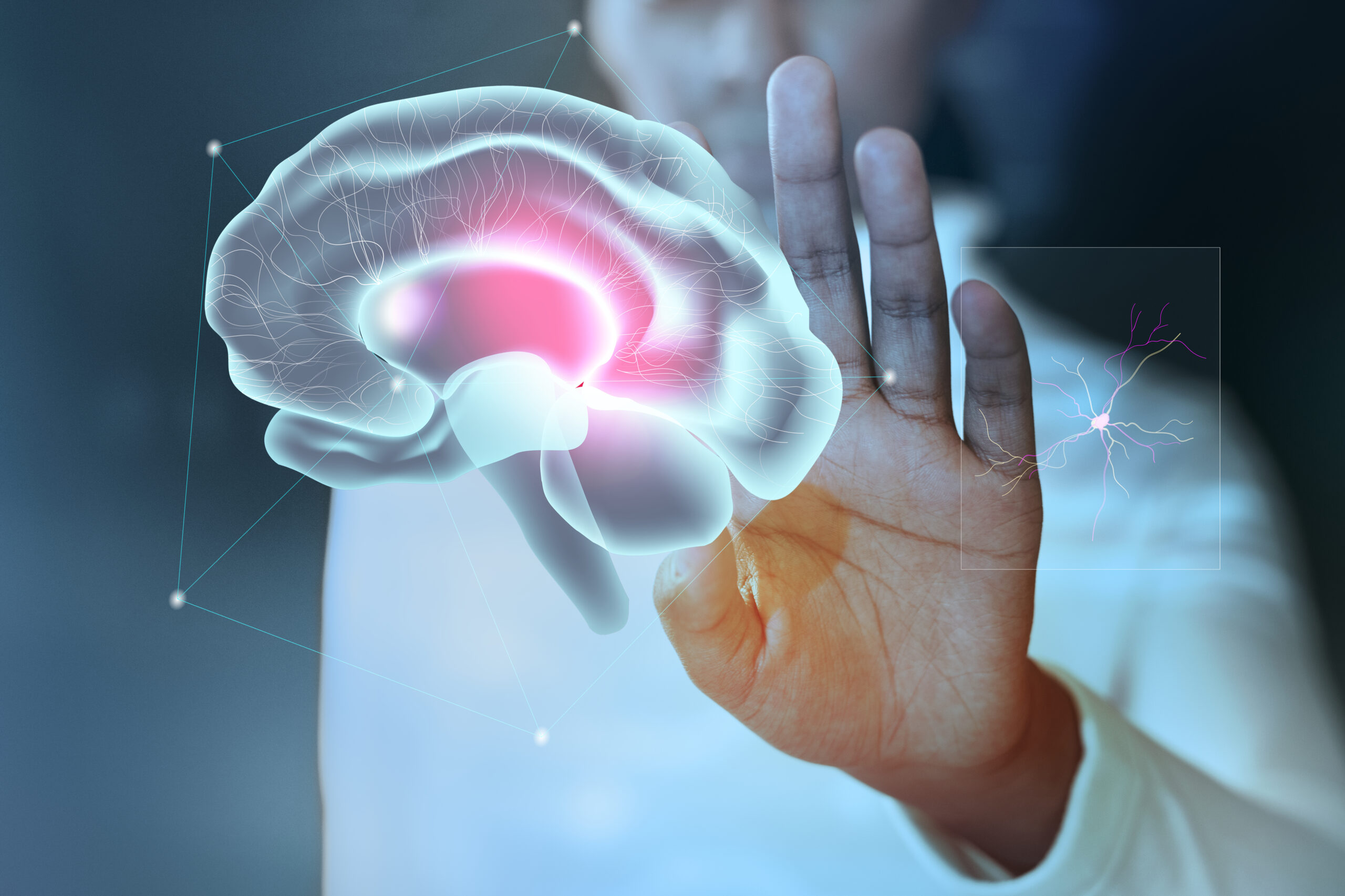
When something feels important or threatening, the brain can react before we have fully thought it through. The amygdala helps notice signals that may matter for safety. It does not work alone. Many brain areas and body systems take part. Heart rate may change, muscles may tighten, attention may narrow, and the urge to act can rise quickly.
The prefrontal cortex helps with attention, working memory, planning, and deliberate control. Research shows that prefrontal areas interact with the amygdala during emotion regulation. A 2021 meta-analysis found consistent prefrontal-amygdala links during regulation, especially when people changed the way they thought about a situation, a strategy called reappraisal. PubMed – Amygdala-prefrontal connectivity meta-analysis
We should not reduce every strong feeling to an “amygdala hijack.” Human emotion is more complex than one brain region. The practical lesson is simpler: strong emotion can narrow attention and create urgency. A pause, a slower breath, naming the feeling, checking facts, or looking at the situation from another angle can give the brain more time to regulate.
Stress can lower our tolerance further. The World Health Organization explains that stress affects both mind and body. When the system is already carrying a heavy load, a small trigger may feel much bigger because the person was already close to the edge before the event happened. World Health Organization – Stress
Old Experiences Can Enter Present Reactions: Understanding Your Emotional Triggers
Not every trigger comes from childhood, and we should not force every reaction into a childhood story. Even so, earlier experiences can shape what we expect from people and what we learn to treat as danger.
Repeated ridicule may make public correction feel painful. Unpredictable affection may make distance feel threatening. A home filled with conflict can make a raised voice feel unsafe. If love or approval depended heavily on achievement, an ordinary mistake may feel much larger than it is.
The point is not to blame the past. It is to notice when an old rule is still running in a new situation. Understanding Your Emotional Triggers helps us ask, “Is this only about today, or has today touched something older?”
Your Body Often Warns You First: Understanding Your Emotional Triggers
Many people notice a trigger in the body before they can explain it in words. The jaw tightens. Heat rises in the face. The stomach feels uneasy. Breathing changes. The voice gets louder. You may want to leave, argue, explain, defend, cry, check, or seek reassurance.
These early signs are useful. NHS guidance on stress encourages people to notice changes in thoughts, feelings, behaviour, and physical sensations. Do not wait until the reaction reaches ten out of ten. Learn what your three or four out of ten looks like. NHS Every Mind Matters – Stress
Your warning sign might be faster speech, repeated phone checking, pacing, silence, sarcasm, or a strong need to prove your point. Once you can spot the early sign, you have more time to choose what comes next.
Understanding Your Emotional Triggers Without Judging Yourself
Self-awareness becomes difficult when every discovery turns into criticism. If being ignored affects you, do not jump to “I am needy.” When feedback hurts, avoid calling yourself weak. Labels close the door. Curiosity keeps it open.
Observe the trigger as information. Start with what happened, then notice what you felt. Ask which thought came first and what you feared the event meant. Notice the urge that followed. Finally, consider what you actually needed in that moment. These questions help you build a clearer map of yourself.
Over time, patterns become visible. Many different events may connect to the same theme: rejection, disrespect, failure, loss of control, being misunderstood, not being enough, or fear of letting others down. Once the theme is clear, the work becomes more focused.
A Simple Five-Step Trigger Check
When you notice a strong reaction, try five steps. First, pause before acting. Even thirty seconds can help. Next, name the feeling as clearly as possible: hurt, angry, ashamed, afraid, jealous, lonely, disappointed, or overwhelmed. Then identify the fact. What actually happened?
After that, identify the story your mind added. Ask, “What am I telling myself this means?” Finally, choose the next useful action. You may need to ask a question, set a boundary, take space, calm your body, gather more facts, or simply let the feeling pass.
This is not suppression. APA descriptions of emotion regulation include conscious monitoring and changing how we view a situation so that we can manage feelings more effectively. The aim is not to deny emotion. It is to stop the first impulse from making every decision. APA Dictionary of Psychology – Emotion Regulation
When the Trigger Points to a Real Problem
Emotional intelligence does not mean explaining away every uncomfortable feeling. Sometimes another person really is disrespectful. A boundary may be crossed. Some relationships may be unsafe. Workplaces can also be unfair. Your reaction may be pointing toward something that needs action.
The skill is to respond in proportion to the problem. If the concern is real, calmness can help you protect yourself better. You can state what happened, explain what you need, set a limit, document facts, or seek support. Strong feelings can give energy, while clear thinking gives that energy direction.
For this reason, Understanding Your Emotional Triggers should never become a way to blame yourself for another person’s harmful behaviour. Self-awareness and boundaries need to work together.
When Fear Is Bigger Than the Facts
Sometimes the event is uncertain and the mind fills the gap. A delayed reply can become rejection. One serious face can look like anger. A small mistake may feel like failure. Even one disagreement can become, “This relationship will never work.” The trigger may be real, while the conclusion goes beyond the facts.
Try saying, “I know what I feel, but I do not yet know what this means.” This sentence respects the feeling without turning it into a verdict. From there, you can wait, ask, observe, or gather more information.
Stress, Sleep, and Emotional Load Matter
Triggers do not act alone. A comment that you handle calmly after good sleep may feel unbearable after work pressure, family conflict, money worries, illness, or weeks of strain.
The NHS explains that stress can make us irritable, anxious, overwhelmed, or unable to concentrate. Regulation also needs mental energy. When that energy is already low, the space between feeling and reacting can become smaller. NHS Every Mind Matters – Stress
If your reactivity has suddenly increased, do not examine only your personality. Review sleep, workload, health, unresolved conflict, substance use, food, screen time, and recovery. Sometimes the trigger is not stronger. You are simply more tired.
From Triggered Reaction to Intelligent Response
The aim of emotional intelligence is not to become emotionless. A healthy person still feels anger, hurt, fear, jealousy, disappointment, and sadness. What changes is our relationship with the feeling: emotion becomes information rather than an order.
One triggered reaction says, “I feel it, so I must act now.” A wiser response says, “I feel it. Let me understand it. Then I will decide what needs action.” That shift protects relationships and also protects your self-respect.
With practice, Understanding Your Emotional Triggers helps you notice the pattern sooner. You may recognise the tone that activates you, the situations that make you seek reassurance, the moments when shame turns into anger, or the times when fear makes you control other people. Awareness gives you more choices.
Today’s Reflection from the Therapy Room
Think about one recent moment when your reaction felt bigger than the situation. Do not judge it. Write what happened, what you felt, what you thought it meant, and what you feared might happen next.
Now ask, “If I remove my first story, what facts remain?” Follow with, “What older fear or need might this situation have touched?” You may not get a full answer today. That is fine. Emotional intelligence grows through repeated observation.
The goal is not to doubt every emotion. It is to know yourself well enough that your feelings can speak without becoming the only voice in the room.
When Should You Seek Professional Support?
Consider professional support when triggers repeatedly harm relationships, cause panic, lead to intense anger, produce severe avoidance, or keep you trapped in checking, reassurance, rumination, or conflict. Support can also help when you understand the pattern in theory but still cannot change it in daily life.
A psychologist or therapist can help you identify patterns, explore the meaning behind them, learn regulation skills, test your first conclusions, build healthy boundaries, and practise new responses. Therapy does not tell you that your feelings are wrong. It helps you understand them and choose what to do with them.
How a Therapist Can Help You
A therapist can help you slow down the chain between trigger, thought, feeling, body response, and action. Together, you can separate present facts from older meanings and practise better ways to regulate, communicate, and set boundaries. Over time, the goal is not to stop feeling. It is to respond with more freedom and less automatic reactivity.
Welcome to Live Again
Welcome to Live Again. Live Again India Mental Wellness is supporting you – you are not alone. Your emotional reactions have a story, and that story can be understood without shame. Understanding Your Emotional Triggers is one way to pause, notice what has been touched inside you, and respond with greater awareness. Your life is precious, and every step toward understanding yourself can become a step toward more emotional freedom.
L@A
By Inderjeet Singh | Live Again India Mental Wellness
Editorial note: This article is educational and does not replace individual medical, psychiatric or psychological assessment. Persistent or concerning physical or mental-health symptoms should be evaluated by an appropriate qualified professional.