

Signs of Emotional Exhaustion
You may be sleeping, working and meeting your responsibilities, yet still feel mentally heavy. Emotional exhaustion can build quietly when the mind keeps carrying stress without enough recovery. Learn how to recognise the signs, understand what may be happening, and begin recovering without judging yourself.

When You Need Certainty
Sometimes the hardest part of a difficult situation is not what has happened—it is not knowing what will happen next. When the mind keeps searching for guarantees, uncertainty can turn into overthinking, repeated checking, reassurance-seeking and emotional exhaustion. This article explores how we can find clarity, remain emotionally steady, and continue living even when every answer has not yet arrived.

Understanding Pain and Suffering
Understanding Pain and Suffering explores how physical pain, emotional pain, and suffering differ yet remain deeply connected. It examines how bodily hurt, grief, rejection, loss, identity, relationships, dignity, meaning, and hope shape the whole human experience.

Emotional Numbness In Men
Some men do not collapse emotionally; they slowly disconnect. They continue working, speaking, earning, and fulfilling responsibilities while feeling blank, distant, joyless, or unable to emotionally respond. This article explains emotional numbness in men, why it may develop, how it can affect relationships and mental health, and when professional support may be needed.

Men’s Mental Health India
Men’s Mental Health India explores why many men silently struggle with depression, anxiety, anger, alcohol use, work pressure, relationship stress, and emotional shutdown. This article explains how social conditioning, shame, masculine expectations, and delayed help-seeking affect men’s emotional wellbeing. It also explains how therapy can help men speak, heal, regulate emotions, and rebuild a healthier life.

Digital Loneliness Mental Health
Digital Loneliness Mental Health: Here is something many people feel but rarely say out loud: you can be endlessly connected and still feel completely alone. You can have a hundred conversations in a day, a full inbox, a busy group chat, and still carry a quiet emptiness that the screen never seems to fill. If that sounds familiar, you are not imagining it. And you are far from alone in feeling it.

Comparison And Self Worth
Comparison And Self Worth explains why someone else’s success can feel personal, painful, or threatening when inner self-value is already fragile. This article explores how comparison creates anxiety, jealousy, inferiority, emotional pressure, and the feeling of being left behind. It also explains how therapy can help people rebuild self-worth, reduce comparison, and grow at their own pace.
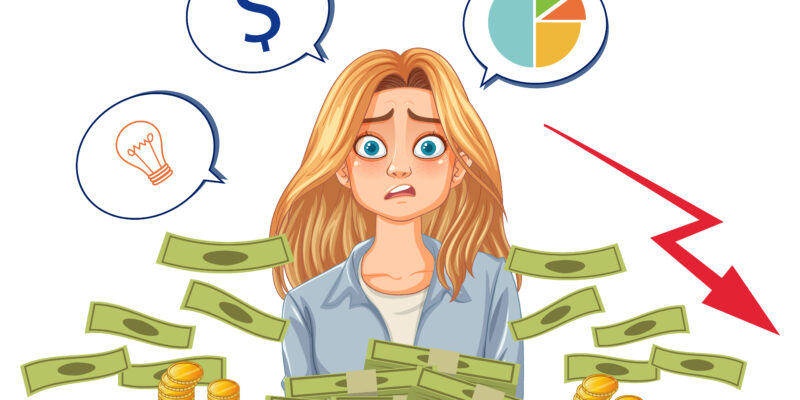
Money Stress Mental Health
Money stress mental health means understanding how financial fear affects anxiety, sleep, mood, relationships, self-worth, decision-making, and daily peace. Money problems are not only practical concerns. They can become emotional pressure inside the body and mind. Healing begins when fear becomes clearer, planning becomes calmer, and support becomes available.

Growing Even If Slow | Healing, Hope, and Quiet Progress
Growth is not always loud, fast, or easy to notice. Sometimes it lives quietly inside better choices, calmer responses, and the strength to continue. Even when healing feels slow, something meaningful may still be changing within you. Slow progress is still progress, and gentle healing is still real healing.

Emotional Safety Healing Support
This article explores why emotional safety is essential for mental and emotional healing. It explains how feeling safe, heard, and respected helps people open up, process pain, regulate emotions, and build healthier relationships. The piece also highlights how the absence of emotional safety can worsen anxiety, shame, exhaustion, and disconnection. Overall, it offers a simple, compassionate, and clinically grounded understanding of why healing begins with feeling safe enough to be real.
L@A