

Toxic Communication In Families
Toxic communication within families can quietly damage emotional safety, self-worth, and trust. Shouting, taunting, blaming, silence, and comparison may seem normal in many homes, but they often leave deep emotional wounds. Healthier communication begins when families replace harsh reactions with respect, listening, and emotional awareness.

Scarcity Mindset in Relationships
Scarcity mindset in relationships means feeling that love, attention, emotional safety, reassurance, or commitment may not be enough or may disappear at any time. This fear can create insecurity, comparison, overthinking, reassurance seeking, jealousy, and emotional anxiety. Healing begins when love becomes safer inside the mind, not only more available outside.

Emotional Respect in Relationships
Emotional respect in relationships means handling each other’s feelings with dignity, even during disagreement. It does not mean agreeing with everything or accepting unhealthy behaviour. It means listening without insult, setting boundaries without cruelty, and protecting emotional safety while speaking honestly.

Love and Emotional Dependency
Love and emotional dependency may look similar from outside, but they feel very different inside a relationship. Healthy love gives emotional safety, respect, and space. Emotional dependency creates fear, pressure, repeated reassurance-seeking, and imbalance.
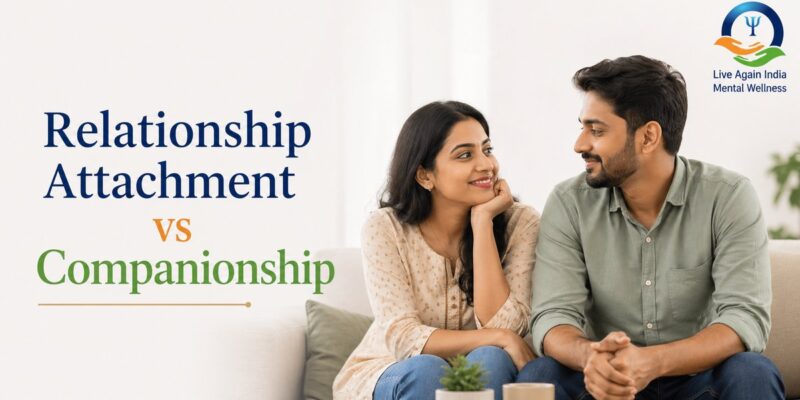
Relationship Attachment and Companionship
Relationship attachment and companionship are not always the same. A person may need someone, fear losing them, or feel emotionally dependent, yet still struggle to be truly present, respectful, and emotionally available. This article explains the difference between attachment and companionship in relationships, marriage, and family life.

Positive Memories Heal Relationships
Positive memories heal relationships when people begin creating small moments of safety, warmth, and trust again. This article explains why emotional repair does not happen only through problem-solving, but also through shared experiences that help the heart feel less guarded. Healing often returns quietly, through repeated moments that feel real, kind, and emotionally safe.

Narcissistic Traits Emotional Safety
Repeated narcissistic traits can slowly make love feel emotionally unsafe, even when the relationship still looks normal from the outside. This article explains how fear, overthinking, emotional invalidation, and loss of self-trust begin to affect a person’s inner world. It also shows how emotional unsafety damages mental health, weakens self-worth, and makes ordinary love feel confusing and heavy. With awareness, boundaries, and the right support, emotional clarity and safer love can slowly return.

Green Flag in Relationship | Healthy Love, Safety, and Trust
A green flag in relationship is not perfection. It is a repeated healthy pattern that brings trust, respect, and emotional safety.
Healthy love leaves you more settled than confused, more supported than drained, and more like yourself, not less.
When communication is clearer, repair is possible, and values match behavior, love becomes easier to trust.
Calm, respectful, emotionally safe connection is not boring — it is deeply valuable.

Red Flag in Relationship | Warning Signs and Self-Protection
A relationship is not unhealthy because it is imperfect. It becomes concerning when painful patterns keep repeating without real repair.
A red flag in relationship is not about fear of love — it is about emotional clarity and self-protection.
If a bond keeps making you feel more confused than connected, your mind and heart are already receiving important information.
Noticing a warning sign early is not negativity. It is emotional wisdom.

Emotional Safety Matters More | Love, Trust, and Stability
Chemistry may bring two people together, but emotional safety helps love stay healthy. A relationship should not only feel exciting – it should also feel respectful, calm, and trustworthy. When emotional safety is present, people can speak honestly, repair hurt, and grow together. Peace is not less than passion. Often, peace is what makes love livable.
L@A