Emotional Triggers And Reactions
Emotional Triggers And Reactions: Have you ever felt deeply hurt by a sentence that seemed common to someone else? Perhaps a delayed reply made you feel unimportant. Maybe a small correction felt like public shame. Or someone’s silence made you fear rejection.
Within seconds, your chest may tighten. Your thoughts may become louder. Then, your reply may become stronger than the event seems to require. Later, you may ask, “Why did I react like that?”
The answer is not always that you are too sensitive or difficult. Sometimes, the present moment touches an older fear, memory, belief or unmet need. In other words, you react not only to the words in front of you, but also to what those words mean to you.
Understanding Emotional Triggers And Reactions is important because a trigger can quickly change how we think, feel, speak and behave. So, we may become angry, anxious, silent, defensive or caught in overthinking. Yet, when we notice the pattern early, we gain more choice.
Understanding Emotional Triggers And Reactions
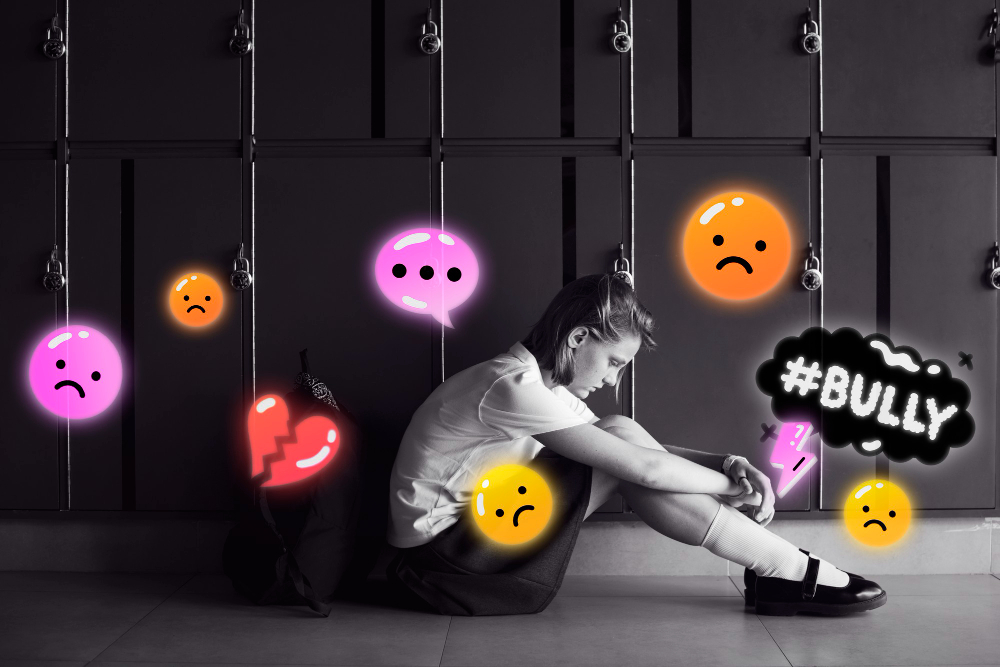
An emotional trigger is an event, comment, memory, tone, behaviour, place or body sign that starts a strong response. The trigger may be linked with the present, the past or both.
Yet, the event is only one part of what happens. The mind also adds meaning. For example, a colleague may say, “Please revise this.” One person may hear normal feedback, while another may hear, “You are not good enough.”
Likewise, a partner may ask, “Where were you?” One person may feel concern. Another may feel controlled. So, the same sentence can create very different feelings in different people.
This does not mean that every response is unfair. Sometimes, an event is truly unsafe, rude or painful. Even so, it helps to ask whether the strength of the response fits the present event or also carries the weight of the past.
Sometimes, we are not reacting only to what happened today. We are also reacting to what the moment reminds us of.
Emotional Triggers And Reactions in the nervous system
Strong responses often begin in the nervous system (body) before we can explain them. For example, the heart may beat faster, breathing may become quick and muscles may tighten. The face may feel hot, while the stomach may feel uneasy.
Still, some people feel restless, frozen or unable to think clearly. Others may clench their fists, raise their voice or feel an urge to leave. These signs are not small. Instead, they are early warnings.
The NHS guidance on anger describes body signs such as a faster heartbeat, tense muscles, clenched fists, chest tightness and feeling hot. It also lists feelings such as irritation, shame and resentment.
So, body awareness can help you act sooner. You may step back, breathe slowly, drink water or delay a message. You may also use the PAUSE Method Emotional Regulation approach before the response becomes harmful.
Why Small Moments Can Feel So Powerful
A trigger may look small from the outside because other people cannot see the meaning attached to it. Yet the response may connect with years of criticism, neglect, rejection, betrayal, bullying, grief, control or feeling unseen.
For example, a person who often felt ignored while growing up may find a partner’s silence very painful. Similarly, someone who has faced betrayal may fear danger after an unclear message. A person who was often criticised may also read respectful feedback as a threat.
The U.S. Department of Veterans Affairs National Center for PTSD explains that people, places, sounds or smells can remind someone of a traumatic event and activate strong responses.
Yet, not every strong response is a trauma response. This example only shows how a cue in the present can awaken a past event. A proper assessment is needed when responses are very strong, happen often or are linked with trauma symptoms.
Emotional Triggers And Reactions: Fact, Meaning, Feeling and Response
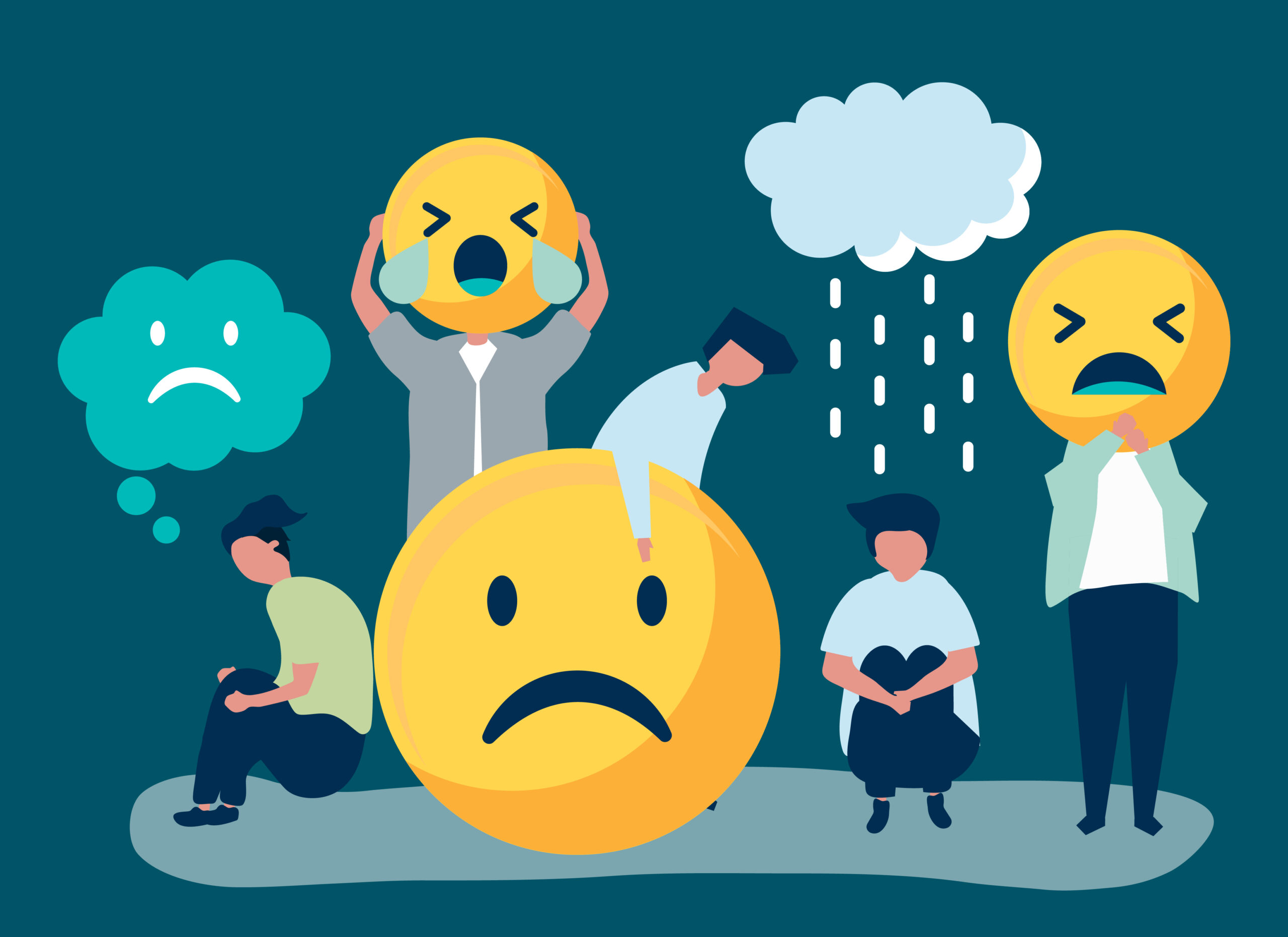
A simple way to see a trigger is to separate four parts. First, spot the fact. Next, notice the meaning you gave it. Then, name the feeling. Finally, review what you did.
Fact: What actually happened?
Meaning: What did I tell myself it meant?
Feeling: What did I feel?
Response: What did I do next?
For example, your friend cancels a plan. You think, “I am not important to them.” So, you feel hurt and rejected. Then, you stop replying and decide that the friendship is over.
The hurt may be real. Yet, the meaning may still need checking. Perhaps your friend was unwell, overwhelmed or facing an emergency. So, asking before concluding can protect both accuracy and the bond.
Readers who struggle with the same assumptions and mental replay may also find How To Stop Overthinking useful.
Emotional Triggers And Reactions in Close Relationships
Close bonds often create strong responses because they involve trust, hope, attachment and deep care. Common triggers include delayed replies, a changed tone, criticism, distance, jealousy, broken promises or exclusion.
One partner may demand answers. The other may become silent. Meanwhile, a third person may use sarcasm or anger. Although these responses may aim to regain control, they often create more distance.
When both people are triggered, the first issue can disappear. Instead, the talk shifts to tone, blame, past mistakes or who suffered more. So, a small concern becomes a larger injury.
Healthy talk begins when each person names the feeling under the response. For example, “I felt unimportant when I was not informed” is clearer than “You never care about me.”
Also, a brief pause can protect the conversation. It allows both people to calm down, check facts and return with a clearer purpose.
Emotional Triggers And Reactions in Families
Family triggers often grow through fixed roles. One child may be seen as responsible, a second as difficult and a third as the peacemaker. Later, these labels may continue into adult life.
For example, a parent’s advice may feel like control. A child’s disagreement may feel like disrespect. A sibling’s success may awaken comparison or an old sense of unfairness.
So, the current talk may carry years of stored hurt. Yet families can reduce this pattern. They can discuss one issue at a time, avoid words such as “always” and “never,” and stop bringing every old mistake into the present argument.
Readers who deal with years of criticism, blame or rising conflict may also find Toxic Communication In Families relevant.
Emotional Triggers And Reactions at Work
Workplace triggers may include criticism, public correction, unclear authority, exclusion, a difficult email or a clash with a senior colleague. Also, fatigue and poor sleep can make responses stronger.
A person may hear feedback about one task and read it as rejection of their whole ability. But, feedback about work is not always a judgment of personal worth. So, it helps to slow down before replying.
Before you respond, ask:
- What exactly was said?
- Was the feedback about my work or my worth?
- Do I need more detail or an example?
- Am I reacting to the present issue or an older fear of failure?
- Would I respond differently after rest?
A brief pause can prevent an impulsive email, a public argument or a decision that later feels needless. Also, a calm request for clear feedback can turn a tense moment into a chance to learn.
Common Emotional Triggers
Triggers differ from person to person. Yet, several themes appear often:
- criticism or correction
- feeling ignored
- rejection or abandonment
- loss of control
- being compared with others
- feeling misunderstood
- a disrespectful tone
- sudden change
- not knowing
- betrayal
- feeling excluded
- public embarrassment
- unmet expectations
- reminders of past conflict
- physical exhaustion or hunger
A trigger list is a map for self-awareness. It is not a demand that other people remove every hard moment. Respect matters. Still, each person must also learn to stay calm.
Internal and External Triggers: Emotional Triggers And Reactions
External triggers come from the world around us. For example, they may include a person, message, place, sound, date, smell, facial expression or event.
Internal triggers come from within. These may include memories, body signs, loneliness, shame, fatigue, hunger, pain or a sudden thought.
For example, a racing heartbeat may trigger fear in someone with health anxiety. Likewise, a memory of betrayal may create suspicion before anything new has happened. Poor sleep may also make a normal disagreement feel too hard.
So, a full trigger map should include both internal and external cues. This wider view makes the pattern easier to see.
How to Map Emotional Triggers And Reactions
A trigger diary can help you find patterns. Keep the record brief so that you can use it often. Use five short steps:
- Describe the event.
- Write the meaning you gave it.
- Name the body signs and feelings.
- Record what you did.
- Choose one step for next time.
| Trigger | Meaning | Feeling | Response | Healthier Step |
| Partner replied late | “I do not matter” | Hurt | Repeated calls | Ask what happened |
| Manager corrected work | “I am not capable” | Shame | Defensiveness | Ask for clear feedback |
| Parent questioned a decision | “They do not trust me” | Anger | Raised voice | Explain calmly |
| Friend cancelled | “I am being rejected” | Sadness | Withdrawal | Ask and reschedule |
At first, you may notice the pattern only after an argument. Yet, regular practice can help you notice it during the event. Later, you may catch it before you act.
The purpose is not to judge yourself. Instead, the diary helps you see the sequence early enough to change it.
Emotional Triggers And Reactions: What Helps in the Moment
When the feeling rises, slow down. First, stop speaking or typing for a moment. Next, notice your body and name the feeling. Then, check the facts and decide what outcome matters.
The World Health Organization’s Doing What Matters in Times of Stress guide shares simple skills for coping with stress and hard times. It also says that a few minutes of daily practice can help.
Also, the NHS advises people to notice anger early, take time to think, count to ten, breathe slowly and speak with someone who is not part of the conflict.
Useful statements include:
- “I need a few minutes before I respond.”
- “I am feeling hurt, and I want to understand this clearly.”
- “Please explain what you meant.”
- “I disagree, but I do not want to speak harshly.”
- “Let us return to this when we are calmer.”
These sentences do not avoid the issue. Instead, they make the discussion safer and more useful.
What Usually Makes Responses Worse
Several things can reduce self-control. These include poor sleep, hunger, alcohol or drug use, ongoing stress, conflict, pain, online arguments, isolation and untreated anxiety or depression.
The NHS notes that stress, family learning, frightening past events and substances can affect how a person reacts to anger.
So, self-control does not depend on willpower alone. Sleep, routine, health, close ties and substance use also matter. Also, a steady daily routine can lower the pressure that builds around small events.
Readers who notice lasting fear, panic or body tension may benefit from Anxiety Symptoms And Treatment.
Those who have low mood, numbness or hopelessness may find Depression Symptoms And Treatment relevant.
Emotional Triggers Are Not an Excuse for Harm
A trigger can explain a response, but it does not excuse abuse, threats, violence, stalking, damage or controlling behaviour. Feelings deserve care. Yet, the person must still own the harmful act and change it.
A person may feel angry, rejected or frightened. Even so, they must not hit, threaten or frighten someone else. Likewise, they must not use hurt to justify ongoing harm.
If you feel an urge to hit, threaten, break objects, drive dangerously or harm yourself, stop the interaction. Move away, seek support and reduce access to dangerous objects where possible. Above all, do not manage a high-risk state alone.
When Expert Help May Be Needed
Expert help may be useful when responses happen often, feel very strong or are hard to control. It may also help when they harm close ties, work, sleep or health.
Therapy may help most when triggers are linked with trauma, panic, fear of being left, anger that keeps coming back, self-harm, substance use, unstable bonds or lasting overthinking.
A trained expert can help tell apart strong feelings, anxiety, trauma responses, mood signs, long-term behaviour patterns and stress in close ties. In India, the Rehabilitation Council of India maintains the Central Rehabilitation Register for recognised rehabilitation professionals.
So, seek an assessment when the pattern is severe, long-lasting or unsafe. Labels from social media may not explain the full picture.
Emotional Triggers And Reactions: Urgent Support
Seek urgent help when responses include suicidal thoughts, self-harm, serious threats, violence, severe confusion, signs of psychosis or being unable to remain safe.
In India, Tele-MANAS provides 24-hour tele-mental-health support through 14416 or 1800-89-14416. For an immediate safety emergency, contact 112 or go to the nearest hospital. Also, do not leave a person at immediate risk alone while help is being arranged.
You may also contact Tulasi Healthcare for mental-health and rehabilitation support and Live Again India Mental Wellness.
Frequently Asked Questions
Is every strong response a trauma response?
No. Strong responses may come from stress, temperament, past learning, anxiety, bond patterns, fatigue or trauma. Yet, an assessment can help when the pattern is very strong or lasting.
Can a trigger be positive?
Yes. A song, smell, place or memory can also bring comfort, hope, love or motivation. Although the word trigger is often used for distress, cues can create positive feelings too.
Should other people avoid all my triggers?
People should speak with respect and avoid known harmful behaviour. Yet, no bond can remove every hard moment. Trigger awareness should support boundaries and self-control, not total control of others.
Can triggers change over time?
Yes. Triggers may become weaker through safety, therapy, new safe events, changed beliefs and healthy responses used again and again. Still, new triggers may develop during major stress or loss.
What should I do after an impulsive response?
First, calm yourself and stop further harm. Next, own what you did and repair what you can. Then, apologise where needed and review the trigger. One mistake does not erase progress. Yet, ongoing harm needs serious action.
Understanding: Emotional Triggers And Reactions
Understanding your triggers and responses shows that behaviour does not begin only at the moment of anger, silence or panic. A sequence develops first. An event creates meaning. That meaning creates a feeling. Then, the feeling creates an urge.
When we notice the sequence earlier, we create more choice. For example, we can ask before assuming, pause before reacting and express pain without causing needless harm.
The goal is not to stop feeling. Instead, the goal is to know your feelings well enough that they guide you without controlling you.
Reflection From the Therapy Room
People often enter therapy and say, “I know my response was too much, but in that moment it felt completely right.” This is an important point. Strong feelings can make one meaning feel like the only truth.
Therapy slows the sequence down. First, the person notices the body. Next, they spot the belief and the older hurt. Then, they examine the facts of the present event.
Over time, the trigger may still be felt. Yet, the response can become less automatic and more planned. So, the person can protect both self-respect and close bonds.
How a Therapist Can Help You
A therapist can help you spot the beliefs, past events and bond patterns behind your strongest triggers. Also, therapy can support self-control, trauma-aware care, anger management, clear talk and healthier boundaries. It can help you separate present facts from older fears and practise safer responses. With steady work, triggers can become clues to learn from rather than orders for impulsive action.
Welcome to Live Again
Welcome to Live Again. Your feelings are meaningful, even when they feel overwhelming. Live Again India Mental Wellness is supporting you with expert care, dignity and compassion – you are not alone. Understanding your triggers is not about blaming yourself for feeling. Instead, it is about creating more choice, safer bonds and a calmer path forward.