

Digital Loneliness Mental Health
Digital Loneliness Mental Health: Here is something many people feel but rarely say out loud: you can be endlessly connected and still feel completely alone. You can have a hundred conversations in a day, a full inbox, a busy group chat, and still carry a quiet emptiness that the screen never seems to fill. If that sounds familiar, you are not imagining it. And you are far from alone in feeling it.
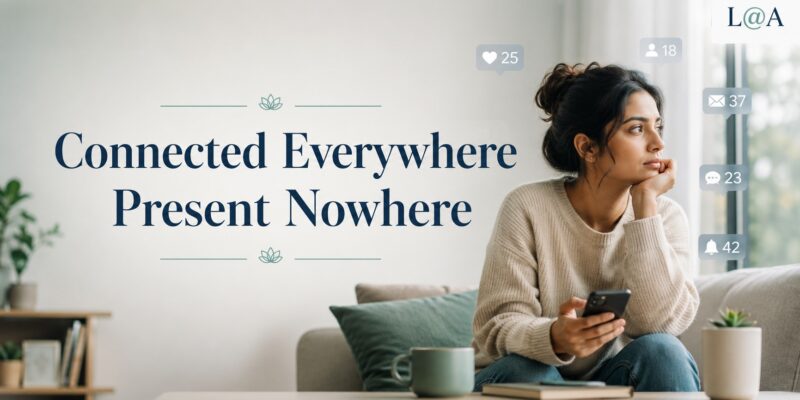
Connected Everywhere Present Nowhere
Connected Everywhere Present Nowhere explores why people can remain constantly available through phones, messages, apps, and social media, yet feel increasingly absent from real life. This article examines how digital overload, endless notifications, multitasking, social media scrolling, and fear of missing out can weaken emotional presence, attention, and human connection. It also discusses how therapy can help individuals rebuild mindful awareness, healthier digital boundaries, and deeper relationships.
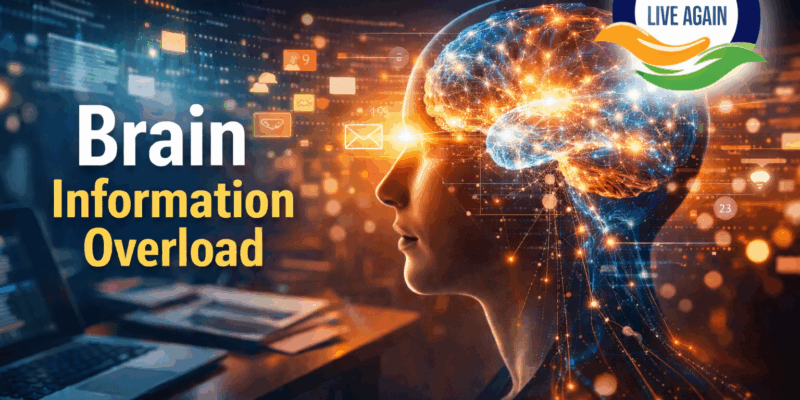
Brain Information Overload
The brain can process a lot, but it is not designed for nonstop input without rest.
Too much information can crowd attention, increase stress, and disturb emotional balance.
This article explores how overload affects mental clarity, the nervous system, and everyday mental health.
Sometimes the mind does not need more input – it needs more space to recover.
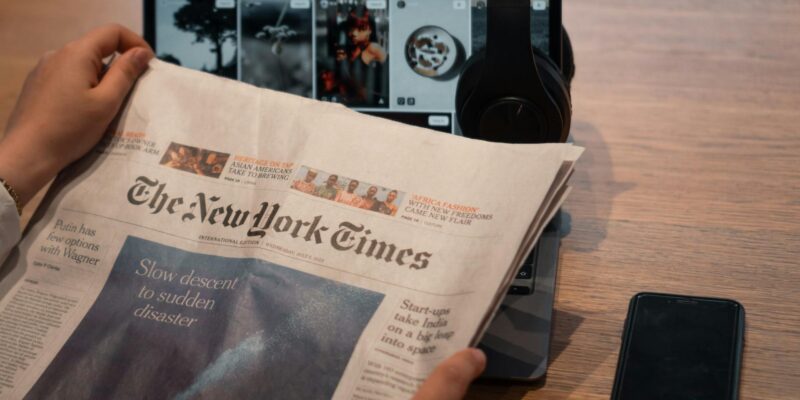
Information Consumption Mental Health
In today’s world, information is constant, but inner peace is not.
From newspapers to endless feeds, the way we consume information has changed our mental space deeply.
This article explores how overload, scrolling, and algorithmic exposure can affect anxiety, attention, and emotional balance.
Sometimes better mental health begins not with more information, but with a healthier way of receiving it
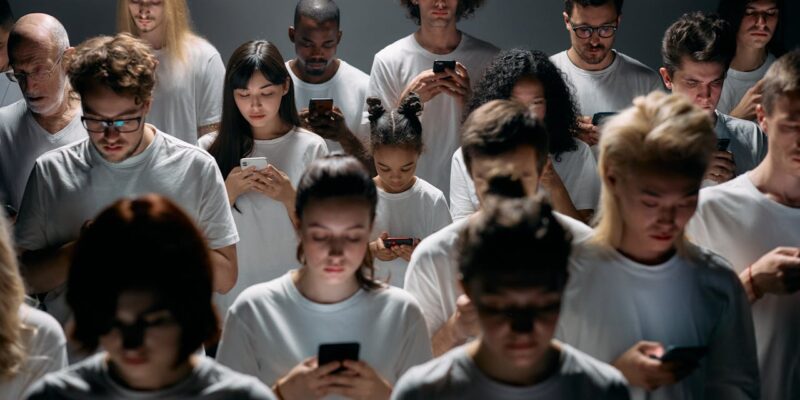
Social Media Attention Fragmentation
Social media doesn’t just take time – it quietly breaks the mind into small, restless pieces. When your brain is trained for constant “next,” deep focus, emotional settling, and even sleep start weakening. This pattern is called Social Media Attention Fragmentation, and it can increase anxiety, irritability, and low motivation without you noticing. In this article, we’ll understand why it happens and follow a simple daily plan to rebuild attention – softly, steadily, and without self-blame.
L@A