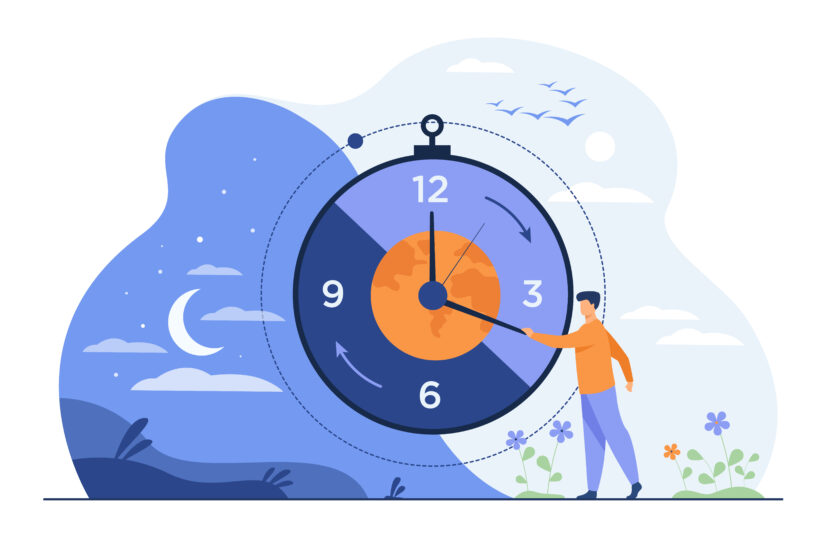
Circadian Clock and Sleep: Why Tiredness Is Not Always Enough
There are days when we feel completely tired. The body feels heavy and the mind feels exhausted. We think, “Today I will fall asleep as soon as I lie down.” Yet bedtime comes and sleep does not arrive. At other times, we feel sleepy early in the evening, become unexpectedly alert later, and wonder where that sleepiness went. Circadian Clock and Sleep can help us understand why. Feeling tired and being biologically ready for sleep are connected, but they are not always the same.
Yesterday, we explored how light, the suprachiasmatic nucleus, the pineal gland and melatonin help the brain recognise biological night. That is one side of sleep regulation. Another process works quietly through the day: the longer we remain awake, the greater our pressure for sleep generally becomes. Sleep depends on how these two biological forces interact, not on tiredness alone.
In our previous Live Again India article, Melatonin and Circadian Rhythm: How Modern Nights Confuse the Brain, we understood how light, darkness and melatonin help set biological timing. Today we move to the second foundation: the Two-Process Model of Sleep Regulation. It explains how the circadian clock and homeostatic sleep pressure work together to shape wakefulness, sleepiness and the experience of feeling exhausted but still awake.
Circadian Clock and Sleep: The Two-Process Model
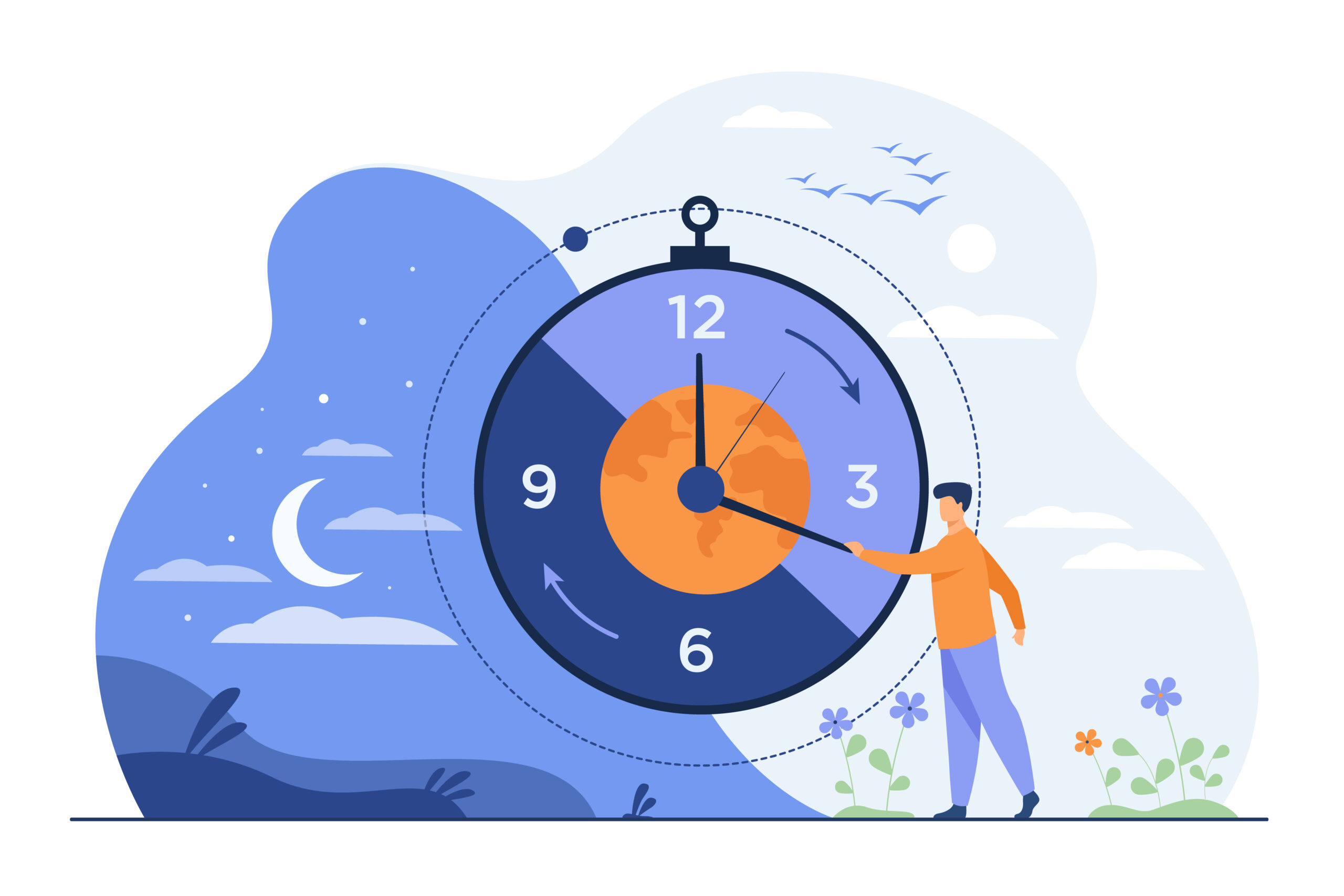
Sleep science often uses the Two-Process Model to explain when we become sleepy, when we remain awake and why sleep intensity changes across the night. Alexander Borbely developed this framework in the early 1980s. It separates two major influences: Process C and Process S.
In his 2022 review of the Two-Process Model, Alexander Borbély describes sleep regulation as an interaction between a sleep-wake-dependent homeostatic process and the circadian pacemaker. Process C represents circadian timing, while Process S represents the need for sleep that grows during wakefulness and falls during sleep.
Process C is the circadian component. It reflects biological timing across roughly 24 hours. The master clock in the suprachiasmatic nucleus organises this timing. Process S is the homeostatic component. It reflects the need for sleep that grows during wakefulness and declines during sleep. Circadian Clock and Sleep become easier to understand when we separate these processes first and then see how they interact.
These are scientific concepts, not two literal switches inside the brain. Sleep is more complex than any single model. Still, this framework helps explain naps, caffeine, jet lag, shift work, sleep deprivation and the frustrating feeling of being tired but unable to sleep.
Process S: How Sleep Pressure Builds
Imagine waking after a reasonably restorative night. Homeostatic sleep pressure is then relatively low. As the day continues, the biological need for sleep gradually increases. The longer we remain awake, the stronger this pressure usually becomes. This is Process S.
The U.S. National Heart, Lung, and Blood Institute explains that pressure to sleep builds with each hour of wakefulness. It also identifies adenosine as one substance linked with this drive. The brain does not wait until bedtime to begin preparing for sleep; the need for recovery has been developing throughout the waking day.
A person who has been awake for sixteen hours usually carries more sleep pressure than the same person did two hours after waking. Sleep reduces that pressure. Recovery after sleep loss is not simply a minute-for-minute repayment. Sleep can also become more intense early in the sleep period. Circadian Clock and Sleep therefore depend on both prior wakefulness and biological time.
Adenosine: Important, but Not the Whole Story
Researchers often describe adenosine as a chemical signal linked with sleep pressure. During prolonged wakefulness, adenosine-related signalling changes and contributes to sleepiness. But Process S is not simply “adenosine building up.” Sleep homeostasis involves several neural and molecular processes.
A Sleep Medicine Reviews paper on adenosine and sleep-wake regulation describes adenosine as an important endogenous sleep-regulatory substance and examines its receptors in sleep-wake control. The practical message is clear: prior wakefulness leaves a biological trace, and recovery need grows as wakefulness continues.
Sleep lowers this pressure, while a nap can lower part of it before the usual bedtime.
Process C: The Clock Can Keep Us Awake
If Process S were the only system involved, we would simply become sleepier from morning onward. Human experience shows something different. Most people remain awake through the day even while sleep pressure steadily rises. Process C helps explain why.
The circadian system changes sleep and wake propensity across the 24-hour cycle. During much of the biological day, it supports alertness. That wake-promoting signal can oppose rising sleep pressure and help us function until an appropriate nighttime sleep period.
The National Institute of General Medical Sciences explains that the SCN acts as the master clock and coordinates circadian rhythms throughout the body. Light reaching the eyes helps reset this timing system and influences melatonin. Biological time can therefore affect alertness even when the number of hours already spent awake is the same.
By late afternoon, Process S may already be high, yet the circadian system can still promote wakefulness. We may feel tired, but the brain is not necessarily at its strongest biological sleep phase.
Circadian Clock and Sleep: When the Two Processes Agree
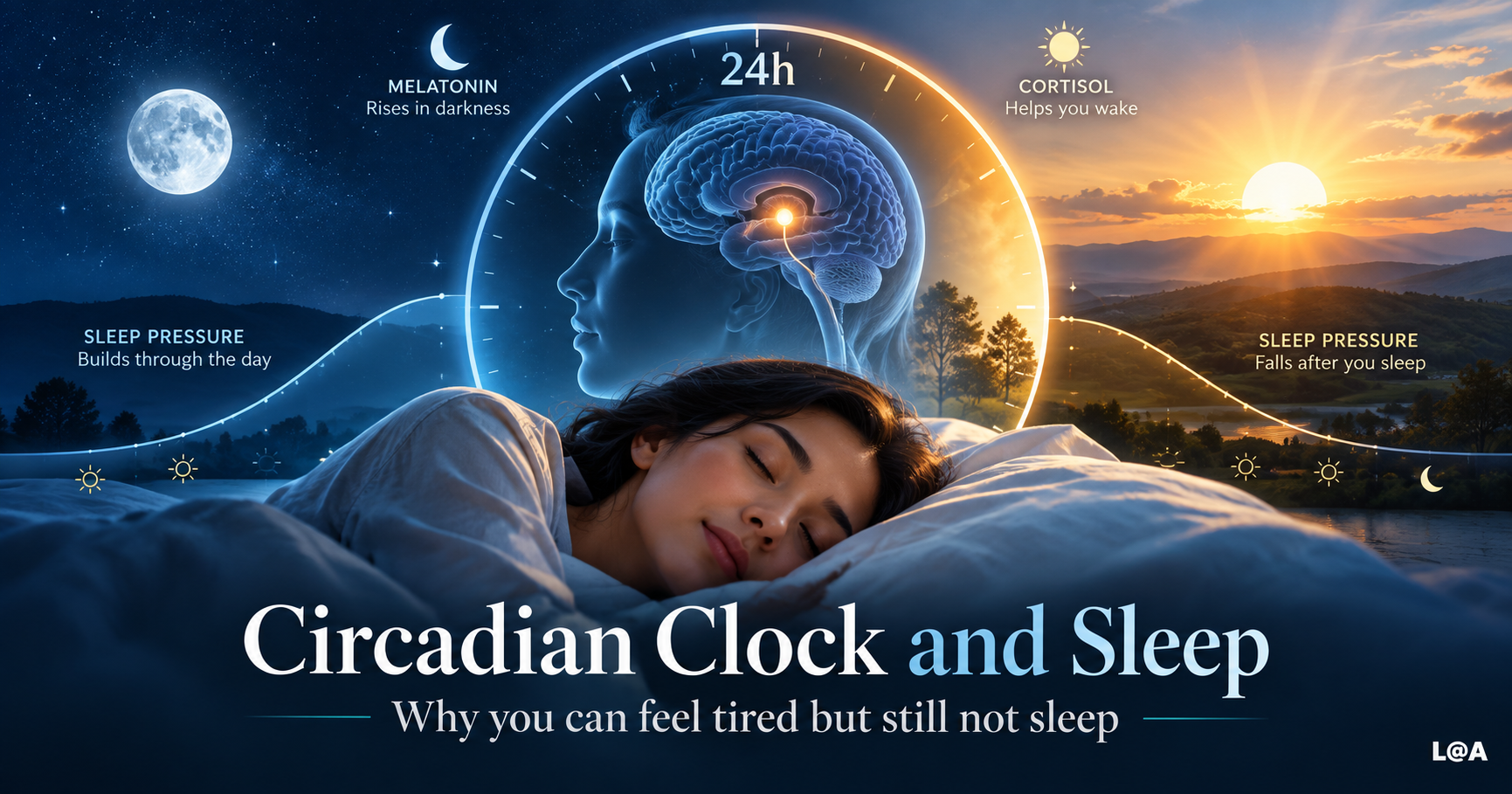
Nighttime sleep usually becomes easier when two conditions come together. First, sleep pressure has risen after a long period of wakefulness. Second, circadian timing has moved into biological night, when the wake-promoting signal falls and sleep becomes more strongly supported.
This coordination explains why bedtime feels different from an afternoon nap. At night, high sleep pressure and favourable circadian timing can work in the same direction. During the day, sleep pressure may be present while the clock still supports wakefulness.
Later in the night, sleep pressure has already fallen for several hours, yet the circadian system still helps maintain sleep until morning. Together, the two processes help explain both how we stay awake while sleep pressure grows and how we remain asleep after much of that pressure has declined.
Circadian Clock and Sleep: Why Can You Feel Tired but Still Not Sleep?
“Tired” can mean physical exhaustion, emotional fatigue, boredom, stress, illness or reduced motivation. Sleep onset is more specific. It depends on whether the sleep system is ready at that time.
A person may be exhausted after work but still have a strong circadian wake signal. Another may have lowered sleep pressure through a long evening nap. Someone else may have favourable Circadian Clock and Sleep timing but remain psychologically activated by worry, work, conflict or repeated clock-checking.
We explored this psychological side of the problem in our earlier Live Again India article Sleep and Cognitive Arousal. Biological readiness for sleep and mental disengagement are related, but they are not identical, and both can matter at bedtime.
The question is therefore not only, “Am I tired?” A better question is: are sleep pressure, circadian timing and psychological state all moving in the same direction?
Circadian Clock and Sleep: The Evening Second Wind
Many people recognise a “second wind.” They feel sleepy in the early evening, remain awake, and then become more alert. Circadian wake promotion can stay strong during the hours before the usual sleep period. Researchers sometimes describe this as a wake-maintenance zone.
Bright light, stimulating conversation, work, gaming or social media can add more alerting input. A person may carry substantial sleep pressure, yet the clock and environment may still support wakefulness. This is one reason why forcing a much earlier bedtime can create more time in bed without creating more sleep.
Naps Change Sleep Pressure
A nap can be helpful when someone is sleep-deprived, working unusual hours or recovering from illness. But sleep reduces Process S. A long or late nap can therefore leave less sleep pressure available at the usual bedtime.
This does not make all naps unhealthy. Timing, duration and prior sleep loss matter. Circadian Clock and Sleep patterns are better understood by asking when the nap happened, how long it lasted and what happened to nighttime sleep afterward.
Caffeine Can Hide Sleepiness Without Removing Sleep Need
Caffeine is especially interesting because it interferes with adenosine signalling. It acts mainly as an antagonist at adenosine receptors, including A1 and A2A receptors. In simple language, caffeine can reduce some of the sleep-promoting effects linked with adenosine.
That does not mean caffeine erases accumulated sleep need. It promotes alertness without deleting the history of wakefulness. Caffeine can remain active for hours, and sensitivity varies widely. A later article in this series can examine caffeine and adenosine in greater depth.
Deep Sleep Reflects Homeostatic Pressure
We do not measure Process S only by asking how sleepy someone feels. One important physiological marker is slow-wave activity during non-REM sleep. These slow brain waves are usually stronger after longer periods of wakefulness and tend to decline across the sleep episode.
A review of circadian neurobiology notes that slow-wave sleep and slow-wave activity are widely used markers of sleep homeostasis. They generally increase with prior wake duration and decline during sleep. This helps show that recovery can change not only how long we sleep, but also how intense parts of sleep become.
This helps explain why the first part of the night often contains more deep slow-wave sleep. As homeostatic pressure falls, later sleep contains relatively more REM sleep. Sleep architecture is dynamic because the brain moves through changing physiological needs across the night.
Circadian Clock and Sleep in Shift Work and Jet Lag
A night-shift worker may carry very high sleep pressure after working through the night, yet morning light and circadian timing may promote wakefulness just as sleep is attempted. Sleep can therefore become shorter or more fragmented despite intense exhaustion. Circadian Clock and Sleep are misaligned in this situation.
Jet lag creates a similar mismatch. The local environment may say “night” while the internal clock still signals “day.” A smaller shift can occur when someone repeatedly sleeps and wakes much later on weekends. Large repeated timing changes can make adaptation more difficult.
The Model Is Powerful, but Sleep Is More Complex
We should not treat Circadian Clock and Sleep as a complete explanation for every sleep problem. The Two-Process Model captures two major forces. Stress, illness, pain, medicines, breathing disorders, restless legs, substances, age, learning, mood and behaviour also influence sleep.
Modern research also suggests that sleep homeostasis has local features across brain regions and that circadian clocks exist in tissues throughout the body. The model remains useful because it organises the problem, not because it explains every molecular event. Persistent insomnia, loud snoring with breathing pauses, unusual movements, severe daytime sleepiness or major changes in sleep need deserve proper assessment.
How to Work With the Two-Process System
We cannot directly command Process C or Process S, but we can influence the conditions around them. The goal is not perfect sleep hygiene. It is to make sleep pressure, circadian timing and behaviour more cooperative.
- Keep a reasonably consistent wake time so the circadian system receives a stable daily anchor.
- Seek appropriate daytime light, especially earlier in the day, and reduce unnecessary bright light late at night.
- Avoid spending excessive extra time in bed after a poor night. More time in bed does not always create more sleep.
- Use naps thoughtfully. If nighttime sleep is difficult, notice whether long or late naps reduce bedtime sleep pressure.
- Keep caffeine away from the later part of your waking period when possible, especially if you are sensitive to it.
- Allow enough wakefulness between the end of one sleep period and the next planned sleep period.
- Create a quieter transition before bed so biological sleepiness is not competing with work, worry or stimulation.
- Judge patterns across several days rather than treating one imperfect night as proof that the sleep system has failed.
These practical principles are also consistent with NHS guidance on insomnia, which recommends regular waking times, relaxing before bed and reducing behaviours that repeatedly interfere with sleep. This kind of guidance is a useful foundation, while persistent or complex sleep problems may need individual assessment.
When Sleep Becomes a Psychological Struggle
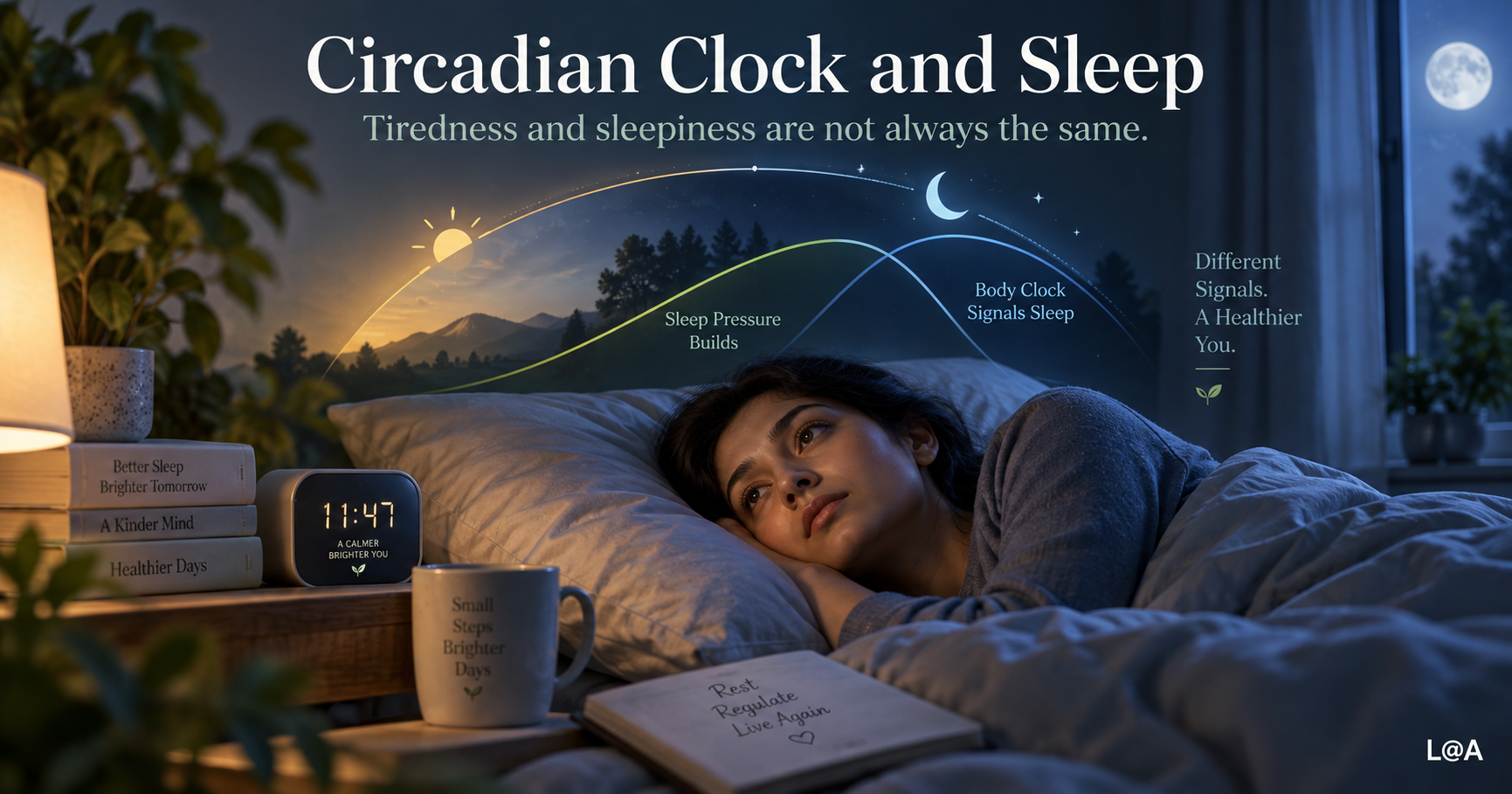
Sometimes the original trigger is biological or situational, but fear gradually develops around sleep itself. Bedtime becomes a place for monitoring: “Will I sleep tonight? How many hours are left? What if tomorrow is ruined?” The effort to force sleep can then create conditioned arousal.
The American Psychological Association’s discussion of chronic insomnia describes cognitive behavioural therapy for insomnia, or CBT-I, as an evidence-based approach that addresses thoughts, habits and conditioned patterns that maintain chronic insomnia. This matters because a sleep problem can gradually become a psychological struggle even after the original trigger has changed.
At this stage, information about body clocks may not be enough. Treatment may need to work directly with sleep anxiety, time spent awake in bed, catastrophic predictions and the behaviours a person uses to force or protect sleep.
Circadian Clock and Sleep: The Practical Understanding
The Two-Process Model gives us a simple way to organise a complicated experience. Process S asks, “How long have I been awake, and how much sleep pressure has accumulated?” Process C asks a different question: “What biological time is it?” It also asks whether the circadian system is currently promoting wakefulness or sleep. Good sleep becomes more likely when both systems point toward sleep at the same time.
Circadian Clock and Sleep also remind us that tiredness is not a failure and wakefulness is not always evidence that something is wrong. The sleep system is dynamic. Understanding its timing can reduce fear and guide better decisions about light, naps, caffeine, bedtime and recovery.
How a Therapist Can Help You
A therapist can help when sleep difficulty becomes linked with worry, rumination, bedtime fear, repeated checking or irregular coping habits. Therapy can separate biological sleepiness from anxiety-driven monitoring, identify behaviours that weaken sleep pressure, and build a more stable relationship with bedtime. Approaches such as CBT-I can address patterns that keep insomnia going. Therapy can also coordinate medical or sleep-specialist referral when symptoms suggest another condition.
Welcome to Live Again
Welcome to Live Again. Live Again India Mental Wellness is supporting you — you are not alone when tiredness, sleeplessness or an irregular body clock begins affecting mood, concentration and daily life. Science can reduce confusion, but your experience still needs to be understood as a whole person, not as one hormone or one number. With a suitable routine, psychological support and medical assessment when needed, healthier sleep can gradually become more predictable.
L@A
By Inderjeet Singh | Live Again India Mental Wellness