

Overthinking at Night Insomnia
At night, the mind doesn’t “go crazy”—it tries to protect you by chasing certainty.
However, when the nervous system stays activated, thoughts speed up and sleep turns into a test.
Therefore, the goal isn’t to solve life at 2 AM; it’s to lower arousal and retrain the bed as a safety cue.
With small, consistent steps, the brain relearns quiet—and sleep returns more naturally.
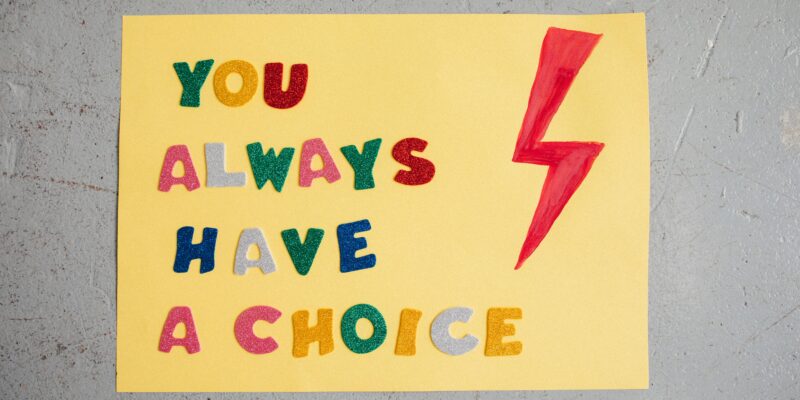
Emotional Clarity Big Decisions
Big decisions don’t need urgency-they need stability. When emotions rise, the brain shifts into survival mode and choices become extreme. Use a simple sequence: Regulate → Reflect → Decide, and delay irreversible steps for 24–72 hours unless safety is at risk. With calm structure and support, you can choose from strength, not from fear.

Emotional Numbness Inner Peace – Know the Difference
Emotional numbness and inner peace may appear similar but stem from opposite psychological states.
Numbness is a protective freeze; peace is a regulated calm. This article helps identify the signs, causes, and risks of each. Therapeutic guidance is offered to support emotional reconnection.

Emotional Exhaustion Patterns in Life
When the Present Feels Heavy: Understanding Emotional Exhaustion and Personality Patterns
L@A