

When Emotions Feel Urgent
When emotions become intense, everything can suddenly feel urgent—we want to call, reply, argue, resign, decide, or escape immediately. This article explores why strong emotions create pressure for instant action, and how slowing the moment can protect our relationships, decisions, and mental wellbeing.

Emotional Regulation Without Suppression
Emotions are important signals, but they do not have to become commands. Learn how to create space between what you feel and what you do – without burying the feeling or letting it take over.
Emotional Triggers And Reactions
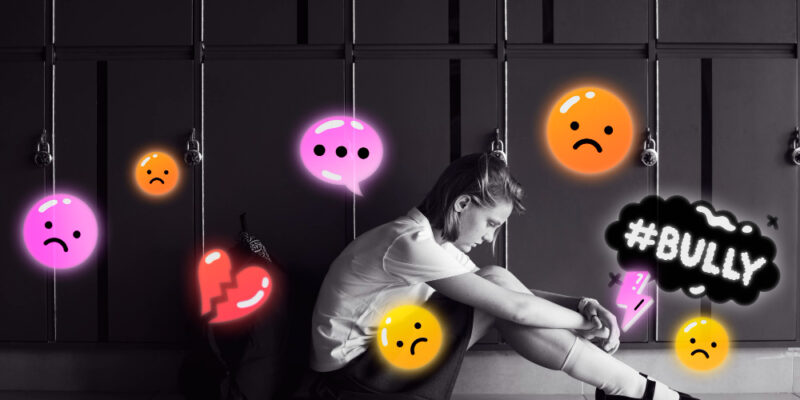
Small moments can activate powerful emotions when they touch older fears, beliefs or experiences. Learn how to identify triggers and respond with greater clarity.

PAUSE Method Emotional Regulation
Strong emotions can make us react before we understand what is happening. Learn the PAUSE Method to recognise triggers, regulate emotions and communicate with greater clarity.

Anger and Communication Skills
Anger becomes destructive when the nervous system takes over and communication turns into attack or shutdown. Regulate first, speak one clean boundary, and use time‑out with a return time. Replace blaming and repeated checking with structure – check‑in windows, response rules, and repair within 24 hours. When safety becomes behavioural, respect and connection return naturally.
Cognitive Reframing & Emotional Regulation
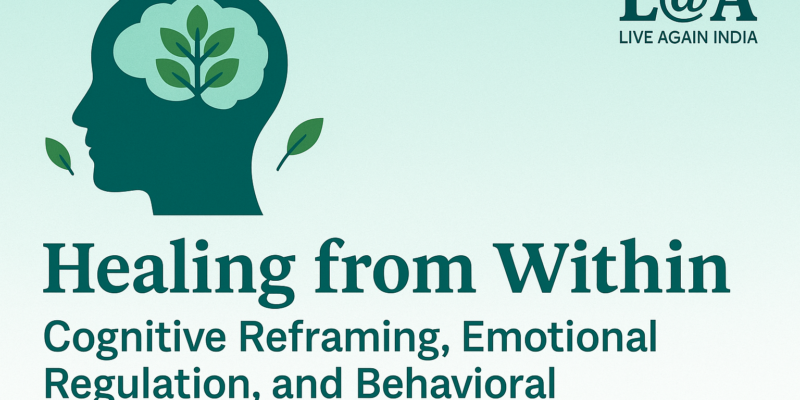
Healing is not a fragmented process. Thoughts influence emotions, emotions influence behaviors, and behaviors reinforce thoughts. By activating cognitive reframing emotional regulation behavioral restructuring simultaneously, clients enter a higher-order feedback loop where every success feeds the next growth layer.
L@A