
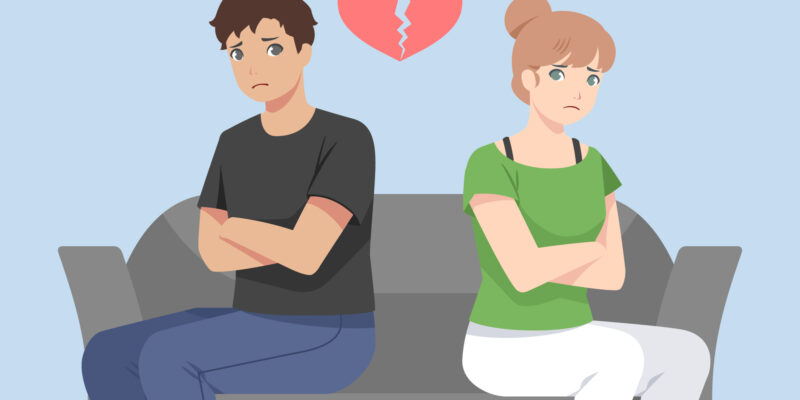
Emotional Distance in Relationships
Emotional distance can slowly enter a relationship when partners stop feeling heard, valued, or emotionally safe. This article explains why couples drift apart, how small patterns create distance, and how healing can begin with awareness, communication, and therapy support.

Emotional Validation in Relationships
Emotional validation in relationships means acknowledging another person’s feelings without immediately judging, correcting, dismissing, or fixing them. It helps people feel heard, emotionally safe, and respected. Validation does not mean agreement with every emotion; it means recognizing that the feeling is real for the person experiencing it.

Emotional Respect in Relationships
Emotional respect in relationships means handling each other’s feelings with dignity, even during disagreement. It does not mean agreeing with everything or accepting unhealthy behaviour. It means listening without insult, setting boundaries without cruelty, and protecting emotional safety while speaking honestly.

Love Without Losing Yourself
Love without losing yourself means staying connected while protecting your self-respect, identity, boundaries, and inner balance. Healthy love should not make you disappear. It should help you feel safer, clearer, and more alive.

Love and Emotional Dependency
Love and emotional dependency may look similar from outside, but they feel very different inside a relationship. Healthy love gives emotional safety, respect, and space. Emotional dependency creates fear, pressure, repeated reassurance-seeking, and imbalance.
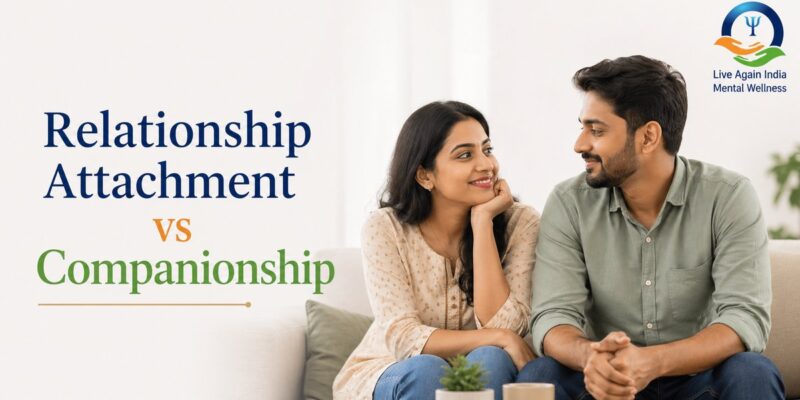
Relationship Attachment and Companionship
Relationship attachment and companionship are not always the same. A person may need someone, fear losing them, or feel emotionally dependent, yet still struggle to be truly present, respectful, and emotionally available. This article explains the difference between attachment and companionship in relationships, marriage, and family life.
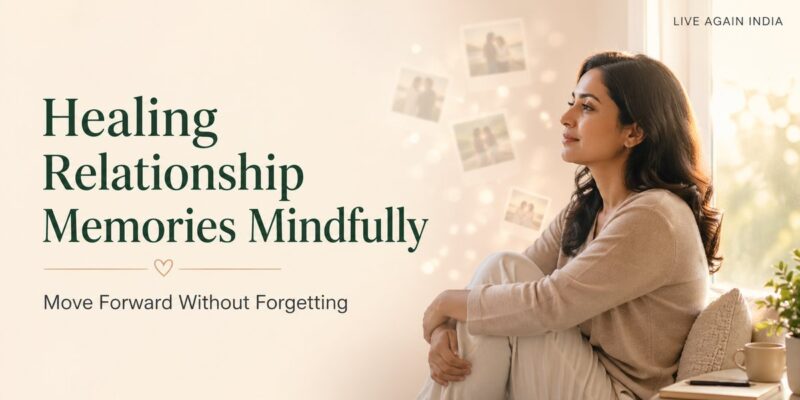
Healing Relationship Memories Mindfully
Healing relationship memories mindfully means learning to remember without collapsing, reacting, or becoming trapped in the past. This article explains how emotional memories can be carried with more balance, safety, and self-respect. Healing does not always mean forgetting; sometimes it means changing the way memory lives inside you.

Positive Memories Heal Relationships
Positive memories heal relationships when people begin creating small moments of safety, warmth, and trust again. This article explains why emotional repair does not happen only through problem-solving, but also through shared experiences that help the heart feel less guarded. Healing often returns quietly, through repeated moments that feel real, kind, and emotionally safe.

How Memories Shape Relationships
Relationships do not end only in real life – they often continue inside memory. This article explores how emotional memories shape trust, closeness, hurt, longing, and healing. It explains why the past still influences present connection and how therapy can help. Healing does not require forgetting; it requires healthier emotional integration.

Green Flag in Relationship | Healthy Love, Safety, and Trust
A green flag in relationship is not perfection. It is a repeated healthy pattern that brings trust, respect, and emotional safety.
Healthy love leaves you more settled than confused, more supported than drained, and more like yourself, not less.
When communication is clearer, repair is possible, and values match behavior, love becomes easier to trust.
Calm, respectful, emotionally safe connection is not boring — it is deeply valuable.
L@A