

Self Efficacy Supports Recovery
Self-efficacy is the belief that you can face challenges, learn, and keep moving forward.
It grows through small successes, repeated effort, realistic encouragement, and gradual exposure to difficult situations.
In recovery, confidence often develops after action begins-not before it.
With support and practice, people can rebuild trust in their own ability to cope and progress.

Sleep Consistency and Health
Is sleeping enough hours sufficient if bedtime and waking time keep changing? Sleep regularity adds an important dimension to healthy sleep.

Bedtime Procrastination and Sleep
Why do we keep scrolling when we already know we need sleep? Habit, reward, emotion regulation and lack of personal time can all delay bedtime.

Late Night Screen Use
Why can the body feel tired while the mind stays awake on social media? Light, faces, emotion, novelty and endless scrolling can all influence the transition to sleep.
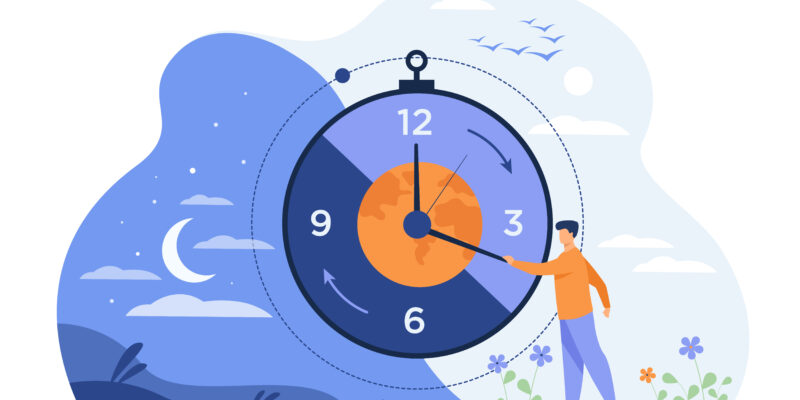
Circadian Clock and Sleep
Why can we feel exhausted and still remain awake? The Two-Process Model explains how circadian timing and sleep pressure work together to regulate sleep.

Melatonin and Circadian Rhythm
Why can the body feel tired while the mind remains awake? Understanding the circadian clock, pineal gland, melatonin, evening light and cognitive arousal can help us understand what modern life is doing to biological night.

Understanding Suicidal Emotional Pain
Suicidal distress is often less about a simple wish for death and more about emotional pain that feels unbearable, inescapable, or permanent. This article explores hopelessness, entrapment, shame, loneliness, cognitive narrowing, safety, and how compassionate psychological support can help.

People Hide Suicidal Thoughts
People may conceal suicidal thoughts because of shame, stigma, fear of hospitalisation, concern about family, or difficulty finding words for emotional pain. This article explains why silence happens and how families, friends, teachers, and therapists can create safer pathways to honest disclosure and timely support.

Talking About Suicidal Thoughts
When someone speaks about not wanting to live, our response matters. This article explores how to begin a compassionate conversation, ask directly about suicide, listen without judgment, support safety, and connect the person with appropriate professional help.

Understanding Your Emotional Triggers
A small situation can create a big reaction when it touches an older fear, need, or emotional meaning. Learn how to recognise triggers and respond with awareness.
L@A