
When Life Looks Normal but Something Feels Missing
Depression Beyond Visible Sadness: Some people wake up on time, get dressed, answer messages, care for their children and complete an ordinary working day. They may even laugh with colleagues or smile in family photographs. Yet when the noise of the day settles, they notice something difficult to explain: life is continuing, but the sense of being fully alive feels distant.
Depression Beyond Visible Sadness asks us to look beyond appearances. Emotional suffering is not always displayed through tears or withdrawal. Sometimes it appears as a quiet loss of enjoyment, persistent tiredness, irritability or the exhausting effort of appearing fine. A person may say, “I am managing everything,” while privately wondering, “Why does nothing feel the way it used to?”
This experience deserves curiosity rather than an immediate label. Not everyone who feels emotionally disconnected has a depressive disorder. But when the feeling persists or deepens, it deserves the same attention we would give to any other significant change in health.
Remember: A smile does not always reveal emotional wellbeing, and outward appearances alone cannot establish a diagnosis.
What Depression Beyond Visible Sadness Really Means

Depression is more than an ordinary bad day. The World Health Organization describes depressive episodes as involving depressed mood or loss of interest or pleasure, usually for most of the day, nearly every day, for at least two weeks, together with other possible symptoms. The mood may be sad, empty or irritable rather than visibly tearful.
Depression Beyond Visible Sadness is a way of describing experiences that may be overlooked; it is not a distinct diagnostic category. The important question is not whether someone appears sad enough to qualify for concern. It is whether there has been a sustained change in mood, enjoyment, energy, thinking, behaviour or wellbeing that warrants careful evaluation.
Why Do People Hide Their Emotional Pain?
For many people, distress feels difficult to share. They may fear being called weak, ungrateful or dramatic. Parents may worry about frightening their children. Professionals may believe they must remain dependable. Students may compare themselves with peers who appear more confident. Others have learned that sharing feelings leads to criticism or hurried advice.
Sometimes people are not deliberately hiding anything; they simply cannot find words for what has changed. They know how to describe a headache or a deadline, but not the absence of emotional warmth. Creating a safe, non-judgmental conversation can be more helpful than demanding an explanation.
Understanding Anhedonia: When Happiness Fades

One of the most significant but less recognised features of depression is anhedonia: reduced interest or pleasure in activities that previously felt rewarding. A person may continue attending celebrations but feel little excitement. Music may become background noise. A promotion may bring relief without satisfaction. Time with loved ones may feel strangely distant.
This does not mean the person has stopped loving the people or activities involved. It can mean that the emotional experience of pleasure has changed. The US National Institute of Mental Health lists loss of interest or pleasure among common depression symptoms, alongside changes in energy, concentration and sleep.
Understanding anhedonia can reduce self-blame. Instead of concluding, “I have become an ungrateful person,” someone can begin asking, “What has changed in my mental health, and what support might help?” The feeling deserves attention, especially when it persists.
Depression Beyond Visible Sadness: Signs of Depression We Often Overlook
Depression can affect thoughts, emotions, the body and relationships. The NHS identifies symptoms such as irritability, hopelessness, low motivation, difficulty making decisions, reduced enjoyment, tiredness, sleep disruption and social withdrawal. Not everyone experiences every symptom, and severity can vary.
In everyday life, this may look like reading the same email repeatedly, feeling exhausted after familiar tasks, becoming unusually sensitive to criticism, avoiding friends, or lying awake despite being tired. Some people oversleep; others struggle to sleep. Appetite may increase or decrease. Physical discomfort can coexist with emotional symptoms and still needs appropriate medical attention.
Depression Beyond Visible Sadness reminds us that these changes are meaningful even when someone is still meeting important obligations. However, the presence of one or two symptoms does not establish a diagnosis. Their duration, intensity, context and impact matter.
Why Daily Functioning Can Continue Despite Emotional Distress
Human beings can sustain familiar routines through habit, necessity, commitment and support. A person may prepare meals because children depend on them, attend meetings because income is essential, or continue studying because examinations are approaching. These responsibilities can offer structure and purpose, even while emotional wellbeing is suffering.
For some people, busy schedules also leave little room to notice how they feel. The day is organised around the next task rather than reflection. When the tasks finally end, exhaustion or emptiness may become more noticeable.
Functioning is therefore one part of a mental-health assessment, not the complete picture. We should neither assume that productive people cannot be depressed nor assume that every productive but unhappy person is clinically depressed.
Understanding So-Called High-Functioning Depression
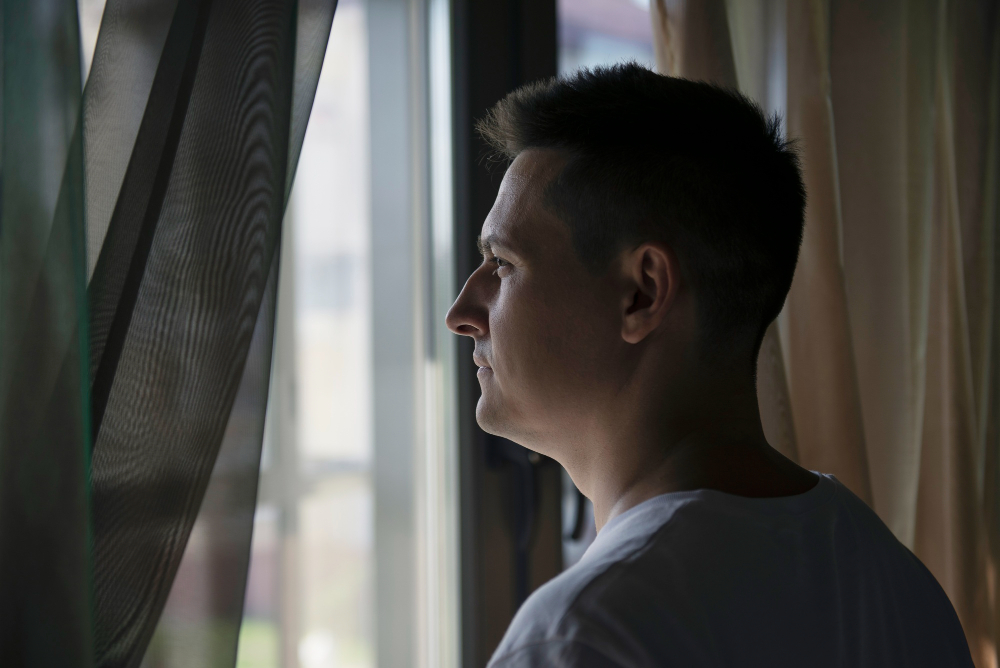
The expression “high-functioning depression” is often used online for people who maintain work, studies or family responsibilities while experiencing depressive symptoms. It may help someone feel recognised, but it is not an official stand-alone diagnosis. The phrase can also mislead if it suggests that preserved performance makes depression less important.
Depression Beyond Visible Sadness offers a more careful starting point: look at the person’s internal distress, symptom pattern and overall functioning rather than relying on a social-media label. A proper evaluation can distinguish depression from other emotional, medical or situational difficulties.
Depression Beyond Visible Sadness: Depression, Burnout and Emotional Exhaustion
Not every loss of energy or enthusiasm is depression. Burnout is commonly discussed in relation to prolonged occupational stress. Emotional exhaustion can also follow caregiving demands, grief, conflict, poor sleep, chronic illness or repeated uncertainty. These experiences may overlap with depression, but they are not interchangeable.
A helpful assessment explores where symptoms occur, when they started and what else was happening in the person’s life. Is the exhaustion restricted to work, or does it affect previously meaningful activities everywhere? Is there persistent loss of pleasure, hopelessness, changed sleep or a declining ability to function? Are there physical conditions, medicines or substance-related factors to examine?
The NHS guidance on diagnosis explains that clinicians consider symptoms and their impact and may investigate medical causes that resemble depression. The purpose is not to fit every difficult emotion into one diagnosis, but to understand what support is genuinely needed.
The Emotional Cost of Always Appearing Strong
Being seen as the reliable one can become an invisible burden. People may appreciate your helpfulness without recognising the effort behind it. You may hesitate to ask for support because others are accustomed to receiving it from you. Eventually, a painful thought can emerge: “Everyone knows what I do, but does anyone know how I am?”
Strength should include the freedom to be vulnerable. Asking for help is not abandoning responsibility. It is recognising that personal wellbeing matters independently of productivity, family roles or professional success.
Depression Beyond Visible Sadness: When Should Someone Seek Professional Help?
Consider a professional assessment when low mood, emotional emptiness, loss of enjoyment or associated symptoms persist, especially across two weeks or longer, intensify, or begin affecting relationships, work, study, self-care or daily functioning. The NIMH help guide encourages professional support for persistent or severe symptoms and notes that therapy and medication are established treatment options.
Seek help sooner when distress is severe; there is no need to wait for an exact duration. A clinician can assess depression, anxiety, trauma-related difficulties, sleep problems, physical health and relevant life circumstances. If someone has thoughts of suicide or feels unable to remain safe, urgent in-person help is needed. In India, emergency assistance is available on 112, and Tele-MANAS offers 24-hour mental-health support on 14416. or you can contact with www.tulasihealthcare.com and www.liveagainindia.com A helpline does not replace emergency care when danger is immediate.
Reconnecting With Life: Practical Steps Towards Recovery
For someone facing Depression Beyond Visible Sadness, recovery rarely begins with a dramatic transformation. More often, it begins with achievable steps that make daily life slightly more connected. Start by noticing the pattern: when is energy lowest, which activities have become difficult, and what gives even a small sense of purpose or relief? Observing without harsh self-judgment is a useful beginning.
Next, choose one manageable activity that reflects your values, even if motivation is not yet strong: a short walk, a conversation with a trusted friend, ten minutes of reading, or preparing a simple meal. This approach relates to behavioural activation, which helps people rebuild contact with meaningful and potentially rewarding activities. The American Psychological Association identifies behavioural approaches and cognitive behavioural therapy among evidence-based treatments for adult depression.
Protect basic rhythms where possible: regular meals, reasonable sleep, gentle movement and reduced reliance on alcohol as an emotional escape. Be realistic about work demands. Ask for practical support rather than expecting yourself to manage everything alone. And remember that self-care is supportive, not a replacement for treatment when symptoms are clinically significant.
The NICE guideline on depression emphasises shared decisions and treatment options matched to clinical need and preference. Progress may be gradual and uneven; a difficult day does not erase previous steps.
How Families and Loved Ones Can Help
If someone close to you seems quieter, more irritable or less interested in life, begin with curiosity: “You have seemed unlike yourself lately. Would you like to talk?” Listen without immediately comparing their suffering with other people’s problems. Avoid statements such as “You have everything, so why are you unhappy?” or “Just think positively.”
Offer specific support—company during a walk, help arranging an appointment, assistance with daily demands—while respecting autonomy and privacy. Depression Beyond Visible Sadness teaches an important relational lesson: we cannot reliably understand someone’s wellbeing from appearance alone. Compassionate attention is more useful than assumptions.
Depression Beyond Visible Sadness: How a Therapist Can Help You
A psychologist can help you explore changes in mood, pleasure, energy, thinking and daily functioning without rushing to label your experience. Therapy offers a confidential space to understand stressors, self-critical patterns, avoidance and emotional needs. Depending on assessment and individual circumstances, evidence-based approaches such as cognitive behavioural therapy and behavioural activation may help rebuild coping and meaningful engagement. When needed, the therapist can coordinate psychiatric or medical evaluation and create a treatment plan that respects your circumstances, preferences and safety.
Today’s Reflection From the Therapy Room
Today’s reflection is about the distance that can exist between what a person does and what a person feels. In psychotherapy, it is possible to hear about achievements, family gatherings, professional commitments and meaningful efforts towards change, alongside uncertainty, emotional fatigue or fears that have not yet settled.
One lesson remains especially important: improvement in daily functioning and improvement in inner emotional wellbeing do not always happen at the same pace. Someone may return to work before confidence fully returns. Someone may enjoy a celebration yet still find it difficult to feel secure or peaceful afterwards. Such experiences are not, by themselves, evidence of depression.
As a psychologist, I believe we must listen not only to how a person is performing, but also to how life is being experienced. “I am fine” may be a true description of one part of the day, and an incomplete description of another. This reflection is a general clinical observation, not a description of any identifiable client or a substitute for assessment.
Welcome to Live Again India Mental Wellness
At Live Again India Mental Wellness, we believe your life is precious and your emotional experiences deserve understanding. You do not need to appear strong every moment to deserve care. Whether you are living with Depression Beyond Visible Sadness or facing another difficult chapter, seeking support can be a meaningful step towards change. Welcome to Live Again India: your wellbeing matters, your journey matters, and you are not alone—we are with you.
L@A
By Inderjeet Singh | Live Again India Mental Wellness