Live Again India Mental Wellness
Live Again India Mental Wellness Live Again India Mental Wellness

2/6, Sarva Priya Vihar, Near Hauz Khas Metro Station

New Delhi, India

Emergency Cases

+91 99712 07507

Live Again India Mental Wellness Live Again India Mental Wellness
  • Home
  • About Us
  • Our Services
  • Meet All Doctors
  • Supporting Members
  • Mental Health Programs
  • Our Blogs
  • Contact Us
  • Book an Appointment
Book an Appointment

Our Blogs & Latest News

The quality and quantity of content we consume directly affect our mental health. Visual and auditory stimuli from digital platforms influence our thought processes, emotional states, and behaviors.

Take care of your mental health

For more personalized guidance and treatment support.

talk to your therapist. 

L@A

social-media-content-consumption-mental-health

Social Media, Content Consumption and Mental Health

February 22, 2024 by Inderjeet Singh

In today’s interconnected digital age, the relationship between social media, content consumption, and mental health has become a subject of growing importance. As we navigate a world saturated with visual and auditory stimuli, understanding how digital media impacts the human brain is essential for fostering healthier habits and better mental well-being.

The Human Brain: A Conscious Learning Neural Network

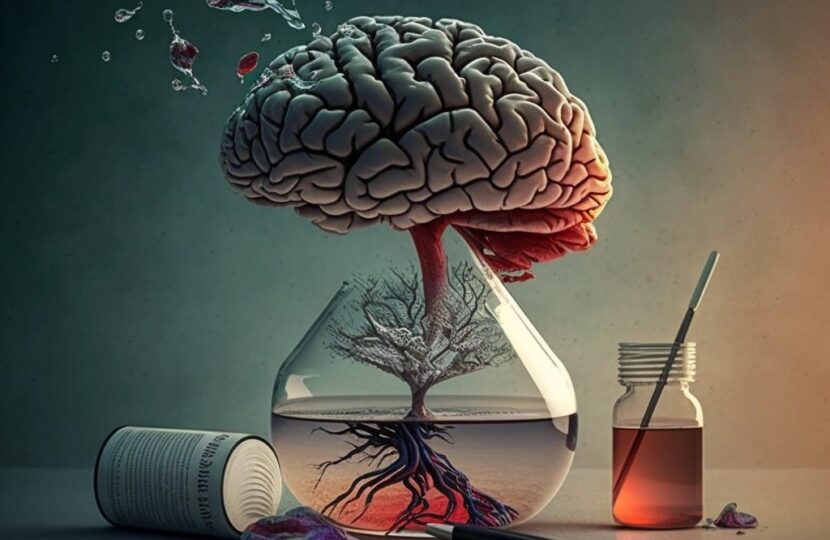
The brain often described as a “conscious learning neural network,” the human brain is an intricate organ weighing approximately 1.3 to 1.5 kilograms. Encased within the skull and supported by cerebrospinal fluid, it operates on a combination of electrical impulses and chemical reactions. This remarkable organ continuously processes vast amounts of information received through our five senses: sight, hearing, taste, smell, and touch.

With approximately 100 billion neurons and over 100 trillion synaptic connections, the brain serves as a dynamic system that encodes, stores, and retrieves information—a process we call “memory.” Memories are formed and stored in specific brain regions like the hippocampus, neo-cortex, and amygdala, creating the foundation for thought, perception, and emotional responses.

The Role of the Senses and Memory

Each of our five senses acts as a gateway, delivering external data to the brain. Sensory inputs are encoded into short-term memory and later consolidated into long-term memory through neural connections. This intricate process results in the rich tapestry of human experience, influencing thoughts, emotions, and behavior.

Visual and auditory memories play a particularly significant role in shaping higher cognitive functions. These memories form the bedrock of our beliefs, judgments, and decisions, ultimately determining how we interpret the world and envision our future.

Contrary to past beliefs that the brain becomes fixed after a certain age, modern research confirms that the brain remains plastic throughout life. This neuroplasticity enables the brain to form new pathways and adapt to new experiences, reinforce the importance of lifelong learning.

The Impact of Content Consumption on Mental Health

The quality and quantity of content we consume directly affect our mental health. Visual and auditory stimuli from digital platforms influence our thought processes, emotional states, and behaviors. Here’s how:

Positive Effects of Quality Content

  • Critical Thinking: High-quality content fosters analytical skills and empathy.
  • Inspiration: Positive and enriching content promotes motivation and personal growth.
  • Diverse Perspectives: Exposure to varied viewpoints enhances understanding and tolerance.

Negative Effects of Unhealthy Content

  • Distorted Perceptions: Repeated exposure to negative or misleading content can lead to biased thinking.
  • Emotional Stress: Violent or overly negative content heightens stress and anxiety.
  • Behavioral Impact: Excessive engagement with low-quality content may encourage harmful habits and reduced self-esteem.

Developing Healthy Digital Media Habits

Balancing digital media consumption is crucial in the third decade of the 21st century. Here are actionable steps to ensure a healthier relationship with content:

  1. Accuracy and Reliability: Prioritize content from credible sources to avoid misinformation.
  2. Diversity: Engage with a wide range of content to broaden your perspectives.
  3. Positive Engagement: Opt for media that inspires and uplifts.
  4. Limit Social Media Use: Avoid platforms that encourage excessive usage through likes or similar mechanisms.
  5. Screen Time Settings: Utilize tools on devices to monitor and limit screen time.
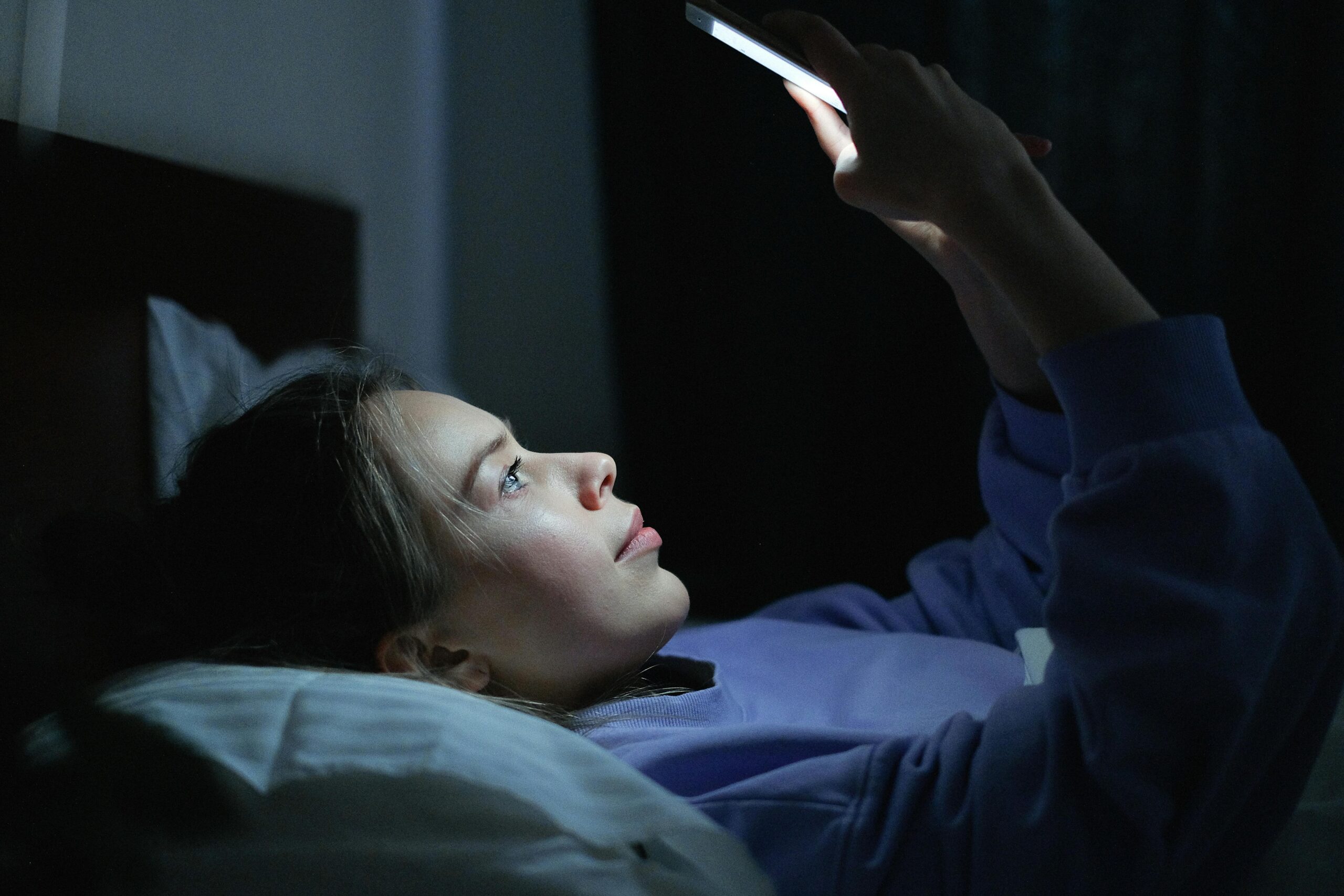
  6. Prioritize Sleep: Ensure at least 8 hours of sleep per night by limiting late-night screen time.
  7. Offline-Online Balance: Allocate time for offline activities like hobbies and nature walks.
  8. Physical Exercise: Spend 20-40 minutes daily on physical activities to boost mental and physical health.
  9. Social Connections: Strengthen bonds by spending time with family and friends.
  10. Mindfulness Practices: Incorporate mindfulness techniques to manage stress and improve focus.

The Way Forward

The interplay between social media, content consumption, and mental health underscores the need for mindful digital habits. By consuming quality content, maintaining a balance between online and offline activities, and nurturing meaningful relationships, individuals can foster a positive mental state and contribute to a more informed and harmonious society.


If you are experiencing any mental health issue, or know someone, who is suffering. Seek Professional Help and talk to your mental health expert.  Your mental health care is our priority. Your life is precious; take care of yourself and family. You are not alone. We are standing by you. Life is beautiful. Live it fully. Say yes to life. Welcome to life.
Live Again India Mental Wellness
L@A
Tags: #ContentConsumption#DigitalWellness#HealthyHabits#MentalHealthAwareness#SocialMediaImpact
  • Share
  • Tweet
  • Linkedin

Post navigation

Previous
Previous post:

Examination Anxiety: Symptoms and Solutions

Next
Next post:

Teacher’s mental health awareness and management

Published by Inderjeet Singh

Inderjeet Singh Mental health professional (psychologist). Founder of Live Again India Mental Wellness. Senior consultant psychologist at Tulasi health care, New Delhi, India.

Related Posts
Narcissistic Personality Disorder and Children’s Mental Health
October 18, 2024 by Live Again India

Narcissistic Personality Disorder (NPD) is characterized by a pervasive pattern of grandiosity (in fantasy or behavior), a constant need for...

LGBTQ Mind Has No Gender: Understanding Diversity
December 21, 2023 by Live Again India

The LGBTQ mind has no gender and is a fundamental concept that emphasizes inclusivity and respect for diverse sexual orientations...

Leave a Comment Cancel reply

Your email address will not be published. Required fields are marked *

Add Comment *

Name *

Email *

Website

Popular Posts
  • emotional respect in relationships
    Emotional Respect in Relationships

    May 2, 2026

  • fear of saying no
    Fear of Saying No

    May 1, 2026

  • love without losing yourself
    Love Without Losing Yourself

    April 29, 2026

Tag Cloud
#AddictionRecovery #AlcoholRecovery #SobrietyJourney #LapseVsRelapse #MentalHealthAwareness #AddictionRecovery #AnxietyAwareness #AnxietyRelief #AnxietySupport #BPDRecovery #EmotionalBalance #EmotionalHealing #EmotionalSafety #EmotionalWellBeing #EmotionalWellness #HealingJourney #HealthyRelationships #LiveAgainIndia #MentalClarity #MentalHealth #MentalHealthAwareness #MentalHealthIndia #MentalHealthMatters #MentalHealthSupport #MentalWellness #MentalWellnessIndia #Overthinking #PsychotherapySupport #RelationshipHealing #SelfCompassion #TherapySupport #TherapyWorks anxiety anxiety disorder CBT couple counseling depression DSM5 LiveAgainIndia marital counseling MentalHealth mental health MentalHealthAwareness MentalHealthMatters MentalHealthSupport MentalWellness mindfulness personality disorder relapse prevention counseling

Recent Posts

  • Emotional Respect in Relationships
  • Fear of Saying No
  • Love Without Losing Yourself
  • Love and Emotional Dependency
  • Relationship Attachment and Companionship

Recent Comments

  1. Lvivforum.Pp.Ua on Overcoming learned helplessness and depression
Live Again India

Wherever or whatever the situation of life you are in. You are not alone. We are with you.

Our Location

2/6 Sarva Priya Vihar, Near Hauz Khas Metro Station, New Delhi -110016, India

E: liveagainindia@gmail.com

+91-9971207507

+91-8960966553

Working Time

Mon - Fri - 9:00 AM - 5:00 PM

Sat - 9:00 AM - 2:00 PM

Sun - 9:00 AM - 12:00 PM

Quick Links
  • Home
  • About Us
  • Our Services
  • Meet All Doctors
  • Supporting Members
  • Mental Health Programs
  • Our Blogs
  • Contact Us

© 2023 Live Again Foundation. All Rights Reserved

L@A