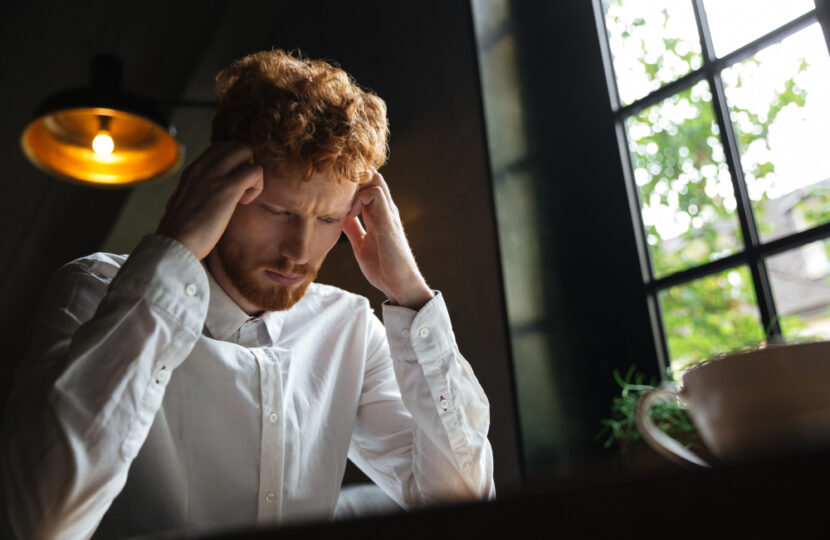
Hidden Anxiety In Men: When Worry Wears the Mask of Anger
Anxiety is often associated with fear, nervousness, trembling, or panic. Yet Hidden Anxiety In Men does not always appear in these familiar forms. For many men, anxiety may show itself through anger, irritability, impatience, overwork, controlling behaviour, restlessness, sleep difficulties, alcohol use, or emotional withdrawal.
A man may never say, “I am anxious.” Instead, he may say, “I am stressed,” “I cannot sleep,” “Everything is fine,” or “Just leave me alone.” Family members may notice frustration and anger on the surface, while underneath there may be fears about finances, relationships, health, work performance, failure, or emotional overwhelm.
This article continues the Men’s Mental Health India Series by Live Again India Mental Wellness. Following discussions on men’s silent suffering, depression symptoms, emotional suppression, and AI-related employment anxiety, we now explore another important reality: hidden anxiety often wears the mask of anger.
Understanding Hidden Anxiety In Men
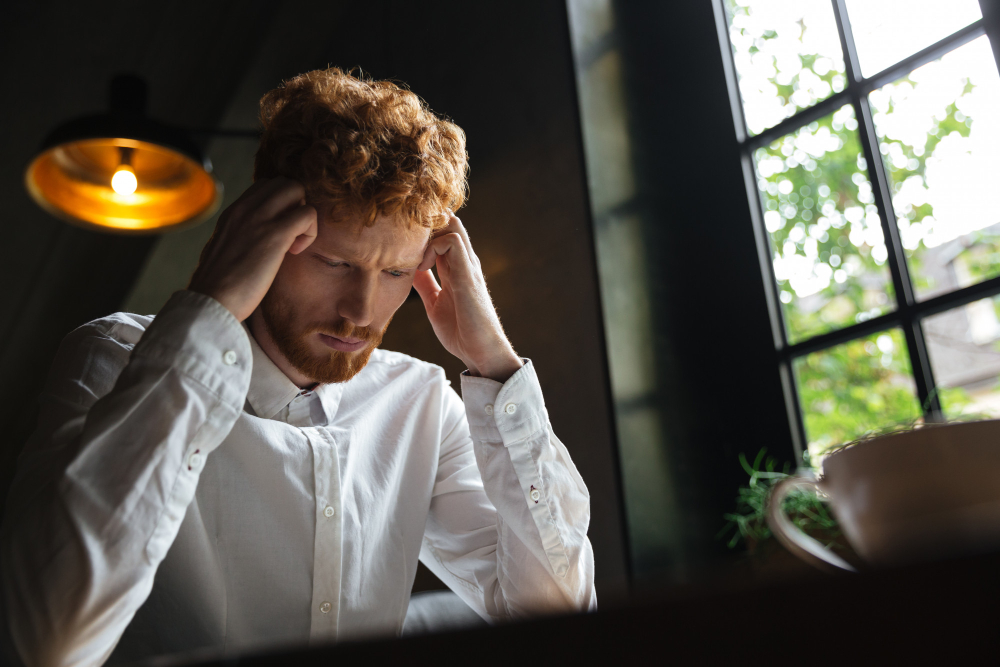
Hidden Anxiety In Men refers to ongoing worry, tension, fear, or anticipation of threat that affects emotional wellbeing, physical health, behaviour, and relationships. It may involve excessive thinking, difficulty relaxing, poor sleep, restlessness, body tension, irritability, concentration difficulties, and a persistent sense that something could go wrong.
According to the World Health Organization, anxiety disorders are among the most common mental-health conditions and may involve excessive fear, worry, tension, restlessness, irritability, and sleep difficulties.
For additional evidence-based information, the National Institute of Mental Health (NIMH) explains that anxiety disorders can affect thoughts, emotions, behaviour, and physical wellbeing, often interfering with daily functioning when left unaddressed.
The challenge is that many people expect anxiety to look visibly fearful. In reality, hidden anxiety in men may appear as impatience, anger, emotional distance, perfectionism, or a constant need for control.
Why Hidden Anxiety In Men Is Often Overlooked
Hidden anxiety frequently goes unnoticed because many men are not encouraged to express fear, uncertainty, or vulnerability openly. From an early age, boys may hear messages such as “be strong,” “deal with it yourself,” or “don’t show weakness.” Over time, emotional distress may become concealed behind behaviour.
Instead of saying, “I am scared,” a man may become controlling. Instead of saying, “I feel uncertain,” he may become impatient. Instead of saying, “I am overwhelmed,” he may raise his voice. Instead of saying, “I need support,” he may withdraw emotionally.
Families may describe him as stubborn, difficult, rude, or angry. While some behaviours may genuinely require accountability, focusing only on the visible anger can leave the underlying anxiety untreated.
When Worry Begins to Look Like Anger
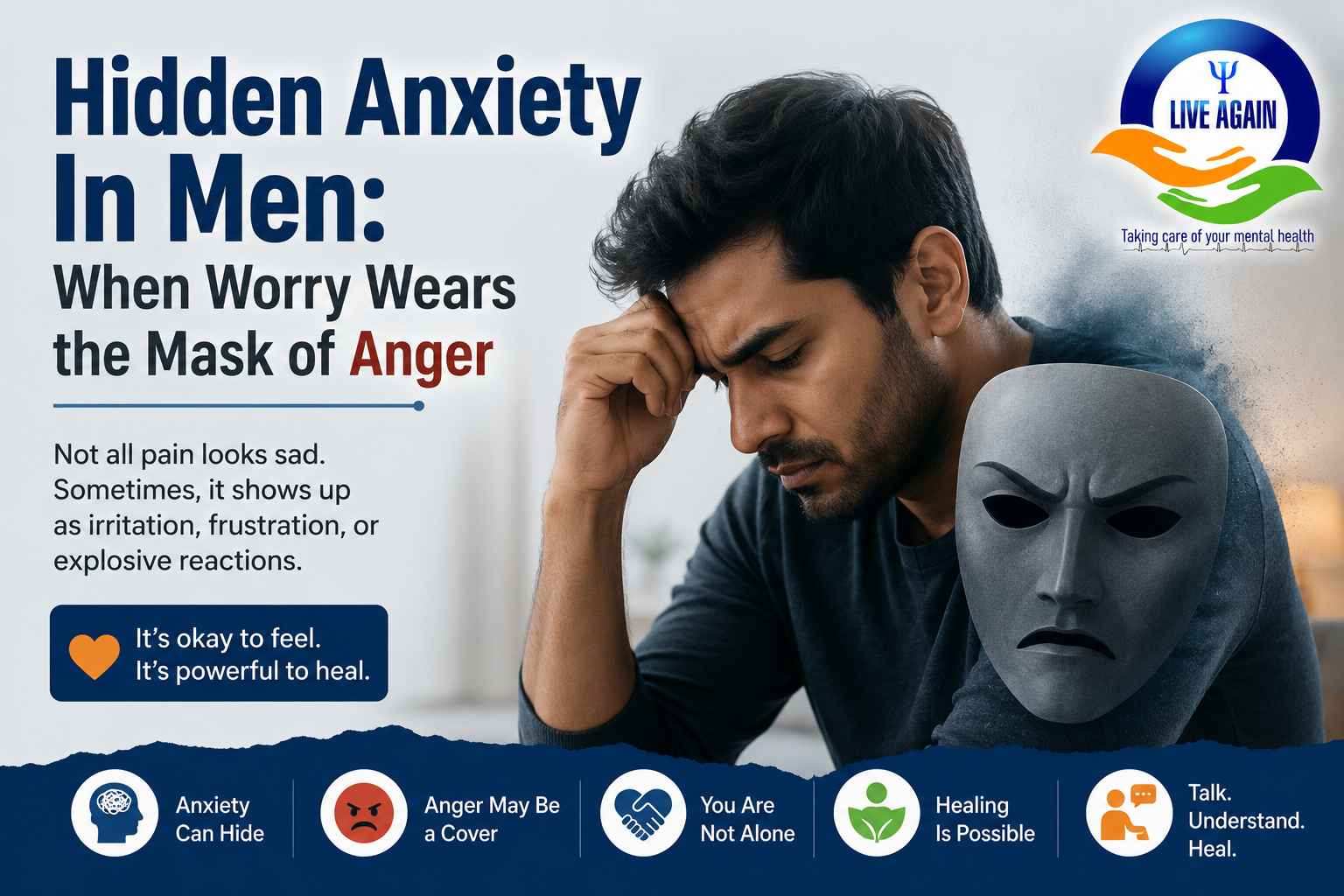 Anger often becomes the outward expression of hidden anxiety. When the brain senses threat, the body enters a state of heightened alertness. Heart rate increases, muscles tighten, breathing becomes shallow, and thoughts accelerate.
In these moments, anger may feel easier to express than fear. Anger can create a temporary sense of
strength and control, whereas fear often feels vulnerable and exposed. As a result, a man may criticize, argue, command, or shut down because he does not know how to communicate his worries directly.
Financial anxiety may appear as frustration over small expenses. Health concerns may emerge as irritability with loved ones. Workplace stress may spill into family interactions. Relationship insecurity may show up as excessive questioning or controlling behaviour.
This understanding does not excuse harmful actions. Abuse, threats, violence, or emotional cruelty must always be addressed seriously. However, it is often clinically useful to ask: what fear is hiding beneath the anger?
Common Signs of Hidden Anxiety In Men
Hidden Anxiety In Men may reveal itself through emotional, physical, behavioural, and relational signs.
Emotionally, men may experience tension, worry, restlessness, shame, irritability, or difficulty relaxing. Physically, they may struggle with headaches, chest tightness, stomach discomfort, acidity, sweating, jaw tension, fatigue, body aches, or disturbed sleep.
Behaviourally, anxiety may appear as overworking, repeatedly checking things, avoiding conversations, staying constantly busy, scrolling late into the night, smoking more, drinking more, or becoming impatient with minor inconveniences.
In relationships, anxiety may show itself through criticism, defensiveness, silence, emotional distance, anger, or excessive control.
Many men appear successful and productive externally while privately feeling exhausted, worried, and unable to switch off mentally.
Anxiety, Control, and Over-Responsibility

Many men attempt to manage anxiety through control. They may try to control finances, schedules, family decisions, work details, children’s routines, or household responsibilities. Control can provide temporary relief because uncertainty feels uncomfortable.
Unfortunately, excessive control often creates tension in relationships. Family members may feel restricted, while the man may feel misunderstood and unsupported. Conflict increases, and the original anxiety often becomes even stronger.
Over-responsibility can also contribute to hidden anxiety. Many men believe they must solve every problem, provide for everyone, protect the family, and remain emotionally strong at all times. When life becomes unpredictable, this burden can become overwhelming.
Healthy support and shared responsibility are signs of resilience, not weakness.
Hidden Anxiety In Men and Sleep Problems
Sleep difficulties are among the most common signs of anxiety. A man may feel physically exhausted yet mentally unable to rest. Thoughts about work, finances, health, relationships, children, EMIs, or future uncertainty may continue long after bedtime.
Poor sleep often increases irritability and emotional reactivity. The following day, he may appear distracted, impatient, short-tempered, or emotionally unavailable. Family members may notice anger, while the underlying issue is often anxiety combined with exhaustion.
Persistent sleep problems can affect concentration, decision-making, emotional regulation, physical health, and work performance. When anxiety and sleep difficulties continue together, professional support should be considered.
Anxiety, Alcohol, and Emotional Avoidance
Some men cope with anxiety by avoiding it. Alcohol, smoking, gambling, pornography, excessive phone use, gaming, late-night scrolling, or constant busyness may become ways of escaping uncomfortable emotions.
Although these behaviours may provide temporary relief, they rarely address the source of anxiety. Over time, they often contribute to guilt, conflict, financial strain, health concerns, and emotional distance.
A man may not say, “I feel anxious.” He may drink instead. He may not say, “I feel lonely.” He may scroll endlessly. He may not say, “I feel like I am failing.” He may become defensive or aggressive.
Avoidance may reduce discomfort temporarily, but it usually strengthens anxiety over time.
Anger or Anxiety: Understanding the Difference
Not every angry man is experiencing anxiety. Anger may also be linked to trauma, substance use, depression, personality patterns, relationship conflict, bipolar disorder, impulse-control difficulties, or learned behaviour. Careful assessment is therefore important.
Anxiety-related anger often develops in response to worry, pressure, uncertainty, overstimulation, or fear. It may worsen during periods of poor sleep, financial stress, criticism, work deadlines, family expectations, or perceived loss of control.
By contrast, primary anger dysregulation may appear more impulsive, explosive, sudden, and disproportionate to the situation.
Understanding the difference helps guide effective treatment and support.
Hidden Anxiety In Men at Work
Workplace anxiety often remains hidden because many men continue functioning despite significant distress. They may attend meetings, complete tasks, lead teams, and appear productive while internally feeling tense, uncertain, and constantly under pressure.
At work, anxiety may appear as perfectionism, procrastination, micromanagement, excessive checking, irritability with colleagues, avoidance of difficult conversations, or difficulty delegating responsibilities.
In India, work pressure is often closely connected to family responsibility. Employment may represent not only income but also housing, EMIs, healthcare expenses, children’s education, family stability, and social identity. As a result, workplace anxiety can quickly affect family life as well.
Hidden Anxiety In Men and Relationships
Anxiety can create emotional distance in relationships. A man may avoid conversations because he fears conflict. He may become defensive because he fears criticism. He may become controlling because he fears rejection, failure, or loss.
Partners may feel attacked or ignored. Children may feel confused or frightened. Parents may feel their son has become emotionally distant. Friends may notice irritability without understanding the pressure underneath.
Families often ask, “Why is he always angry?” A more helpful question may be, “What worries is he carrying, and why is it difficult for him to express them safely?”
Recognising anxiety beneath anger does not mean accepting harmful behaviour. Healthy boundaries remain essential. However, understanding the emotional struggle can create opportunities for more constructive responses.
Indian Context: Why Men Delay Seeking Help
In India, many individuals delay in seeking mental-health support because stigma remains a significant barrier. Some believe therapy is only for severe mental illness. Others fear being judged as weak or assume that discussing emotions will not help.
At the same time, mental-health awareness is increasing. The growing use of India’s www.tulasihealthcare.com and www.liveagainindia.com mental-health helpline reflects greater willingness to seek support for anxiety, stress, and emotional distress.
Early intervention matters. Untreated anxiety can affect relationships, parenting, work performance, physical health, substance use, and self-esteem. The longer anxiety remains hidden, the more deeply established the pattern may become.
Practical Steps Men Can Take
The first step is honest self-awareness. A simple statement such as, “I am not only angry; I think I may be anxious,” can be powerful.
The second step is recognising early warning signs. Tight muscles, jaw tension, chest pressure, racing thoughts, sweating, pacing, or rapid breathing often signal rising anxiety.
The third step is learning to pause before reacting. Slow breathing, grounding exercises, drinking water, stepping away briefly, or writing down worries can reduce emotional escalation.
The fourth step is reducing avoidance. Overwork, alcohol, excessive scrolling, or emotional withdrawal may provide temporary relief but rarely solve the underlying issue.
The fifth step is seeking professional support when anxiety begins affecting sleep, relationships, work, health, or daily functioning.
How Families Can Help
Families can support men by reducing shame and creating emotional safety. Instead of saying, “Why are you always angry?” they might say, “You seem stressed lately. Would you like to talk when things feel calmer?”
Timing matters. Someone who is emotionally activated may not respond well to intense questioning. Conversations are often more productive when everyone feels calmer.
Families should also avoid mocking vulnerability. If a man finally says, “I am anxious,” that moment deserves respect and encouragement.
Support does not mean tolerating abuse. If anger becomes threatening, violent, or unsafe, professional intervention and emergency support may be necessary.
Therapy for Hidden Anxiety In Men
Therapy helps men understand anxiety without shame. It can identify worry patterns, triggers, body arousal, avoidance behaviours, anger cycles, relationship stress, and deeper fears that may be driving emotional reactions.
Evidence-based approaches such as cognitive behavioural therapy can help challenge catastrophic thinking, perfectionism, excessive responsibility, and fear-based interpretations. Therapy can also improve emotional awareness, communication skills, sleep habits, coping strategies, and resilience.
When symptoms become moderate to severe, psychiatric evaluation may also be appropriate. Medication can be helpful for some individuals when prescribed and monitored by a qualified medical professional.
When Anxiety Requires Urgent Attention
Anxiety requires urgent attention when it is associated with suicidal thoughts, self-harm, severe panic, heavy substance use, inability to function, prolonged sleep deprivation, violence, or major deterioration in daily life.
If someone expresses a desire to die, feels like a burden, talks about ending their life, or becomes unsafe toward themselves or others, immediate help is essential.
In India, www.tulasihealthcare.com and www.liveagainindia.com In emergencies, contact the nearest hospital or emergency service immediately.
Safety must always come first.
How a Therapist Can Help You
A therapist can help men understand why anxiety may appear as anger, irritability, control, overwork, alcohol use, sleep disturbance, or emotional withdrawal. Therapy can strengthen emotional awareness, self-regulation, communication skills, and healthier coping strategies. It can also identify underlying depression, trauma, relationship stress, substance use concerns, or unresolved fears. With the right support, Hidden Anxiety In Men can move from silent distress and repeated conflict toward greater awareness, balance, and emotional wellbeing.
Welcome to Live Again
Welcome to Live Again. Live Again India Mental Wellness supports emotional wellbeing with compassion, respect, and psychological understanding. If you or someone close to you is struggling with anxiety, anger, irritability, sleep difficulties, emotional withdrawal, or overwhelming stress, please remember that you are not alone.
Seeking support is not a sign of weakness. It is a step toward clarity, stability, and healing. With timely help, healthy communication, emotional awareness, and professional guidance, meaningful change is possible.
Previous article in this series: AI Layoffs Employment Anxiety
Today’s Reflection From The Therapy Room
Sometimes anger is not the whole story.
Sometimes anger is anxiety wearing armour.
Many men do not say, “I am scared.” They say, “Leave me alone.” They do not say, “I feel overwhelmed.” They say, “Everything is irritating me.” They do not say, “I need help.” They become silent, distant, or controlling instead.
Healing often begins when we stop reacting only to the anger and start listening for the anxiety underneath it.
A calmer life rarely grows from shame. It grows from awareness, emotional safety, honest conversation, and support.
L@A