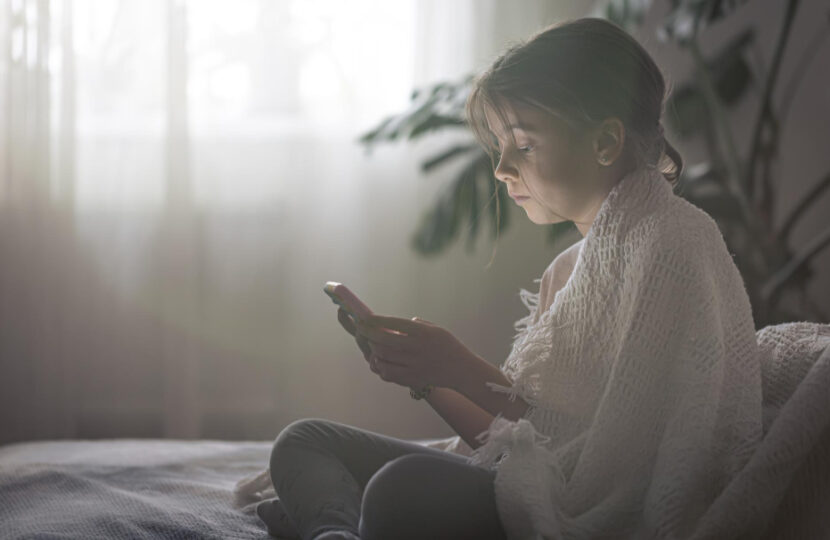
Digital Loneliness Mental Health: Why Online Life Still Feels Empty
Digital Loneliness Mental Health: Here is something many people feel but rarely say out loud: you can be endlessly connected and still feel completely alone. You can have a hundred conversations in a day, a full inbox, a busy group chat, and still carry a quiet emptiness that the screen never seems to fill. If that sounds familiar, you are not imagining it. And you are far from alone in feeling it.
We live in the most connected era in human history. Social media platforms host billions of users. Video calls bridge continents in seconds. Group chats never go silent. And yet, rates of loneliness, emotional exhaustion, anxiety, and depression continue to rise – especially among young adults and teenagers. The question is no longer whether people are online. The question is whether being online is actually helping them feel less alone.
This article explores the complex relationship between digital life and emotional wellbeing, why online presence does not always create genuine connection, and what meaningful steps individuals can take to reclaim their inner sense of belonging.
Digital Loneliness Mental Health in Today’s Online World

Digital loneliness is not simply about spending too much time on a screen. It is a deep emotional state in which a person feels unseen, misunderstood, or emotionally disconnected , even when they are constantly surrounded by online interactions.
The World Health Organization (WHO) recognises loneliness as a serious public health concern, describing it as a pervasive issue affecting people of all ages and backgrounds. Research indicates that social connection is not just emotionally important , it is biologically necessary. Prolonged loneliness has been associated with elevated stress hormones, disrupted sleep, weakened immunity, and a significantly higher risk of depression and anxiety.
What makes digital loneliness particularly difficult is its invisibility. A person can have a hundred followers, post daily content, reply to comments , and still feel that no one truly knows them. Online life creates the appearance of connection while often bypassing the emotional depth that human beings genuinely need.
Being seen online and being truly known are two very different experiences. Digital loneliness grows in the space between them.
Why Online Connection Still Feels Emotionally Empty
The core reason online connection often feels hollow is that it tends to lack the essential qualities of meaningful human interaction: sustained attention, emotional vulnerability, physical presence, and genuine listening.
When we communicate face to face, we receive a rich stream of information , tone of voice, facial expression, body posture, eye contact, and touch. These cues activate the brain’s social circuits and help us feel understood and accepted. A warm hug after a difficult day communicates something no text message, emoji, or voice note can fully replicate.
Online communication strips away many of these layers. A message can be misread. A conversation can be abandoned mid-way. A person can appear engaged while actually distracted by three other chats. Over time, these thin interactions , however frequent , fail to satisfy the deeper human hunger for genuine emotional closeness.
Neuroscience research highlights that authentic social bonding triggers the release of oxytocin, often called the ‘bonding hormone’, which plays a vital role in trust and emotional regulation. Digital interactions tend to produce much weaker oxytocin responses than in-person connection, which may partly explain why people feel emotionally unsatisfied despite constant online engagement.
Digital Loneliness Mental Health and Social Comparison
One of the most damaging features of social media is its role as a stage for curated self-presentation. People share the highlights , the holiday, the promotion, the celebration, the perfectly composed photograph. They rarely share the grief, the confusion, the quiet afternoons when nothing feels right.
The American Psychological Association (APA) has documented the harmful effects of social comparison on mental health, particularly among adolescents. When people constantly measure their ordinary, complicated lives against the polished highlights of others, the result is often a painful sense of inadequacy , the feeling of being behind, less attractive, less successful, or less loved.
This comparison is almost always unfair and inaccurate, yet the emotional brain does not easily distinguish between what is real and what is curated. Repeated exposure to idealised images and lifestyles creates chronic low-level distress that quietly erodes self-worth , and deepens the sense of digital loneliness.
People begin to withdraw from authentic sharing because they fear not measuring up. They post less of what is true and more of what is impressive. And the more performative online life becomes, the more emotionally lonely it starts to feel.
How Notifications Create Mental Tiredness
Every ping, buzz, and pop-up on a device is a small interruption , a demand on the brain’s attention system. The human nervous system was not designed to process hundreds of micro-demands every hour, and the cumulative effect of constant digital stimulation is a state of mental exhaustion that researchers call attention fatigue.
Attention fatigue makes it harder to concentrate, harder to feel emotionally present, and harder to experience genuine calm. People scroll not because they are enjoying the content, but because the restlessness of constant stimulation has made stillness feel uncomfortable.
The NHS mental health guidelines emphasise the importance of rest, digital breaks, and quiet time for emotional regulation. When the mind is perpetually overstimulated, it loses its capacity for deep feeling , and deep feeling is the foundation of genuine connection. A person who cannot be still with themselves will struggle to be truly present with others, whether online or in person.
This is one of the underappreciated pathways through which heavy digital use contributes to loneliness: not merely through the content consumed, but through the neurological state it creates , a brain too tired and too scattered to connect meaningfully.
“Constant notifications do not keep us connected. Over time, they fragment the very attention that connection requires.“
Digital Loneliness Mental Health and Emotional Disconnection
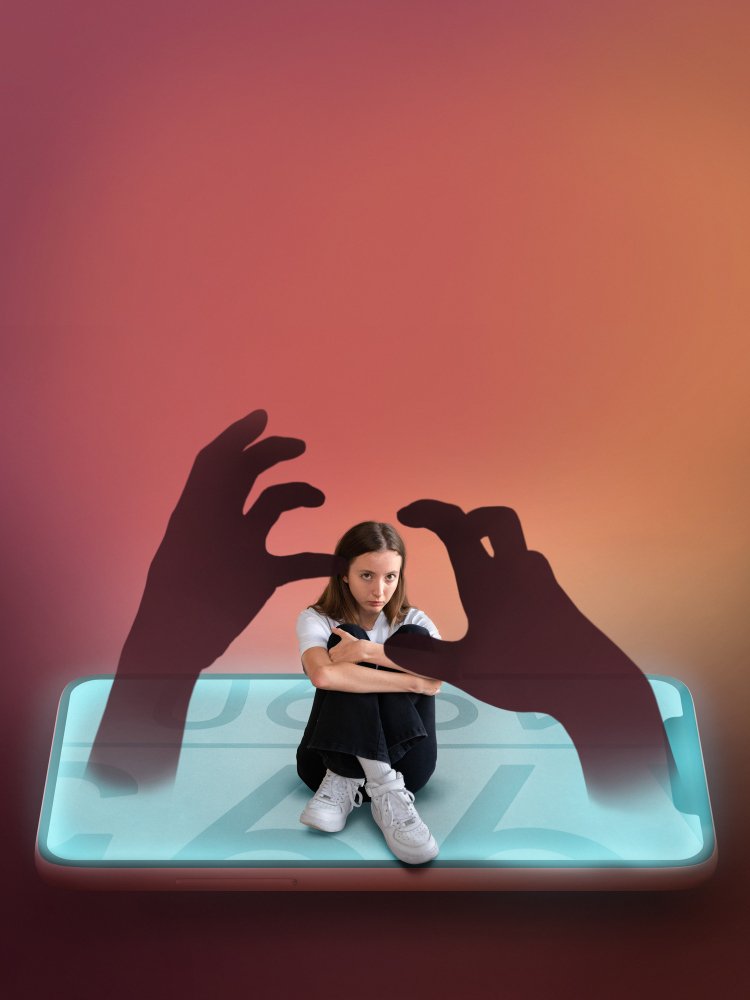
Emotional disconnection is a state in which a person becomes progressively less aware of, or less able to express, their own inner emotional life. Heavy digital use can accelerate this process in several ways.
When uncomfortable emotions arise , sadness, boredom, anxiety, grief , digital devices offer instant distraction. A quick scroll, a funny video, a stimulating reel. This is not inherently harmful in small doses, but when used habitually as a way to avoid sitting with difficult feelings, it prevents the emotional processing that mental health depends upon.
Over time, people may find it genuinely difficult to identify what they are feeling, to name their emotions with clarity, or to tolerate the discomfort of emotional experience without immediately reaching for their phone. This gradual numbing increases vulnerability to depression and anxiety , and it deepens digital loneliness, because authentic connection requires the willingness and ability to be emotionally present.
Therapy, journalling, mindfulness, and spending time in nature are some of the ways people can begin to reconnect with their inner emotional life. Simply putting the phone down and sitting with a feeling , without immediately distracting from it , is a quietly powerful act of self-care.
Why Likes and Views Cannot Replace Real Belonging
There is a significant difference between social validation and genuine belonging. Social validation , likes, views, shares, follower counts , is external. It is conditional, fluctuating, and dependent on other people’s responses. Belonging, by contrast, is an internal experience of knowing that you matter to others and that others matter to you, regardless of performance or appearance.
Social media is built around the mechanics of social validation. Platforms are deliberately designed to make people seek external approval, using the same variable reward systems , unpredictable responses to posted content , that make gambling psychologically compelling. Each time a post receives unexpected engagement, the brain releases a small hit of dopamine, reinforcing the behaviour.
The problem is that this dopamine response is brief, shallow, and ultimately unsatisfying. It does not nourish the deeper need for belonging. And when a post receives fewer responses than hoped , or when the comments are unkind , the emotional impact can be disproportionately painful, especially for people who have come to rely on online validation for their sense of self-worth.
Digital Loneliness Mental Health: Real belonging is found in relationships where you are known , truly known, with your flaws and fears and quiet struggles , and still accepted. No metric on any social media platform can offer that.
Digital Loneliness Mental Health in Teenagers and Young Adults
Young people are disproportionately affected by digital loneliness, and this is a matter of serious clinical and social concern. Adolescence is the developmental period during which identity, self-worth, emotional skills, and the capacity for intimacy are being formed. When this period is saturated with heavy social media use, comparison, and screen-mediated interaction, the results can be lasting.
Research published by the APA on social media and adolescent mental health and echoed by NHS mental health resources consistently finds associations between high social media use in teenagers and elevated rates of depression, anxiety, body image concerns, sleep disruption, and loneliness. Many young people report feeling that they must maintain an online persona that is attractive, interesting, and engaging , a performance that is exhausting and fundamentally at odds with the authentic self-exploration that adolescence requires.
The pressure to be constantly available, to respond immediately, to never appear disengaged or unhappy, creates a form of social anxiety that is specific to the digital age. Young people may spend hours crafting a post yet feel profoundly unseen by the people closest to them. They may have thousands of followers and no one to truly confide in.
Digital Loneliness Mental Health: Parents, educators, and mental health professionals play a critical role in helping young people understand the difference between online performance and authentic connection , and in creating the conditions for real, face-to-face relationships to thrive.
How Digital Silence Affects the Mind
Digital silence , the experience of sending a message and receiving no response, posting content that is ignored, or reaching out and being met with nothing , can be surprisingly painful. In the context of digital loneliness mental health, being left on ‘read’ or experiencing sudden withdrawal from an online connection can activate the same neural circuits that respond to physical pain.
Neuroscience research on social rejection has demonstrated that the brain processes social pain using some of the same pathways as physical pain. This is why being ghosted, unfollowed, or excluded from an online group can feel genuinely distressing , not a minor inconvenience, but a real and meaningful hurt.
For people who are already emotionally vulnerable, already lonely, or already struggling with self-worth, digital silence can compound existing difficulties significantly. It reinforces the fear that they are not interesting enough, not lovable enough, not worth responding to , and this kind of internal narrative, left unexamined, can deepen into a chronic pattern of low self-esteem and social withdrawal.
Digital Loneliness Mental Health: Awareness of this dynamic is the beginning of healing it. Understanding that the pain of digital silence is neurologically real , and not a sign of weakness , can help people respond to it with self-compassion rather than self-criticism.
“Being ignored online can hurt in ways we do not always have language for. That pain deserves to be taken seriously.“
Digital Loneliness Mental Health and Relationship Distance
An often-overlooked dimension of digital loneliness is its effect on close relationships. It is entirely possible to live with another person, share a household, and sit at the same dinner table , while both partners are absorbed in separate digital worlds. This physical proximity without emotional presence is sometimes called ‘phubbing’ (phone snubbing) and research has linked it to reduced relationship satisfaction, increased conflict, and growing emotional distance.
Many couples and families report that digital devices have quietly become the third presence in their relationships , one that is never fully absent, always competing for attention, and subtly eroding the quality of shared time. When two people are physically together but emotionally elsewhere, the relationship begins to lose the depth and warmth that sustain it.
This matters for mental health because close, secure attachment relationships are among the most powerful protective factors against loneliness, anxiety, and depression. When these relationships are weakened by digital distraction, the people within them become more vulnerable , and the irony is that many will turn to digital engagement to fill the emotional gap, entering a cycle that deepens the very disconnection they are trying to escape.
Digital Loneliness Mental Health: Intentional, device-free time together , whether through meals, walks, conversations, or shared activities , is not a luxury. It is a form of emotional nourishment that relationships and mental health depend upon.
Healthy Digital Boundaries for Emotional Wellbeing
Digital Loneliness Mental Health: Setting healthy boundaries around digital use is not about fear or avoidance , it is about intentionality. It is about choosing how and when to engage with digital life, rather than being passively driven by algorithms, notifications, and the endless scroll.
Some boundaries that mental health professionals commonly recommend include: designating phone-free times during the day (especially meals and the hour before sleep); turning off non-essential notifications; consciously choosing quality over quantity in online interactions; regularly spending time in environments that are not screen-mediated , nature, movement, music, creative activity; and practising the habit of checking in with your emotional state before reaching for your phone.
Sleep is particularly important here. Research consistently finds that screen use before bedtime disrupts melatonin production and sleep quality, and poor sleep dramatically worsens emotional regulation, resilience, and vulnerability to anxiety and depression. The NHS recommends keeping devices out of the bedroom at night as one of the simplest and most effective steps for mental wellbeing.
Digital Loneliness Mental Health: Ultimately, healthy digital boundaries are an act of self-respect. They communicate, to yourself and to others, that your attention and your emotional life have value , and that you choose to invest them thoughtfully.
How a Therapist Can Help You
If you recognise yourself in these pages , if digital life feels more exhausting than fulfilling, if loneliness persists despite constant connectivity, if you find it difficult to be emotionally present in your relationships, or if you are struggling with comparison, low self-worth, or quiet sadness , speaking with a therapist is one of the most meaningful things you can do for yourself.
A good therapist can help you explore the emotional roots of digital loneliness, understand the patterns that keep you stuck, develop a healthier relationship with your digital life, and begin to build the kind of authentic, nourishing connections that genuinely support your wellbeing. Therapy is not a sign that something is wrong with you. It is a sign that you are paying attention to your inner life , and that you believe you deserve support.
At Live Again India, our therapists are trained in evidence-based approaches to emotional wellbeing, loneliness, relationship difficulties, and digital age mental health challenges. We offer a warm, non-judgemental space where you can speak honestly about what you are experiencing , and begin to find your way back to yourself.
Related Reading: suggested article: Emotional Distance in Relationships / Self-Worth and Comparison / Mental Tiredness and Burnout
Welcome to Live Again
Live Again India is a mental health and emotional wellness centre committed to helping individuals, couples, and families reconnect with themselves and with the people they love. We believe that healing is not a destination , it is a way of living, a practice of returning, again and again, to what is real and what matters.
Whether you are navigating loneliness, relationship difficulties, emotional burnout, anxiety, low mood, or the quiet but persistent sense that something is missing , we are here to walk alongside you.
Your mental health matters. You matter. And you do not have to find your way through this alone.
Visit us at www.liveagainindia.com
TODAY’S REFLECTION FROM THE THERAPY ROOM
You are not broken because you feel lonely online. You are human, and loneliness is a signal, not a sentence. It points you toward what you are truly longing for: to be known, to be held, to be real with another person. That is not too much to ask for. That is the most human thing in the world.
L@A