Emotional Distance in Relationships: Why Couples Slowly Drift Apart and How Healing Can Begin
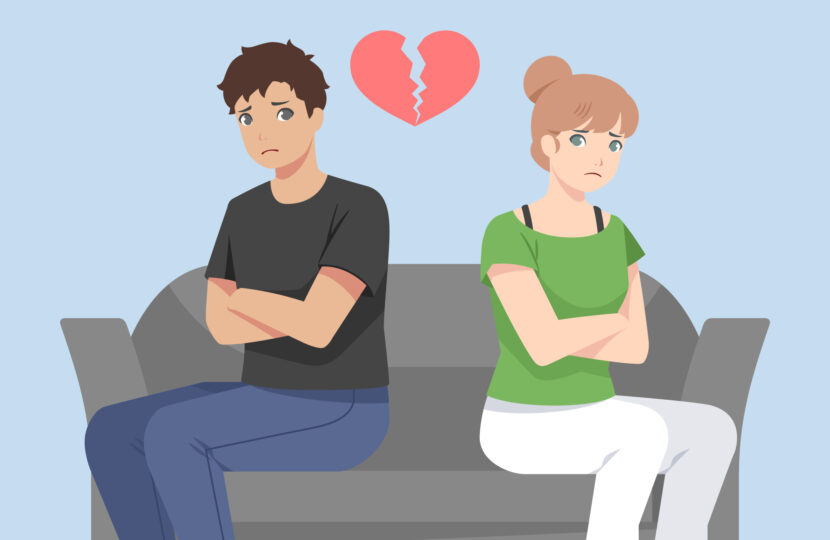
Emotional Distance in Relationships does not always begin with a big fight, betrayal, or dramatic event. Many times, it begins quietly. Two people may still live together, eat together, attend family functions together, and look normal from the outside. Yet, inside the relationship, one or both partners may slowly begin to feel lonely, unheard, unseen, or emotionally tired.
This distance may appear as short replies, less affection, delayed communication, silent resentment, or a feeling that “we are together, but not really connected.” Sometimes, the relationship is not broken; it is emotionally undernourished. When emotional warmth is not expressed regularly, even a committed relationship can start feeling dry, formal, or unsafe.
Emotional Distance in Relationships Often Begins Quietly
Many couples do not drift apart because love is absent. They drift apart because emotional repair is missing. They may care for each other, but they may not know how to express care in a way the other person can feel. Over time, small disappointments collect, unspoken needs remain pending, and emotional closeness begins to reduce.
This article explains why emotional distance develops, how it affects mental wellbeing, and what couples can do to begin healing. The aim is not to blame either partner. The aim is to understand the emotional gap with compassion and to bring back small moments of connection.
Emotional Distance in Relationships and the Feeling of Being Alone Together

One of the most painful experiences in a relationship is not always separation. Sometimes, it is the feeling of being alone while still being with someone. A partner may be physically present, but emotionally unavailable. They may respond to practical matters, but avoid deeper feelings. They may manage family duties, bills, children, and social responsibilities, but emotional sharing becomes limited.
This is why Emotional Distance in Relationships can feel confusing. The relationship may not look visibly damaged, yet the emotional experience feels heavy. One partner may think, “Why am I feeling lonely when I am not alone?” The other partner may think, “I am doing everything, then why are they still unhappy?” Both may be carrying pain, but neither may know how to communicate it safely.
The World Health Organization has highlighted social connection as an important part of health and wellbeing. Although a romantic relationship is only one form of connection, the same principle applies: when meaningful emotional connection weakens, human beings can begin to feel isolated, stressed, and unsupported.
In many Indian families, emotional distance is also hidden behind responsibility. Partners may say, “I am earning,” “I am taking care of the home,” “I am managing the children,” or “I am fulfilling my duties.” These responsibilities are important. However, emotional closeness needs more than duty. It needs warmth, attention, listening, appreciation, and the ability to repair after hurt.
Why Couples Slowly Drift Apart Emotionally
Couples usually do not become emotionally distant in one day. Distance often develops through repeated small moments. A partner shares something and does not feel heard. A concern is dismissed. A conflict remains unresolved. A request for affection is ignored. A hurtful sentence is never repaired. Gradually, the mind learns, “It is safer not to open up.”
When this happens repeatedly, the relationship enters a protective mode. Partners may stop sharing small details of their day. They may avoid difficult topics. They may become more formal with each other. They may spend more time on phones, work, social media, friends, or children because the emotional space between them feels uncomfortable.
The American Psychological Association explains that healthy couples make time to check in with each other and communicate regularly. This does not mean couples must talk deeply all the time. It means they need regular emotional contact so that misunderstanding does not silently become distance.
Another major reason couples drift apart is unprocessed resentment. When a partner repeatedly feels criticized, neglected, controlled, blamed, or misunderstood, they may not always fight openly. Sometimes they withdraw. This withdrawal may look like peace, but it may actually be emotional shutdown.
Emotional Distance in Relationships After Repeated Conflict
Conflict itself does not destroy a relationship. In fact, healthy disagreement can help partners understand each other better. The real damage often happens when conflict is not repaired. If every argument ends with silence, blame, sarcasm, avoidance, or emotional punishment, both partners begin to associate communication with danger.
In Emotional Distance in Relationships, one partner may become louder while the other becomes quieter. One may chase conversation while the other avoids it. One may demand answers while the other becomes defensive. This creates a cycle: the more one pushes, the more the other withdraws; the more one withdraws, the more the other feels rejected.
Research published through the National Library of Medicine discusses how communication during conflict plays an important role in helping couples resolve problems and sustain relationship quality. This is clinically important because many couples do not need perfect agreement; they need safer ways to disagree.
A conflict becomes dangerous when partners attack each other’s character instead of discussing the issue. Sentences like “You never care,” “You are always selfish,” “You are just like your family,” or “There is no point talking to you” can become emotional wounds. Even after the fight ends, the nervous system remembers the emotional injury.
Emotional Withdrawal as a Defence, Not Always Rejection
When one partner becomes emotionally distant, the other partner may immediately experience it as rejection. However, emotional withdrawal is not always a lack of love. Sometimes, it is a defence against repeated emotional overwhelm. A person may withdraw because they do not know how to respond, because they fear criticism, because they feel inadequate, or because they are emotionally exhausted.
This does not mean withdrawal is healthy. It simply means we need to understand it before judging it. In therapy, many partners eventually say, “I was not trying to hurt them; I just did not know what to say.” Others say, “Whenever I speak, it becomes a fight, so I remain silent.” This silence then becomes misunderstood as coldness.
The NHS Every Mind Matters notes that open and honest conversations, along with respect and support, can strengthen relationships and protect mental wellbeing. This is especially relevant when partners have started avoiding emotional topics.
To reduce distance, both partners need to slow down the reaction cycle. The withdrawing partner needs to learn how to express feelings without escaping. The pursuing partner needs to learn how to ask for connection without attacking. Healing begins when both stop seeing each other as the enemy and start seeing the pattern as the problem.
The Role of Unspoken Expectations in Emotional Distance
Many couples suffer not because they do not care, but because they carry unspoken expectations. One partner may expect emotional reassurance without asking for it. The other may expect appreciation for practical effort. One may expect quality time. The other may expect freedom and less pressure. When these expectations remain unspoken, disappointment becomes predictable.
In Indian relationship settings, emotional expectations are often shaped by family culture, gender roles, upbringing, past relationships, and social conditioning. A person who grew up in an expressive family may expect verbal affection. A person who grew up in a reserved family may show love through responsibility. Both may love deeply, but their emotional languages may not meet.
Emotional Distance in Relationships often increases when partners believe, “If they truly loved me, they would understand without me saying it.” This belief sounds romantic, but it can be harmful. No partner can accurately read every emotional need. Mature love requires communication, not mind reading.
Therefore, couples need to practice clear emotional language. Instead of saying, “You do not care,” one can say, “I feel alone when we do not talk at night.” Instead of saying, “You always ignore me,” one can say, “I need ten minutes of focused attention when I share something important.” Small clarity can prevent large emotional distance.
How Daily Habits Create Emotional Closeness or Distance
Relationships are shaped by daily emotional habits. A warm greeting, a gentle tone, a small appreciation, a respectful disagreement, a short apology, or a caring message can create emotional closeness. Similarly, repeated sarcasm, silent treatment, dismissive replies, criticism, and emotional absence can create distance.
Many couples wait for a big vacation, anniversary, or special occasion to feel connected again. However, emotional connection is usually rebuilt through ordinary moments. A partner who says, “I noticed you were tired today,” may create more closeness than an expensive gift given without emotional presence.
The APA’s guidance on social support highlights that supportive relationships can help people manage stress and improve wellbeing. In couple relationships, support does not always mean solving the partner’s problem. Sometimes it simply means listening with patience and responding with warmth.
Small habits matter because the brain records repeated emotional experiences. If a partner repeatedly feels safe, seen, and valued, closeness increases. If a partner repeatedly feels dismissed, judged, or alone, distance increases. Therefore, emotional repair is not only about one serious conversation. It is about building a new emotional pattern.
Digital Distraction and Emotional Distance in Relationships

Modern relationships face a new challenge: digital presence without emotional presence. Partners may sit in the same room but remain absorbed in phones, reels, messages, work emails, or online content. Slowly, the relationship loses small moments of eye contact, spontaneous conversation, and emotional checking-in.
Digital distraction does not always mean a partner is intentionally ignoring the other. Sometimes it becomes a habit of escape. When the mind is tired, the phone gives quick stimulation. When the relationship feels tense, scrolling can feel safer than talking. However, this avoidance can deepen emotional distance.
Emotional Distance in Relationships can grow when screens become more emotionally available than partners. A person may share thoughts online, laugh at videos, respond to others quickly, but remain emotionally unavailable at home. The partner then feels secondary, invisible, or unwanted.
A simple repair step is to create small phone-free connection spaces. For example, couples can keep ten minutes after dinner for conversation, avoid phones during one tea break, or greet each other properly before entering digital mode. These small boundaries can restore emotional presence without forcing long conversations.
Emotional Distance and Mental Health
When emotional distance continues for a long time, it can affect mental health. A person may begin to experience anxiety, sadness, irritability, sleep disturbance, low self-worth, overthinking, or emotional numbness. They may repeatedly ask themselves, “Am I expecting too much?” or “Is something wrong with me?”
The distress becomes stronger when a person feels unable to talk about the relationship. They may fear that sharing their pain will create more conflict. As a result, they keep everything inside. This internal pressure can slowly turn into resentment, hopelessness, or emotional exhaustion.
The NHS guidance on loneliness suggests talking to a trusted person, health professional, or counsellor when loneliness feels difficult to manage. In relationship distress, professional support can help because the person may need a safe space where their emotions are heard without judgment.
It is important to understand that feeling lonely in a relationship is not a sign of weakness. It is a signal. The mind is saying that emotional connection needs attention. When this signal is ignored, pain increases. When it is understood, healing can begin.
Signs That Emotional Distance in Relationships Is Increasing
There are several signs that emotional distance is increasing. Partners may talk less about feelings and more about tasks. They may avoid physical affection. They may stop asking about each other’s inner world. They may sleep with unresolved tension. They may feel more comfortable sharing emotions with friends than with each other.
Another sign is emotional editing. A partner may think carefully before speaking because they fear judgment, anger, or dismissal. They may hide their sadness, excitement, or worries. Over time, this creates a divided life: one life outside the relationship, and another silent life inside.
Emotional Distance in Relationships may also show through reduced curiosity. In early closeness, partners are curious about each other’s thoughts, dreams, fears, and experiences. When distance grows, this curiosity fades. The partner becomes familiar, but not deeply known.
A serious sign is when conflict stops completely, but warmth also disappears. Some couples say, “We do not fight anymore,” but what they really mean is, “We have stopped trying.” Peace without connection may be emotional resignation, not healing.
Why Blame Makes Emotional Distance Worse
When partners feel hurt, blame can feel natural. One partner may say, “This is happening because of you.” The other may say, “No, you are the problem.” However, blame usually makes emotional distance worse. It pushes both partners into defence rather than reflection.
Blame reduces curiosity. Instead of asking, “What is happening between us?” partners begin asking, “Who is guilty?” Once the conversation becomes a courtroom, emotional safety disappears. Each partner tries to prove their pain, defend their intention, and defeat the other’s version.
In therapy, it is often more useful to examine the cycle rather than blaming one person. For example, criticism may lead to withdrawal, withdrawal may lead to anxiety, anxiety may lead to more criticism, and the cycle continues. When couples understand the cycle, they can work together against it.
A healing sentence can be, “We are both hurt, and our pattern is hurting us more.” This sentence does not remove responsibility. Instead, it creates space for shared repair. Relationships heal faster when partners move from blame to understanding.
Emotional Distance in Relationships and the Need for Emotional Safety
Emotional safety means a person can express their feelings without fear of insult, punishment, mockery, rejection, or emotional attack. Without emotional safety, love becomes guarded. A partner may still care, but they will not fully open their heart.
Emotional Distance in Relationships usually reduces when emotional safety increases. Safety does not mean every conversation will be easy. It means both partners agree not to harm each other emotionally during difficult conversations. They may disagree, but they do not humiliate. They may feel hurt, but they do not threaten the relationship casually.
This connects with our earlier Live Again India article on emotional respect in relationships, because respect is the foundation of emotional safety. When partners feel respected, they can talk more honestly. When they feel disrespected, they protect themselves through silence, anger, or distance.
A relationship can rebuild safety through simple commitments: no name-calling, no character attacks, no dragging old issues into every argument, no emotional blackmail, and no dismissing the other person’s feelings. These commitments sound basic, but they can change the emotional climate of the relationship.
How Small Repair Attempts Can Bring Couples Closer
Healing emotional distance does not always require a dramatic emotional breakthrough. Often, it begins with small repair attempts. A repair attempt is any action that tries to soften tension and restore connection. It may be an apology, a gentle touch, a kind message, a cup of tea, or a sentence like, “Can we restart this conversation?”
Repair attempts work when they are sincere and repeated. One apology after years of hurt may not be enough, but consistent emotional responsibility can slowly rebuild trust. The injured partner also needs time. Trust does not return by demand; it returns through repeated safety.
Small repair attempts are powerful because they interrupt the old pattern. If the old pattern is silence, a repair attempt may be a short message. If the old pattern is anger, a repair attempt may be a pause. If the old pattern is criticism, a repair attempt may be appreciation.
Couples can begin with one daily question: “How are you feeling today, honestly?” The answer does not need to become a long discussion. The purpose is to reopen emotional contact. Even five minutes of sincere listening can reduce distance.
Communication That Reduces Emotional Distance

Communication is not only about speaking. It is also about timing, tone, listening, body language, and emotional intention. A correct point spoken with a harsh tone can still wound. A difficult truth spoken with respect can still create healing.
When couples are emotionally distant, they often communicate from pain. One partner speaks with accusation, and the other listens through defence. Therefore, the same words get interpreted as attack. This is why emotional regulation is essential before serious conversation.
A better approach is to use “I feel” statements. For example, “I feel disconnected when we do not spend time together” is easier to receive than “You never give me time.” Similarly, “I need emotional reassurance” is clearer than “You have changed.”
Another helpful practice is reflective listening. One partner speaks for two minutes while the other only listens. Then the listener reflects, “What I understood is…” This simple practice reduces misinterpretation and helps both partners feel heard.
When Emotional Distance Comes From Past Hurt
Sometimes emotional distance is not only about the present relationship. It may be connected with past hurt, childhood experiences, previous betrayal, attachment wounds, family conflict, or earlier emotional neglect. A partner may react strongly to small situations because the nervous system remembers old pain.
For example, if someone grew up feeling ignored, a delayed reply may feel like rejection. If someone experienced betrayal, normal privacy may feel threatening. If someone was criticized often, gentle feedback may feel like attack. These reactions are not always logical, but they are emotionally real.
This is why couples should not only ask, “What happened today?” They should also ask, “What did this situation touch inside you?” This deeper question can transform conflict into understanding. It helps partners see pain beneath reaction.
Therapy can be especially helpful here because past wounds often need careful exploration. Without guidance, partners may keep triggering each other without understanding why. With support, they can learn to separate old pain from present reality.
Emotional Distance in Relationships: What Not to Do
When emotional distance appears, many people panic and try to force closeness. They may demand immediate answers, repeatedly question the partner, check their phone, accuse them of not caring, or emotionally pressure them to respond. Although this comes from fear, it can increase distance.
On the other side, some people avoid everything. They act normal, suppress their feelings, distract themselves, or wait for the issue to disappear. This also increases distance because unresolved emotions do not vanish; they settle deeper.
Emotional Distance in Relationships needs neither pressure nor avoidance. It needs calm attention. Partners must learn to approach the problem without emotional aggression. They need to say, “Something is changing between us, and I want us to understand it together.”
What should be avoided? Avoid threats during conflict. Avoid involving too many people before understanding the issue. Avoid comparing your partner with others. Avoid using silence as punishment. Avoid discussing sensitive issues when either partner is exhausted, intoxicated, or emotionally flooded.
Practical Steps to Reduce Emotional Distance

The first step is acknowledgement. Couples need to name the distance gently: “I feel we are not emotionally as close as before.” Naming the issue reduces confusion. It also shows that the relationship still matters.
The second step is listening without immediate defence. When one partner shares pain, the other does not need to instantly explain, correct, or justify. First, they need to listen. Understanding should come before defence.
The third step is rebuilding small rituals. A morning greeting, evening tea, weekly walk, shared meal, or ten-minute check-in can restore emotional rhythm. Rituals create predictability, and predictability creates safety.
The fourth step is appreciation. Many couples only speak when something is wrong. They forget to say what is right. Appreciation softens the emotional climate and reminds both partners that they are still valued.
The fifth step is repair after conflict. Do not leave every argument open-ended. Even if the full issue is not solved, partners can say, “We are upset, but we are not against each other.” This protects the bond while the problem is being resolved.
When Couple Therapy May Be Needed
Couple therapy may be needed when partners repeatedly try to talk but end up fighting, withdrawing, or feeling more hurt. It may also be needed when the same issue keeps returning, when trust has been damaged, when one partner feels emotionally unsafe, or when both partners feel stuck.
Therapy provides a structured space where both partners can speak and listen with guidance. A therapist does not simply decide who is right or wrong. Instead, the therapist helps identify the emotional pattern, communication blocks, unmet needs, and repair possibilities.
A therapist may also help partners understand individual emotional histories. Sometimes the couple problem is connected to personal pain, family background, attachment style, stress, depression, anxiety, addiction, or personality patterns. When these layers are understood, couples can respond with more maturity.
Seeking therapy does not mean the relationship has failed. It means both partners are willing to understand the relationship more deeply. Many couples wait too long before seeking help. Early support can prevent emotional distance from becoming emotional separation.
Today’s Reflection From The Therapy Room
In the therapy room, emotional distance often appears as silence, irritation, tiredness, or repeated complaints. But beneath these surface reactions, there is usually a deeper sentence waiting to be heard: “I miss feeling close to you.” Many partners do not know how to say this directly, so they express it through anger, withdrawal, criticism, or sadness.
Healing begins when couples stop asking only, “Who started this?” and begin asking, “What are we both missing?” This shift is powerful. It moves the relationship from attack to awareness. It gives both partners a chance to become softer, clearer, and more responsible.
No relationship remains emotionally alive automatically. Emotional closeness needs attention, respect, repair, and repeated small acts of care. When couples understand this, they stop waiting for love to magically return and start rebuilding it consciously.
Emotional Distance in Relationships can be painful, but it can also become a turning point. It can show couples where the bond needs nourishment. It can invite them to talk again, listen again, and choose each other again with more awareness.
For deeper reading, you may also explore our related Live Again India articles on Emotional Respect in Relationships, Emotional Validation in Relationships, and Green Flag in Relationship. These articles can help you understand how respect, validation, and healthy relationship signs support emotional closeness.
How a Therapist Can Help You
A therapist can help you understand why emotional distance has entered your relationship and what emotional patterns are maintaining it. Therapy can support safer communication, reduce blame, and help both partners express needs without attacking each other. It can also identify deeper issues such as past hurt, anxiety, depression, trust injuries, or family stress. With professional support, couples can learn practical repair steps and rebuild emotional safety gradually.
Welcome to Live Again
Welcome to Live Again. Live Again India Mental Wellness is supporting you with care, respect, and emotional understanding. If you are feeling alone in your relationship, please remember that you are not alone. With the right help, emotional distance can be understood, softened, and healed one step at a time.
L@A