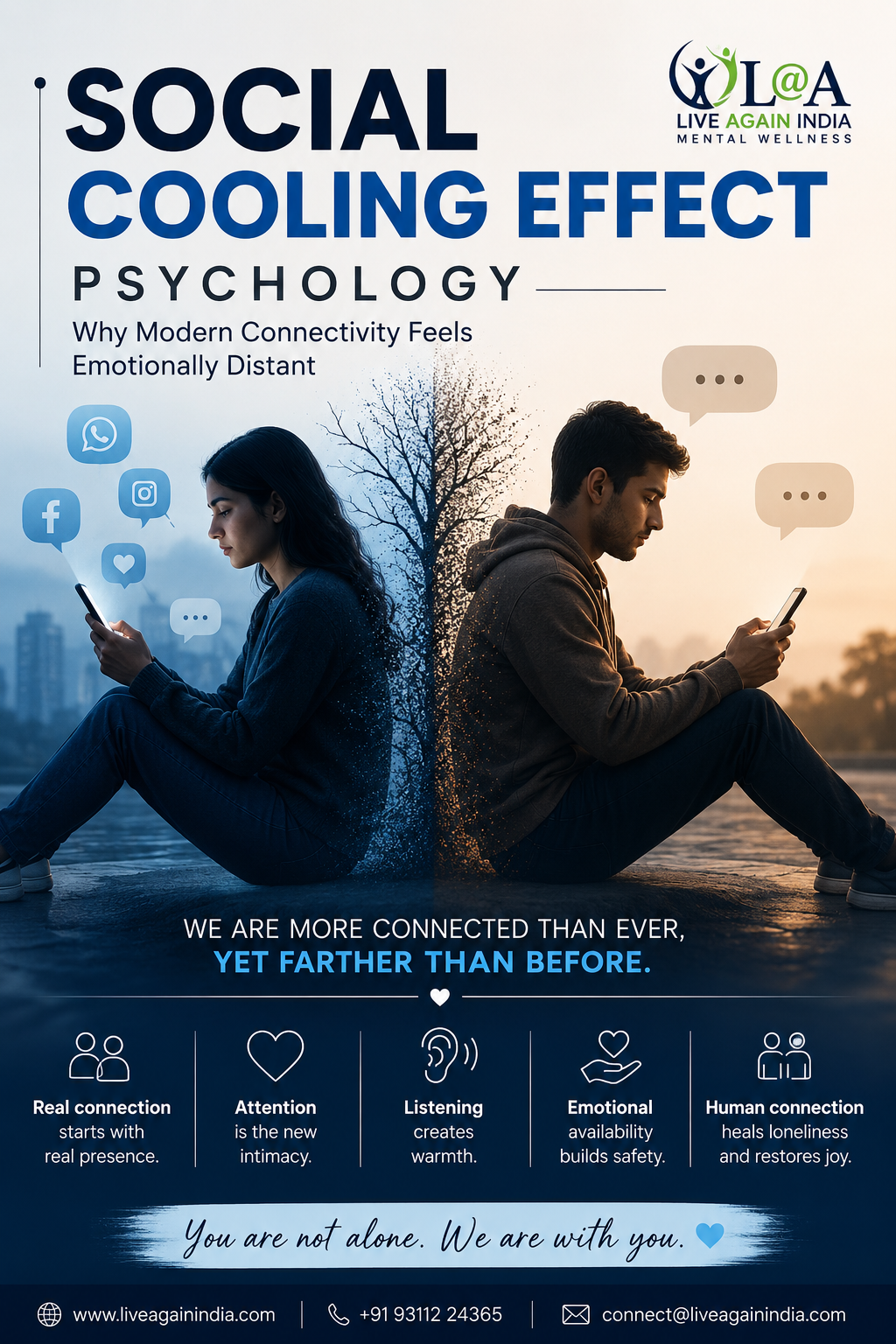
Social Cooling Effect Psychology: Why Modern Connectivity Feels Emotionally Distant
Modern life creates more ways to connect than any earlier generation has known. A message travels in seconds. A story shows where someone is, what they eat, what they celebrate, and how life appears from the outside. People react, follow, forward, comment, and remain digitally visible throughout the day. Yet, many still feel emotionally distant, unseen, lonely, or quietly disconnected. This is where Social Cooling Effect Psychology becomes a meaningful mental-health idea.
The modern world increases access, but access does not always create presence. A person may know another person’s location, routine, celebration, mood update, or public success. Yet they may still not know what that person is carrying inside. Many relationships appear active on screens while becoming emotionally thinner in real life.
Social Cooling Effect Psychology does not treat social media or technology as the enemy. Technology supports families across distance, helps people stay informed, and allows connection in important ways. However, this concept helps us understand a modern relational pattern: people remain reachable, visible, and digitally connected, while emotional warmth, relational depth, and genuine presence gradually decline.
This is not a psychiatric diagnosis. It is a psychological and social observation. It helps explain a common modern experience: people may remain connected everywhere, yet feel emotionally met nowhere.
What Is Social Cooling Effect Psychology?

Social Cooling Effect Psychology refers to the gradual decline in emotional warmth, relational investment, and interpersonal depth when digital connectivity begins to replace meaningful human engagement. It does not mean a relationship suddenly breaks. Instead, the emotional temperature slowly drops.
A relationship may still contain messages, likes, views, reactions, greetings, forwarded posts, and occasional updates. However, the deeper relational qualities may reduce: listening, curiosity, vulnerability, repair, patience, physical presence, and emotional effort. The relationship remains visible, but it slowly starts feeling less alive.
This cooling often happens quietly. People do not always choose distance consciously. They simply begin to observe more and ask less. They react more and listen less. They remain updated, yet stop entering each other’s emotional world.
Why Social Cooling Effect Psychology Matters Today
Social Cooling Effect Psychology matters because loneliness can exist even inside constant digital contact. A person may have hundreds of contacts, many followers, several groups, and continuous notifications. Still, when emotional pain appears, that same person may not know whom to call.
This is the modern paradox. Visibility increases, but emotional holding reduces. Contact increases, but intimacy may decrease. Digital signals of connection grow, but real warmth may not grow with them.
The World Health Organization recognizes loneliness and social isolation as important concerns for health and wellbeing. This matters because human beings need meaningful connection, not only digital access. The WHO Commission on Social Connection highlights the importance of social connection for mental and physical health.
Social Cooling Effect Psychology: More Connectivity, Less Connection
Modern communication gives speed, convenience, and reach. These are valuable. Families remain in touch across cities and countries. Friends reconnect. Work becomes faster. People find communities and information more easily. Therefore, technology has real benefits.
However, more connectivity does not automatically create deeper connection. A message does not always carry emotional presence. A reaction does not always mean involvement. A view does not always mean care. A person can remain constantly reachable and still remain emotionally unavailable.
This is one of the central concerns in Social Cooling Effect Psychology. The nervous system does not heal only through digital signals. It needs warmth, tone, attention, presence, and meaningful response.
Social Cooling Effect Psychology: Reachability Is Not Emotional Availability
A person may reply to messages and still remain emotionally absent. Another may react to every story but never ask, “How are you really?” Someone may remain online for hours yet avoid difficult conversations. This is reachability without emotional availability.
Emotional availability means more than access. It includes listening, attention, emotional participation, and the willingness to stay present when a conversation becomes real. It also includes the courage to repair distance and the patience to understand another person’s inner world.
Social Cooling Effect Psychology reminds us that availability should not be measured only by online presence. A green dot, a blue tick, or a story view does not always mean emotional connection.
Social Cooling Effect Psychology: When Observation Replaces Interaction
One of the strongest patterns in Social Cooling Effect Psychology is passive observation. People watch stories, check status updates, see posts, notice captions, track moods, and collect information about each other without speaking directly.
This can create an illusion of closeness. The mind may think, “This person’s life is known.” But knowing updates is not the same as knowing a person. Watching someone’s life is not the same as participating in that life.
Observation becomes a problem when it replaces interaction. Instead of calling, people view. Instead of asking, they assume. Instead of meeting, they monitor. Slowly, relational effort reduces.
Social Cooling Effect Psychology and the Illusion of Closeness
Digital platforms create many small signals: likes, emojis, hearts, comments, shares, views, and short replies. These signals can feel pleasant. They can offer validation and social visibility. They may also help people feel remembered.
Still, signals are not the same as emotional closeness. A heart reaction does not equal a heartfelt conversation. A view does not equal understanding. A comment does not always equal care. Familiarity through repeated exposure does not automatically become intimacy.
The American Psychological Association has discussed how social media can influence wellbeing, especially when people engage with idealized or curated content. This matters because online interaction can create emotional effects that feel stronger than the actual relationship behind them. The APA advisory can be read through the American Psychological Association.
Digital Reaction Cannot Replace Emotional Presence
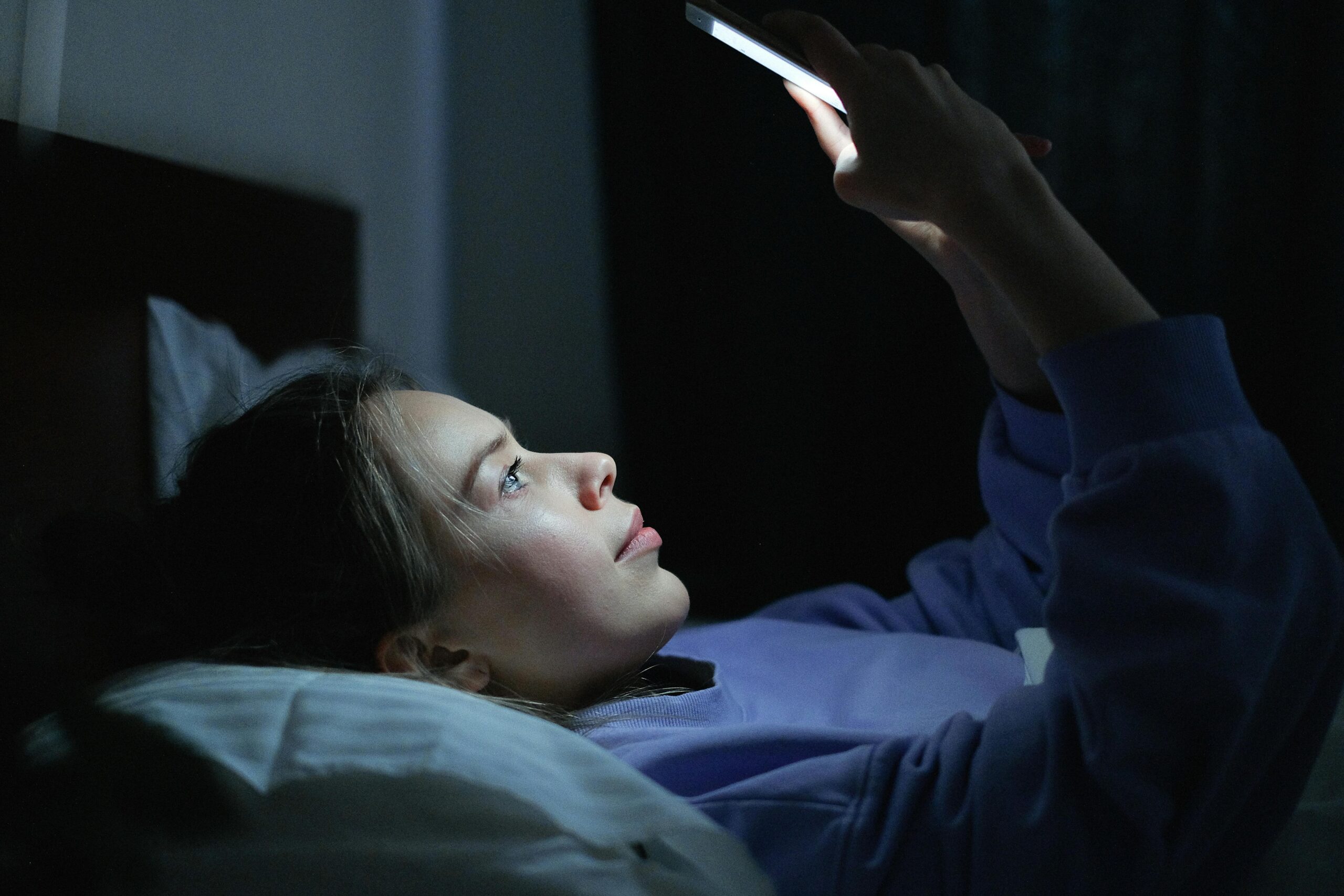
A digital reaction can acknowledge presence, but it cannot fully replace emotional presence. A person may feel briefly validated by a like or emoji. Yet deeper emotional needs usually require more: a voice, a conversation, a pause, eye contact, listening, or a meaningful response.
When digital reactions become substitutes for care, relationships may cool. People may feel they have “done enough” by reacting. But real connection asks for more than a symbol.
Social Cooling Effect Psychology does not reject digital reactions. It places them correctly. They are small signs of contact. They should not become replacements for human warmth.
Social Cooling Effect Psychology: Dopamine Over Attachment
Digital platforms often reward novelty, speed, stimulation, and instant feedback. The mind receives small emotional rewards from notifications, likes, replies, and views. These rewards can become habit-forming.
Human attachment develops differently. It needs consistency, trust, vulnerability, patience, repair, and repeated emotional presence. These processes are slower. They require effort and tolerance.
This creates a psychological mismatch. Digital life trains the mind for quick response. Real relationships ask the mind to stay, listen, wait, understand, and repair. When the mind becomes too used to quick stimulation, deeper relational investment may start feeling slow or heavy.
Social Cooling Effect Psychology and Emotional Substitution
Emotional substitution occurs when a digital action replaces a deeper relational action. A heart reaction replaces a conversation. A story view replaces checking on someone. A forwarded message replaces personal expression. A quick “take care” replaces real listening.
These actions are not wrong by themselves. They are often useful in daily life. However, when they become the main form of emotional connection, warmth reduces.
A relationship needs emotional nutrition. Small digital signals are like snacks. They may help, but they cannot become the whole meal. Human connection still needs meaningful conversation, shared time, emotional honesty, and repair.
Why Relationships Feel Cooler Now
Relationships feel cooler when people stop practicing warmth. Warmth is not only a feeling; it is also a behavior. It appears in listening, checking in, remembering, apologizing, appreciating, showing up, asking, and staying emotionally present.
When these behaviors reduce, relationships may continue formally but cool emotionally. People may still say “Happy birthday,” but not ask how life is going. They may still view stories, but not call during difficult times. They may remain connected, but not deeply involved.
This is the emotional cooling that Social Cooling Effect Psychology describes. The relationship does not always end. It becomes thinner, quieter, and less emotionally nourishing.
Social Media Is Not the Only Cause
A balanced view is necessary. Social media does not create all emotional distance. Many people already carry avoidant patterns, attachment insecurity, fear of vulnerability, social anxiety, unresolved hurt, emotional exhaustion, or weak communication habits. Digital platforms can make these patterns easier to maintain.
Avoidance becomes easier because one can watch without talking. Comparison becomes constant because everyone is visible. Validation becomes measurable because likes and views are countable. Emotional effort becomes optional because short reactions can replace deeper contact.
Technology is not the enemy. Unconscious use of technology can become a relational problem.
Social Cooling Effect Psychology and Loneliness
Loneliness does not always mean physical aloneness. Sometimes loneliness means not feeling emotionally met. A person may sit with family and still feel alone. A couple may share a room and still feel distant. Friends may remain connected online and still avoid meaningful conversations.
The Social Cooling Effect Psychology framework helps explain this condition. A person may feel surrounded by digital signs of connection, yet still lack real emotional contact. This creates confusion. The outside world says, “Connection exists.” But the inner world says, “Emotional holding is missing.”
The NHS offers practical guidance for people who feel lonely, including reaching out, joining activities, and speaking with others when loneliness affects mental health. This guidance can be read through the NHS loneliness support page.
Psychological Consequences of the Social Cooling Effect
The Social Cooling Effect can create several emotional consequences. A person may feel lonely despite constant connectivity. Emotional numbness may increase. Validation-seeking may become stronger. Real conversations may feel more difficult. Avoidance may become easier.
Some people may also lose tolerance for relational discomfort. Human relationships include misunderstanding, disagreement, waiting, and repair. If a person becomes used to low-effort digital contact, real emotional work may feel too demanding.
Over time, the person may confuse visibility with intimacy. They may feel that being seen online means being emotionally connected. Still, the nervous system often knows the difference.
Social Cooling Effect Psychology and Avoided Conversations
Digital communication makes avoidance easier. A person can delay a reply, send a short message, react with an emoji, or stay silent while still remaining visible. This can reduce immediate discomfort, but it often increases long-term distance.
Difficult conversations need courage. They require tone, timing, honesty, and emotional patience. Many relationships cool because people avoid repair. They stay updated but not healed. They remain connected but not resolved.
Social Cooling Effect Psychology shows that emotional distance often grows not because people stop caring completely, but because they stop making the effort to repair.
Social Cooling Effect Psychology in Couples
The Social Cooling Effect can also appear in couples. Partners may message throughout the day but not talk deeply. They may share reels but not share feelings. They may sit together while both look at phones. They may know each other’s schedule but not each other’s emotional state.
This creates silent distance. The couple may not fight openly, yet warmth reduces. Physical presence remains, but emotional contact weakens. Over time, both may feel lonely inside the relationship.
Couples need intentional presence. This may include phone-free time, meaningful check-ins, gentle listening, appreciation, and repair after conflict. Without these practices, digital connection may cover emotional distance instead of healing it.
Social Cooling Effect Psychology in Families
Families also experience emotional cooling. Members may live in the same house but communicate mainly through instructions, reminders, complaints, or forwarded messages. Everyone may know who is home, who has eaten, and who is busy. Fewer people may know who feels emotionally tired.
In many homes, practical coordination replaces emotional conversation. The family functions, but warmth reduces. This affects children, parents, couples, and elders.
Families do not need dramatic emotional talks every day. But they do need small moments of human warmth: sitting together, asking sincerely, listening without rushing, laughing, appreciating, and noticing when someone is not okay.
Social Cooling Effect Psychology and Young People
Young people often grow up in a world where visibility feels normal. They may post, view, react, and compare throughout the day. They may also face pressure to appear socially active, attractive, successful, and emotionally fine.
This can create a confusing emotional life. A young person may receive many digital reactions but still feel unseen. They may have many online contacts but few safe emotional spaces. They may feel constantly watched, yet rarely understood.
This is why Social Cooling Effect Psychology matters for younger generations. They need help distinguishing between attention and attachment, visibility and belonging, reaction and relationship.
Reintroducing Human Warmth
Human warmth can return through small but intentional actions. Ask instead of only watching. Call instead of only reacting. Listen without rushing. Respond with emotional presence. Reduce passive monitoring. Create meaningful conversations. Practice vulnerability. Repair after distance. Choose depth over constant visibility.
Warmth does not always require long conversations. Sometimes one sincere question can change the emotional temperature: “How are you really?” “What has been heavy lately?” “Is there something you are not saying?” “Can we talk properly?”
These questions bring life back into connection. They turn observation into participation.
Healthy Digital Boundaries
Healthy digital boundaries help protect emotional connection. People can choose not to replace every conversation with texting. Couples can create phone-free time. Families can keep one meal without screens. Friends can call occasionally instead of only reacting.
Boundaries do not mean rejecting technology. They mean using technology consciously. Technology should support relationships, not replace emotional effort.
A simple rule can help: if someone matters, do not only observe them. Reach out. Ask. Listen. Meet when possible. Relationships stay warm through participation.
When the Social Cooling Effect Needs Therapy
Therapy may help when relationships feel distant, cold, confusing, or emotionally inactive despite regular contact. It may also help when a person avoids conversations, depends on digital validation, feels lonely in relationships, or struggles to express emotional needs.
A therapist can help identify the deeper pattern. Is the distance coming from fear of vulnerability? Past hurt? Attachment insecurity? Social anxiety? Shame? Rejection sensitivity? Family silence? Digital overuse? Emotional exhaustion?
Once the pattern becomes clear, the person can rebuild warmth step by step. Therapy can support honest communication, emotional regulation, boundary setting, repair, and deeper connection.
How a Therapist Can Help You
A therapist can help you understand why relationships feel emotionally distant despite constant digital contact. Therapy can identify avoidance, loneliness, validation-seeking, attachment insecurity, fear of vulnerability, or unresolved hurt behind social withdrawal. It can help you rebuild meaningful conversations, emotional presence, and relational warmth. With support, Social Cooling Effect Psychology can help shift silent distance toward active human connection.
Welcome to Live Again
Welcome to Live Again. Live Again India Mental Wellness supports your emotional wellbeing with care, respect, and psychological understanding. If modern relationships feel distant, confusing, silent, or emotionally cold, please remember that you are not alone. Your life is precious, and with the right support, warmth, connection, and emotional presence can slowly return.
Today’s Reflection From The Therapy Room
Many people are not disconnected because they do not care. Sometimes they are disconnected because modern life trains them to observe more than participate. They watch, react, scroll, and remain updated, but the deeper act of meeting another person emotionally becomes rare.
Human beings do not heal only by being seen on a screen. They heal through presence, listening, warmth, and meaningful response. A relationship needs more than visibility. It needs emotional temperature.
The modern world makes it easier than ever to find one another, yet increasingly difficult to truly meet one another. Healing begins when connection becomes warmer, slower, more present, and more human again.
Previous article in the earlier self-worth growth series: Emotional Safety In Growth
L@A