Money Stress Mental Health: How Financial Fear Affects the Mind
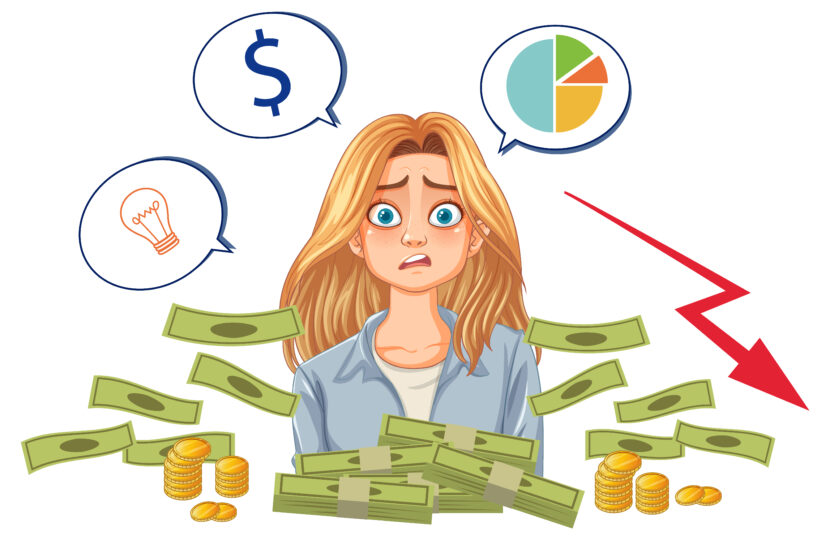
Money stress mental health means understanding how financial fear affects anxiety, sleep, mood, relationships, self-worth, decision-making, and daily peace. Money problems are not only practical concerns. They can become emotional pressure inside the body and mind. Healing begins when fear becomes clearer, planning becomes calmer, and support becomes available.
Money is not only money. For many people, money represents safety, dignity, family responsibility, independence, health care, education, marriage planning, future security, social respect, and the ability to make choices. Therefore, when money feels uncertain, the mind may not experience it as a simple calculation. It may experience it as a threat.
This is why money stress mental health matters. Financial pressure can affect the nervous system, sleep, mood, confidence, relationships, and decision-making. From outside, a person may look normal. Inside, they may keep calculating expenses, loans, bills, family needs, job security, savings, and future risk.
Money stress can make life feel narrow. The person may stop thinking about growth and start thinking only about survival. As a result, they may become irritable, withdrawn, restless, ashamed, or emotionally tired. Even while working hard, the mind may keep asking, “Will this be enough?”
This article is Day 4 of our Scarcity Mindset Series. We began with Scarcity Mindset Mental Health, then explored Fear of Not Enough, and then discussed Scarcity Mindset in Relationships. Today, we look at how financial fear affects mental health and how a calmer, structured approach can support healing.
What Money Stress Mental Health Means
Money stress mental health means the emotional and psychological impact of financial pressure. It may include anxiety about income, debt, bills, rent, loans, family responsibilities, medical expenses, education costs, career uncertainty, savings, or future security.
Money stress can come from real financial difficulty. A person may genuinely have limited income, rising expenses, job instability, debt, family dependency, or sudden financial loss. These concerns should not be dismissed as “just overthinking.” They need practical attention.
However, financial fear can also become larger than the present reality. The mind may imagine collapse even when planning is possible. It may create worst-case stories before looking at actual numbers. As a result, the person feels trapped before taking the first step.
The American Psychological Association has repeatedly highlighted money and economic concerns as significant sources of stress. This is clinically important because financial stress does not stay only in the bank account. It enters the body, sleep, relationships, and emotional wellbeing.
Why Money Feels Connected With Safety
Money feels connected with safety because it helps meet basic needs. Food, housing, transport, treatment, education, family care, legal responsibilities, and future planning often require money. Therefore, financial uncertainty can activate survival fear.
When money is tight, the mind may become alert. It may ask, “What if something happens?” “What if I cannot manage?” “What if I fail my family?” “What if I lose respect?” or “What if I never become stable?”
This fear is understandable. Human beings need predictability. When finances are unpredictable, the nervous system may remain tense.
However, fear alone does not create safety. Planning, support, skills, honest discussion, and step-by-step structure create safety. Therefore, money stress mental health needs both emotional regulation and practical financial clarity.
Money Stress Mental Health and Anxiety
Money stress can easily become anxiety. The person may keep thinking about bills, debt, salary, expenses, savings, job security, or future needs. Even during rest, the mind may continue calculating.
Anxiety often asks “what if” questions. What if income stops? What if a medical emergency comes? What if the loan increases? What if the family needs more? What if I cannot provide? What if I fall behind others?
Some thinking is necessary. However, when thinking repeats without action, it becomes worry. The person may feel mentally exhausted, yet still not clearer.
The American Psychological Association’s information on anxiety describes anxiety as involving worried thoughts, tension, and physical changes. Financial fear can activate all three. The mind worries, the body tightens, and the person feels emotionally unsafe.
Money Stress Mental Health and Sleep
 Sleep often suffers when financial fear increases. At night, the room becomes quiet, but the mind becomes louder. Expenses, pending payments, EMIs, family needs, business uncertainty, and future planning may begin moving inside the mind.
The person may feel tired but unable to sleep. They may wake early with worry. They may also check messages, bank balances, business updates, or work notifications late at night. Slowly, sleep becomes disturbed.
Poor sleep then makes money stress feel worse the next day. The tired mind has less emotional strength. Small expenses may feel larger, small delays may feel dangerous, and decision-making may become weaker.
The Sleep Foundation explains that anxiety and sleep problems often influence each other. This connection matters because financial worry can disturb sleep, and poor sleep can increase financial worry.
How Financial Fear Affects the Body
Money stress does not remain only in thoughts. The body also carries it. A person may feel chest tightness, headache, acidity, jaw tension, muscle stiffness, restlessness, fatigue, or heaviness.
Some people become hyperactive under financial stress. They keep working, planning, calling, checking, calculating, and moving. Others freeze. They may avoid accounts, delay conversations, ignore bills, or postpone decisions because the fear feels too heavy.
Both reactions are understandable. The nervous system may go into fight, flight, or freeze mode when money feels like danger.
This is why calming the body is part of financial healing. Before making a plan, the person may need to breathe, slow down, write facts clearly, and reduce panic. A regulated body can think better than an alarmed body.
Money Stress and Shame
Money stress often creates shame. A person may feel embarrassed that they are not earning enough, saving enough, repaying fast enough, supporting family enough, or progressing like others.
This shame can become silent. The person may avoid discussing money because they fear judgment. They may pretend everything is fine, avoid relatives or social gatherings, and feel smaller inside.
Shame is painful because it attacks identity. The person does not only think, “I have a financial problem.” They begin thinking, “I am a failure.”
The NHS guidance on low self-esteem explains how negative beliefs can affect how people feel about themselves. Financial shame can feed such beliefs. Therefore, therapy often helps separate financial difficulty from personal worth.
Money Stress Mental Health and Self-Worth
Financial stress can affect self-worth deeply. Many people measure themselves by income, job title, savings, property, lifestyle, social status, or the ability to provide for family.
When money feels unstable, the person may feel personally inadequate. They may think, “I am not successful,” “I am not good enough,” “I am behind,” or “I have failed.”
This is emotionally dangerous because money becomes the only mirror of identity. A person is more than their income. Their worth also includes effort, values, care, learning, honesty, resilience, and the willingness to rebuild.
A healthier thought is: “My financial situation needs attention, but my worth is not cancelled.” This sentence does not deny reality. It protects dignity while the person works on the problem.
Money Stress Mental Health and Relationships
 Money stress often affects relationships. Couples may argue about expenses, savings, lifestyle, family support, debts, business decisions, or financial secrecy. Parents may feel pressure from children’s needs. Adult children may feel burdened by family expectations. Siblings may compare contributions.
Sometimes money becomes a hidden emotional language. One person may say, “You spend too much,” but the deeper feeling may be fear. Another may say, “You do not understand,” while the deeper feeling may be loneliness. Anger may also come from feeling unsupported.
Financial conversations can become heated because money touches safety, control, trust, and dignity. Therefore, respectful communication is essential.
The NHS guidance on maintaining healthy relationships and mental wellbeing emphasizes open conversation, listening, respect, and support. These qualities are important when couples or families discuss money.
When Money Becomes Relationship Conflict
In relationships, money conflict is rarely only about numbers. It may involve power, responsibility, fairness, sacrifice, secrecy, family loyalty, personal freedom, or emotional security.
One partner may want saving, while the other wants comfort. One may support parents, while the other feels neglected. One may avoid financial discussion, while the other feels unsafe without clarity. In another case, one may feel controlled while the other feels burdened.
Instead of accusing, couples need calmer questions. What is the actual financial situation? What are the shared and individual responsibilities? What is urgent? What can wait? What emotional fear is underneath the conflict?
When money conversations become safer, couples can move from blame to planning. This protects both mental health and relationship health.
Money Stress and Family Responsibility
In Indian families, money stress often includes family responsibility. A person may not earn only for themselves. They may support parents, spouse, children, siblings, medical needs, education, marriage expenses, loans, rent, or household responsibilities.
This can create intense pressure. Even when the person is trying sincerely, they may feel that family needs are endless. They may also feel guilty when they cannot meet every expectation.
Family responsibility is meaningful, but it should not destroy mental health. Families need honest discussion, realistic expectations, shared responsibility where possible, and respect for the earning person’s emotional capacity.
A person can care for family and still need boundaries. They can support others and still need rest. They can be responsible and still say, “This is what I can manage right now.”
Financial Comparison and Social Pressure
Comparison increases money stress. A person may compare salary, car, house, travel, clothes, wedding, school, lifestyle, business growth, or social media posts.
This comparison may create the feeling of being behind. The person may think, “Everyone is doing better,” “I have not achieved enough,” or “My life is smaller.” Such thoughts can increase anxiety and low self-worth.
However, comparison is often incomplete. We may see someone’s lifestyle but not their debt. We may see their success but not their struggle. We see the visible outcome, not the hidden cost.
Money stress mental health improves when the person returns to their own reality. The question should not be, “Why am I not like them?” The better question is, “What is my situation, and what is my next responsible step?”
Debt, Loans, and Emotional Pressure
Debt can create heavy emotional pressure. Loans, credit card dues, business losses, unpaid bills, or borrowed money can make the person feel trapped.
Debt pressure often creates avoidance. The person may stop checking balances, delay calls, ignore reminders, or avoid family discussion. This gives temporary relief but usually increases stress later.
A calmer approach begins with writing the facts. How much is owed? To whom? What is urgent? What is negotiable? What minimum payment is possible? What expense can be reduced? What income step can be explored?
Debt becomes less terrifying when it becomes visible and structured. It may still be difficult, but clarity reduces helplessness.
Work Pressure and Financial Fear
Money stress can push people into unhealthy work pressure. A person may work without rest, accept poor treatment, tolerate unrealistic demands, or fear saying no because they worry about income.
This can lead to burnout. The person may become tired, irritated, emotionally numb, or physically unwell. They may continue working, but their mental health begins to decline.
Work is important. Earning is important. However, the body and mind also need recovery. Without rest, the person may lose the very capacity needed to work well.
A healthier work approach includes skill growth, time structure, realistic planning, boundaries, and recovery. Financial stability should not come at the cost of complete emotional collapse.
Money Stress and Addiction Risk
Money stress can increase addiction risk for some people. A person may use alcohol, drugs, gambling, pornography, shopping, or online escape to temporarily reduce pressure.
In gambling, financial fear may create dangerous thinking: “One win can fix everything.” In substance use, stress may create the thought: “I need relief now.” Similarly, emotional emptiness may turn into impulsive shopping.
These behaviours may create short relief but long-term damage. They can worsen debt, guilt, secrecy, family conflict, and emotional instability.
Recovery requires honesty. Money stress must be discussed clearly in therapy and family support where appropriate. Avoiding the financial reality can keep the addiction cycle alive.
Money Stress Mental Health and Decision-Making
Financial fear can affect decision-making. Some people rush because they fear missing opportunity. Others freeze because every option feels risky.
A person may accept unsafe investments, unsuitable jobs, unhealthy partnerships, or high-pressure loans because panic says, “Do something quickly.” Another person may avoid all action because fear says, “What if you fail?”
Both rushing and freezing can create harm. A better decision-making process requires calm review, facts, options, time, and advice from the right people.
When the mind is anxious, every decision feels urgent. However, not every urgent feeling is an urgent reality. Slowing down can protect the person from fear-based choices.
Practical Steps for Money Stress Mental Health
Start by writing the facts. Do not keep everything only in the mind. Write income, expenses, debt, savings, responsibilities, and urgent payments. Facts on paper are easier to handle than fears in the head.
Then, separate real problems from fear stories. A real problem may be: “My monthly expenses are higher than my income.” A fear story may be: “My life is finished.” Real problems need planning, while fear stories need regulation.
Create a small plan. Reduce one unnecessary expense. Discuss one financial responsibility. Pay one urgent bill. Explore one skill or income step. Also, ask for guidance if needed.
Avoid late-night financial panic. If possible, do money planning during the day when the mind is more regulated. Night is often not the best time for serious financial decisions.
Finally, protect dignity. Financial struggle is not personal failure. It is a situation that needs structure, support, and time.
From Financial Fear to Financial Clarity
The opposite of money stress is not unlimited wealth. It is financial clarity. A person may not have everything solved, but they can know what they are dealing with.
Financial clarity means knowing the numbers, understanding the responsibilities, identifying the next step, and reducing avoidance. It also means speaking honestly where needed.
Clarity reduces imagination. When facts are unknown, fear expands. When facts are written, the mind can begin planning.
This is important for money stress mental health because emotional calm grows when uncertainty reduces. The situation may still be challenging, but the person no longer feels completely blind.
When to Seek Professional Help
Professional help is important when money stress causes persistent anxiety, sleep disturbance, low mood, panic, relationship conflict, addiction risk, self-harm thoughts, or inability to function.
A therapist can support emotional regulation and practical thinking. Meanwhile, a financial advisor, accountant, legal professional, or debt counsellor may help with technical financial planning. Both types of support may be needed.
Please do not wait until stress becomes unbearable. Early support can prevent emotional and practical problems from becoming larger.
Money stress is not something to hide in shame. It is something to understand, organize, and address step by step.
Money Stress Mental Health and Therapy
Therapy helps when money stress becomes emotionally overwhelming. A therapist does not replace financial planning, but therapy can help the person think more clearly and respond more calmly.
In therapy, the person can explore fear, shame, family pressure, comparison, addiction risk, self-worth, avoidance, and decision-making patterns. They can understand why money feels so emotionally charged.
Therapy can also help the person create a realistic routine, regulate the body, improve communication, and reduce panic. As a result, practical financial action becomes easier.
The deeper goal is not to deny financial reality. The goal is to face reality without emotional collapse.
How a Therapist Can Help You
A therapist can help you understand how money stress mental health is affecting your anxiety, sleep, mood, relationships, self-worth, body tension, and decision-making. Therapy can support emotional regulation, shame reduction, family communication, boundary-setting, addiction-risk awareness, and practical planning. With the right support, financial fear can become clearer and more manageable.
Welcome to Live Again
Welcome to Live Again. Live Again India Mental Wellness is supporting you — you are not alone. If financial fear, debt, comparison, family pressure, or income uncertainty is affecting your mental peace, support is available. Money stress mental health can be understood and handled step by step. Your worth is not defined only by money, and your future can still be rebuilt with clarity, structure, and hope.
Today’s Reflection From The Therapy Room
In therapy, many people do not speak about money only as money. They speak about fear, dignity, family pressure, shame, responsibility, comparison, and the deep wish to feel safe.
Financial stress becomes heavier when it remains hidden. The mind keeps calculating alone. The body keeps carrying tension. Meanwhile, the person keeps smiling outside while feeling unsafe inside.
Healing begins when the fear becomes speakable. It begins when numbers are written, shame is reduced, support is taken, and the person stops treating financial difficulty as personal worthlessness.
This is the deeper value of money stress mental health: it helps us understand that financial fear needs both practical structure and emotional care.
Upcoming in This Week’s Scarcity Mindset Series
This article is Day 4 of our weekly scarcity mindset series. Tomorrow, we will continue this theme with:
Day 5: Abundance Mindset Mental Health: How Inner Safety Supports Growth
This final article will explore how inner safety, enoughness, gratitude, realistic hope, and practical growth can help the mind move beyond scarcity fear.
Related Reading: Fear of Not Enough
L@A