Addiction And Emotional Suppression: What Men May Be Trying Not to Feel
Addiction is often judged only by visible behaviour. Families may notice drinking, smoking, intoxication, unexplained spending, lying, borrowing money, broken promises, repeated disappearances, or neglected responsibilities. Yet these behaviours do not always reveal the full psychological story. For some men, substance use gradually becomes a way to silence fear, shame, grief, rejection, loneliness, anger, trauma, or emotional emptiness. This is where Addiction And Emotional Suppression become closely linked.
Understanding this connection does not excuse harmful behaviour or remove responsibility for treatment, honesty, parenting, finances, safety, or relationships. Instead, it helps us ask a more useful question:
Apart from the substance itself, what emotional experience is the person trying not to feel?
Before exploring that question, five basic concepts need to be understood.
Five Basic Questions About Substance Addiction
1. What Is a Substance?
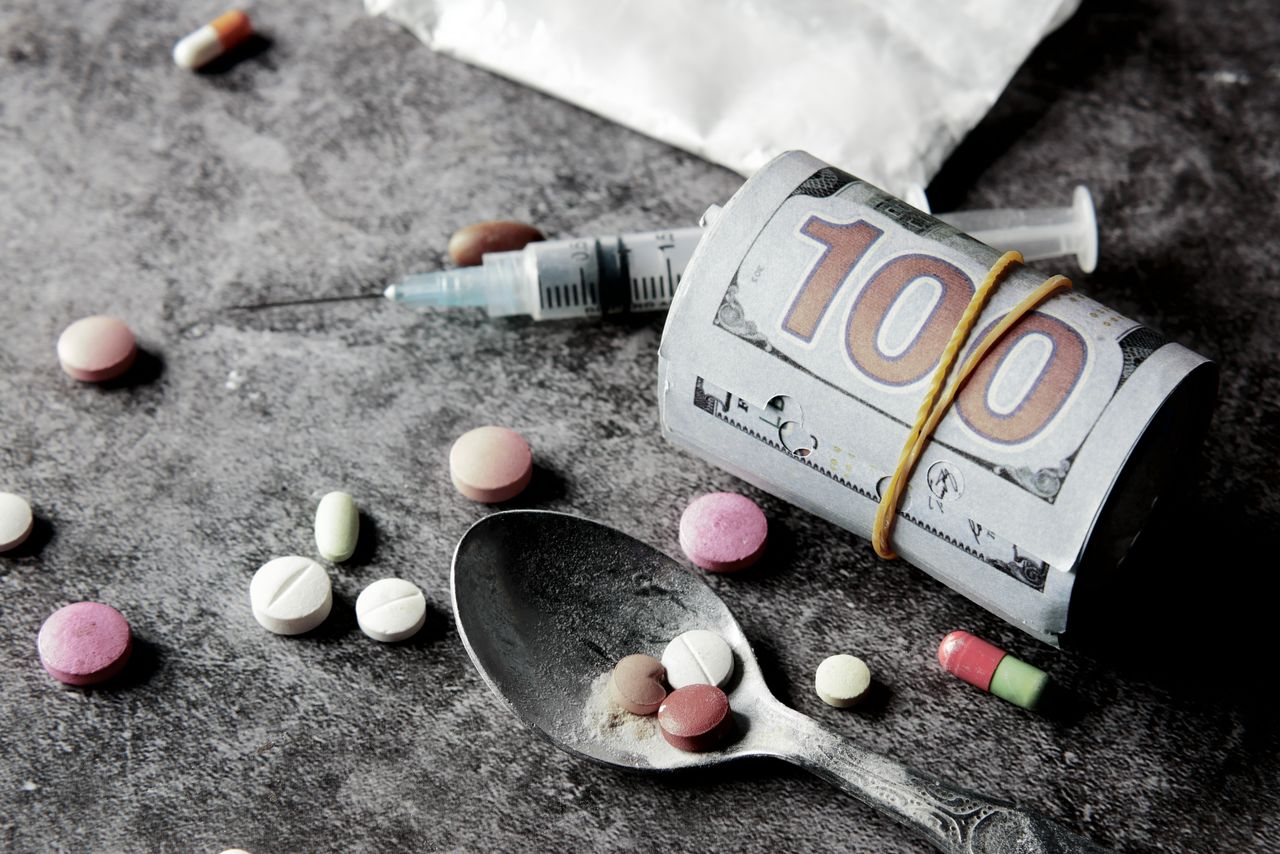
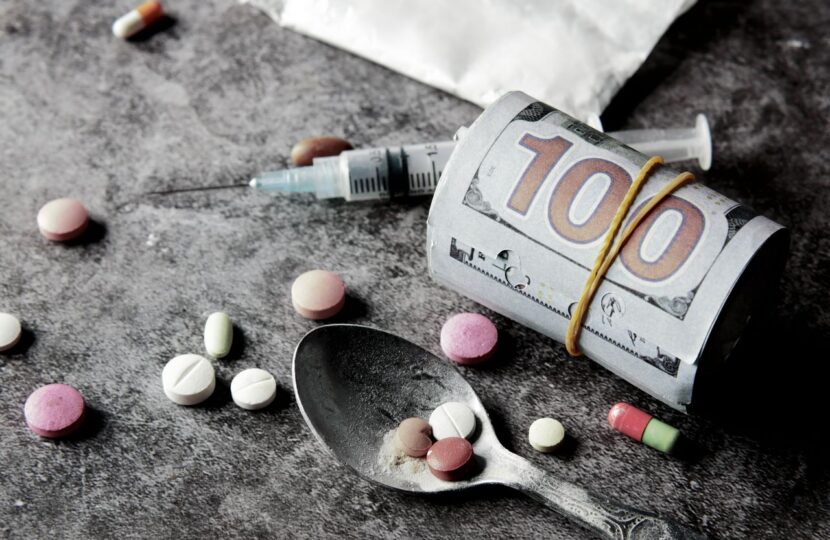
A substance is a chemical that affects the brain, body, mood, perception, behaviour, judgment, or consciousness when consumed.
Examples include:
- alcohol;
- nicotine and tobacco products;
- cannabis;
- opioids such as heroin or misused prescription pain medicines;
- cocaine, methamphetamine, and other stimulants;
- sedatives and sleeping medicines;
- inhalants;
- hallucinogens;
- prescription medicines taken without medical guidance.
The World Health Organization describes psychoactive substances as chemicals that affect mental processes such as mood, perception, cognition, and consciousness.
Some substances are legal, some are illegal, and some are prescribed for medical reasons. However, legality does not determine safety. A prescribed medicine can become harmful when misused, and an illegal substance does not automatically cause addiction in every user.
Risk depends on factors such as the substance itself, frequency of use, mental health, genetics, environment, and life circumstances.
2. What Is Addiction?
Addiction is a condition in which a person develops a powerful urge to continue using a substance or engaging in a behaviour despite significant harm.
Many people genuinely want to stop but struggle because of craving, withdrawal, emotional distress, habit formation, environmental triggers, and changes in brain systems involved in reward and self-control.
The National Institute on Drug Abuse describes addiction as a chronic, relapsing disorder involving compulsive drug seeking and use despite harmful consequences.
Addiction is therefore more complex than weak willpower. At the same time, recognising addiction as a health condition does not remove personal responsibility. Recovery still requires honesty, treatment engagement, and active participation in change.
3. What Is Substance Addiction?
Substance addiction refers to a pattern in which alcohol, nicotine, cannabis, opioids, stimulants, sedatives, or another psychoactive substance becomes increasingly difficult to control.
Professionals often use the term substance use disorder. Common features may include:
- strong cravings;
- repeated unsuccessful attempts to stop;
- reduced control over use;
- tolerance;
- withdrawal symptoms;
- increasing time spent obtaining or using the substance;
- neglect of responsibilities;
- continued use despite harm;
- risky behaviour while intoxicated;
- loss of interest in meaningful activities.
Not everyone who uses a substance has an addiction. Diagnosis depends on the overall pattern, level of impairment, consequences, and professional assessment.
4. Who Is Addicted? or Dependent?
A person may be experiencing addiction when substance use becomes compulsive, difficult to control, or repeatedly harmful.
Warning signs include:
- using more than intended;
- inability to maintain decisions to stop;
- powerful cravings;
- organising life around substance use;
- secrecy or dishonesty;
- continued use despite harm;
- tolerance or withdrawal;
- neglected responsibilities;
- dangerous behaviour while intoxicated;
- repeated return to use after serious consequences.
Rather than defining someone as “an addict,” it is often more respectful and clinically accurate to say a person experiencing addiction or a person with a substance use disorder.
The person is more than the condition.
5. Am I Addicted? or Dependent?
Honest self-reflection can be helpful when substance use begins to feel necessary rather than optional.
Ask yourself:
- Do I regularly use more than planned?
- Have I repeatedly failed to stop or reduce?
- Do I experience strong cravings?
- Do I need more than before to get the same effect?
- Do I feel unwell when I stop?
- Has my use affected health, work, finances, or relationships?
- Do I hide or minimise my use?
- Am I mainly using to manage difficult emotions?
- Have I continued despite knowing it is harmful?
- Has substance use become more important than my values or responsibilities?
One “yes” does not confirm addiction. However, several repeated signs suggest that a professional assessment would be worthwhile.
Addiction And Emotional Suppression: Why the Connection Matters
Once these basics are understood, another question emerges:
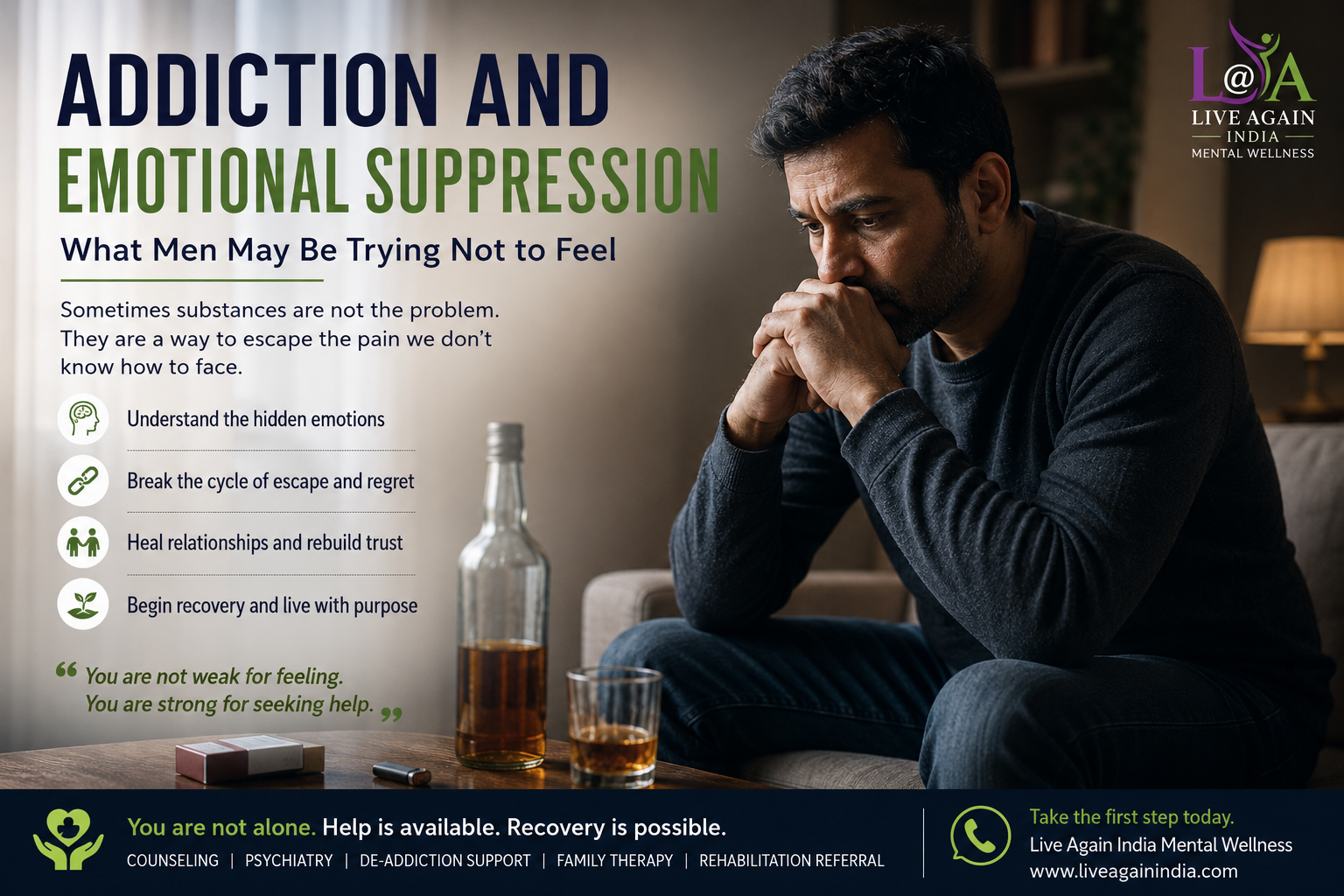
What is the substance helping the person avoid, suppress, tolerate, or forget?
Addiction is not always driven by pleasure. Sometimes it begins as an attempt to escape emotions that feel overwhelming, painful, shameful, or unsafe to express.
Alcohol may quiet social anxiety. Cannabis may create distance from painful thoughts. Opioids may produce emotional numbness. Stimulants may temporarily increase confidence and energy. Nicotine may provide brief relief from tension.
The substance gradually becomes more than a chemical. It becomes a coping strategy.
The problem is that the emotion is postponed rather than resolved. Over time, craving, dependence, secrecy, guilt, and impairment may grow stronger.
This is why effective treatment asks not only, “What substance is being used?” but also, “What emotional need is it serving?”
Why Some Men Learn to Suppress Emotions
Many boys receive messages about which emotions are acceptable.
Anger may be tolerated because it appears strong, while sadness, fear, loneliness, helplessness, or shame may be discouraged. Boys may be told to stay tough, stop crying, or solve problems alone.
As adults, some men recognise tension but not fear, irritation but not grief, or exhaustion but not emotional overwhelm.
This does not mean all men suppress emotions. However, social expectations can create barriers to emotional awareness and help-seeking.
In India, additional pressures may include financial responsibility, family expectations, professional competition, and the belief that vulnerability should remain hidden.
When emotional language is limited, substances can become a substitute language.
“I need a drink” may mean, “I cannot switch off.”
“I need a smoke” may mean, “I feel anxious.”
“I need to get high” may mean, “I do not want to remember.”
When Substances Become Emotional Tools
Substance use often becomes linked to specific emotional states:
- alcohol after conflict or stress;
- cannabis during loneliness or emptiness;
- cocaine before demanding social situations;
- opioids during grief or emotional pain;
- sedatives during panic or insomnia;
- nicotine during tension or uncertainty.
Repeated pairing strengthens the connection between emotion and substance. Eventually, the feeling itself becomes a trigger.
The cycle often looks like this:
Trigger → emotional discomfort → craving → substance use → temporary relief → consequences → shame → renewed discomfort
This helps explain why “just stop” is rarely enough. Removing the substance does not automatically resolve the anxiety, grief, trauma, shame, depression, or loneliness underneath it.
Short-Term Relief and Long-Term Emotional Cost

Substances can temporarily create calmness, numbness, confidence, excitement, emotional warmth, or detachment.
However, temporary relief does not solve the original problem.
Substance addiction may offer short-term relief or gratification, but continued harmful use often creates long-term emotional, physical, relational, and financial pain.
The more often emotions are escaped, the fewer opportunities a person has to understand and regulate them. This is another important link between Addiction And Emotional Suppression.
Over time:
- anxiety may become harder to tolerate;
- sadness may deepen;
- anger may become more explosive;
- sleep may depend on the substance;
- confidence may feel impossible without intoxication;
- relationships may become organised around secrecy;
- life may feel emotionally flat.
The substance that once seemed to provide freedom can gradually reduce emotional freedom.
Addiction And Emotional Suppression: Signs That a Substance May Be Carrying an Emotion
A substance may be serving an emotional function when:
- use increases after rejection, criticism, or conflict;
- the person says they cannot relax without it;
- cravings intensify during loneliness or shame;
- difficult conversations are avoided through intoxication;
- grief or trauma is repeatedly numbed;
- emotions return more strongly after use;
- sobriety feels empty or overwhelming;
- relapse follows humiliation, conflict, or loss.
These signs do not prove addiction, but they suggest that recovery must address more than the substance itself.
Addiction And Emotional Suppression: Shame, Secrecy, and the Addiction Cycle
Shame often becomes both a consequence and a trigger.
People may feel ashamed about using, lying, borrowing money, neglecting responsibilities, or hurting loved ones. Instead of seeking support, they hide the behaviour.
After substance use, guilt may become intense. Promises are made, apologies follow, and change is attempted. Yet if the underlying emotional triggers remain untreated, the cycle often repeats.
Families may respond with anger, pleading, threats, surveillance, or repeated rescue attempts. While these reactions usually arise from fear, they may unintentionally maintain the cycle.
Recovery requires honesty without humiliation. Accountability matters, but shame is not treatment.
Addiction And Emotional Suppression in Indian Families
Addiction rarely affects only one person. It often changes the emotional functioning of the entire family.
Partners may become hyper-alert to spending, behaviour, sleep patterns, or mood changes. Parents may repeatedly rescue the person from consequences. Children may learn to stay quiet or protect family secrets.
Trust weakens, finances suffer, and emotional intimacy declines.
Some families avoid seeking help because of concerns about reputation, marriage prospects, employment, or social judgment. Unfortunately, silence often allows the problem to worsen.
Supportive involvement includes encouraging treatment, maintaining boundaries, protecting children and finances, and refusing to conceal dangerous behaviour.
Understanding Emotional Pain Does Not Excuse Harm
Trauma, grief, depression, rejection, or emotional neglect may help explain why substance use began. They do not excuse violence, threats, theft, unsafe driving, neglect, or abuse.
Family members have the right to establish boundaries, including:
- no driving while intoxicated;
- no violence or threats;
- no access to shared money for substances;
- no childcare responsibilities while intoxicated;
- medical assessment when withdrawal or overdose risk exists;
- separate living arrangements when safety cannot be maintained.
Compassion and accountability must work together.
Withdrawal and Medical Safety
Stopping some substances suddenly can be dangerous.
Alcohol and sedative withdrawal may involve severe agitation, hallucinations, confusion, or seizures. Opioid withdrawal can be intensely uncomfortable and increase relapse risk. Stimulant withdrawal may cause exhaustion, low mood, irritability, and strong cravings.
Anyone using heavily, using multiple substances, or with a history of seizures, overdose, hallucinations, or serious illness should seek professional medical guidance before stopping abruptly.
Detoxification is only the beginning of recovery, not the entire treatment.
Addiction And Emotional Suppression: Recovery Requires More Than Abstinence
Reducing or stopping substance use is often necessary, but recovery involves more than abstinence.
People also need to learn how to:
- recognise emotions;
- tolerate distress without immediate escape;
- identify triggers;
- communicate needs effectively;
- process grief, trauma, loneliness, and shame;
- manage cravings;
- rebuild healthy routines;
- repair relationships;
- develop meaning and purpose beyond substance use.
This is why treatment for Addiction And Emotional Suppression must address both the addictive behaviour and the emotional function behind it.
The National Institute on Drug Abuse notes that relapse may indicate the need for treatment to be resumed, adjusted, or intensified rather than abandoned.
Addiction And Emotional Suppression: Practical First Steps Towards Recovery
Start by observing the pattern honestly. Record:
- the substance used;
- the amount;
- the timing;
- the emotional trigger;
- the immediate effect;
- the later consequence.
Identify high-risk situations such as:
- weekends;
- loneliness;
- conflict;
- travel;
- easy access to money;
- rejection;
- sleep deprivation;
- unstructured time.
Reduce immediate risks. Avoid driving while intoxicated and avoid mixing substances without medical guidance.
Speak openly with an addiction psychiatrist, physician, psychologist, or qualified treatment service. Accurate information is essential for safe assessment and treatment.
Finally, build a structured recovery plan that includes medical care, psychological support, family boundaries, healthy routines, nutrition, exercise, craving management, and relapse prevention.
Guidance for Families
Choose a calm and sober time for conversation. Focus on specific behaviours and their impact rather than attacking the person’s character.
Avoid arguing during intoxication. Protect children, finances, medicines, and vulnerable family members when risk is present.
Do not repeatedly hide consequences, repay secret debts, or lie to employers. Support should encourage treatment and responsibility rather than protect continued substance use.
Family members may also benefit from counselling. Living with addiction can create fear, anger, exhaustion, guilt, confusion, and trauma.
Addiction And Emotional Suppression: Professional Treatment and Recovery Support
The World Health Organization and United Nations Office on Drugs and Crime recommend comprehensive, evidence-informed treatment systems for substance-use disorders.
Depending on individual needs, treatment may include:
- medical assessment and detoxification;
- psychiatric evaluation;
- medication when indicated;
- motivational enhancement;
- cognitive and behavioural therapy;
- trauma-informed treatment;
- craving-management strategies;
- relapse-prevention planning;
- family intervention;
- peer support;
- outpatient, inpatient, or residential rehabilitation.
The Centre for Addiction Medicine at NIMHANS / www.tulasihealthcare.com / and other psychiatric rehabilitation centers and hospitals provides multidisciplinary assessment, detoxification, rehabilitation, family intervention, and continuing recovery support.
For professional guidance related to Addiction And Emotional Suppression, relapse, or family distress, please contact Live Again India Mental Wellness. Appropriate psychological, psychiatric, medical, or rehabilitation support can be considered according to individual needs.
If there is unconsciousness, slow breathing, suspected overdose, a seizure, severe confusion, hallucinations, violent behaviour, or immediate risk of self-harm, seek emergency medical assistance without delay.
How a Therapist Can Help You
A therapist can help you understand the connection between Addiction And Emotional Suppression, including the emotions, memories, situations, and relationships that trigger substance use. Therapy can strengthen emotional awareness, distress tolerance, communication skills, craving management, and relapse prevention. It can also address anxiety, depression, trauma, grief, shame, or loneliness that may be maintaining the cycle. When physical dependence or withdrawal risk is present, therapy should work alongside appropriate psychiatric and medical care.
Welcome to Live Again
Welcome to Live Again. Live Again India Mental Wellness supports individuals and families with compassion, respect, responsibility, and psychological understanding. If substances have become a way of escaping emotions, you do not have to remain trapped between craving and shame. Timely support can help you understand the pattern, protect your relationships, and move towards recovery with greater honesty and dignity.
Previous Article in the Series
This article continues our Men’s Mental Health India series.
Read the previous article: Alcohol And Men’s Mental Health: When Drinking Becomes Emotional Escape.
You may also read: Emotional Suppression In Men: Why Men Hide Their Feelings.
Today’s Reflection From The Therapy Room
Sometimes the substance is not the deepest problem. Sometimes it is the temporary answer a person found for an emotion they never learned to hold. Recovery begins when a safer answer becomes possible.
L@A