Intimacy Issues In Men: When Closeness Becomes Difficult
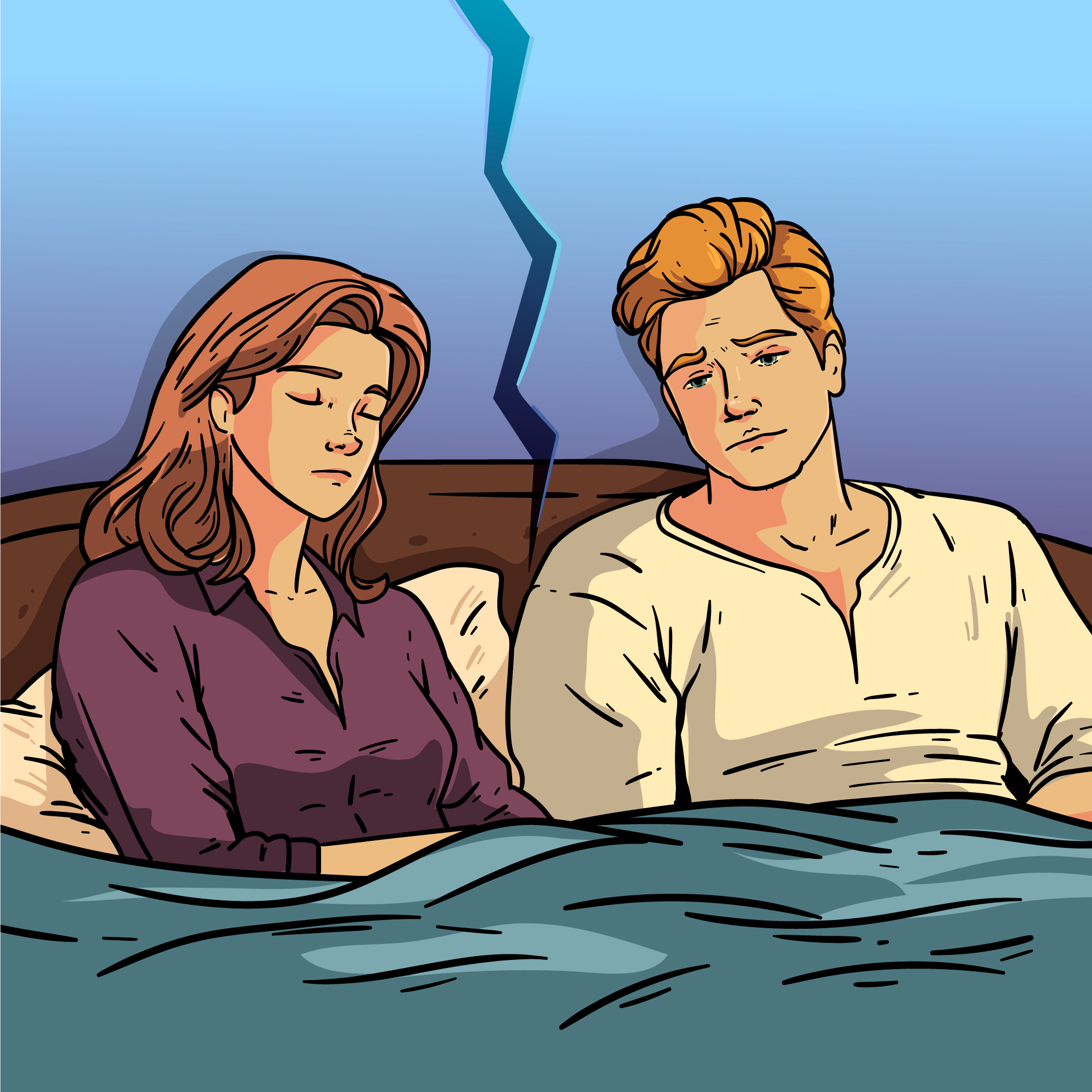
Intimacy Issues In Men: Sometimes the hardest thing in a relationship is not a dramatic fight. It is the quiet moment when two people are sharing the same bed, the same home, and the same daily life, yet no longer feeling close in the way they once did. He may still care deeply, still want the relationship to work, and still remain responsible in visible ways. Yet when closeness is expected, something inside him tightens. Touch may begin to feel pressured instead of comforting. Conversation may start feeling risky instead of natural. His partner may feel rejected, and he may feel ashamed, confused, or emotionally cornered.
This is often how Intimacy Issues In Men begin to take shape. Not always through obvious conflict, but through hesitation, silence, emotional strain, and the quiet loss of ease between two people. He may not know how to explain what has changed. Often, his partner may not know how to understand it either. Both may feel the distance, but neither may yet have safe language for it.
When Closeness Starts Feeling Uncertain
Many men do not speak openly about intimacy concerns because the subject touches pride, masculinity, vulnerability, fear of rejection, and fear of disappointing the person they love. Instead of saying, “I feel anxious,” “I feel emotionally unsafe,” “I feel ashamed,” or “I do not know why closeness has become difficult,” they may withdraw, delay, avoid, stay busy, or become irritable. The partner may feel rejected. The man may feel pressured. Over time, silence can begin to organise the relationship around what neither person is saying clearly.
This is why Intimacy Issues In Men deserve mature and compassionate attention. Intimacy is not only about intercourse or sexual performance. It includes emotional openness, affectionate touch, trust, warmth, comfort with vulnerability, and the ability to feel emotionally near another person without fear. A man may care deeply for his partner and still struggle with intimacy because shame, unresolved hurt, low confidence, stress, depression, anxiety, trauma, fatigue, medical concerns, or relationship tension have entered the space between them.
Intimacy Issues In Men Are Not Only About Sex
People often reduce intimacy problems to one narrow question: “Is there a sexual problem or not?” That approach is too limited. Sexual functioning may be one part of the issue, but intimacy is broader than performance. A man may still be physically capable yet feel emotionally distant. Another man may have low desire not because love is absent, but because stress, resentment, fear, shame, or depression have drained his capacity for closeness.
The World Health Organization describes sexual health in a broad way that includes wellbeing, respect, safety, and freedom from coercion and violence. The NHS overview of low libido and the NHS guidance on erection problems also show that stress, mood, relationship strain, and physical health can affect sexual concerns. That broader understanding matters. Intimate life is not a machine that simply fails or works. The body, the mind, relationship safety, past experiences, self-worth, health, and communication all influence it. When people speak about Intimacy Issues In Men, they need to look beyond mechanics and ask what emotional, relational, or medical conditions may be affecting closeness.
A man may say “I am tired,” “not now,” or “everything is fine,” while something much more complex is happening inside him. He may feel criticised, emotionally unsafe, physically self-conscious, sexually anxious, mentally overloaded, or quietly resentful. If people treat the problem only as lack of desire, they may miss the deeper pattern.
Why Intimacy Issues In Men Carry So Much Shame
Shame is one of the strongest emotional forces in male intimacy. Many men grow up with the belief that they should always be confident, sexually capable, emotionally controlled, ready for intimacy, and able to satisfy their partner without difficulty. These ideas are often unrealistic, but they shape how men judge themselves.
When reality becomes more complicated—when desire drops, anxiety increases, erection becomes inconsistent, closeness feels difficult, or emotional distance starts growing—the man may not simply feel concerned. Instead, he may feel defective. He may also fear that his partner will think he is weak, inadequate, disinterested, or “less of a man.” That fear often pushes him further into silence.
This is one reason Intimacy Issues In Men can worsen over time. The original difficulty may be manageable, but the shame around it becomes heavier. A man who feels ashamed often stops talking, stops asking questions, stops seeking help, and starts hiding. Meanwhile, the partner may create her own explanation. She may think he is no longer attracted, no longer loyal, no longer interested, or no longer emotionally invested. Silence then grows thicker around both of them.
Emotional Distance and Intimacy Issues In Men
Emotional closeness and physical closeness often influence each other. When a relationship carries repeated criticism, mistrust, resentment, unresolved arguments, humiliation, or silence, intimacy may start feeling tense instead of nourishing. The body often follows the emotional climate of the relationship.
A man may remain in the relationship physically while withdrawing emotionally. He may stop sharing fear, stop expressing tenderness, stop initiating touch, or stop making himself emotionally available. His partner may experience that distance not only as reduced romance, but as loneliness inside the relationship.
Our previous article, Relationship Stress In Men, explained how silence and emotional distance slowly weaken connection. This topic also connects closely with Emotional Numbness In Men and Sleep Deprivation In Men, because emotional shutdown and exhaustion can quietly affect closeness. Intimacy Issues In Men often grow inside that same pattern. When emotional safety weakens, closeness can begin to feel forced, risky, or emotionally exhausting. In such cases, intimacy does not disappear because love is absent. It becomes difficult because the relationship no longer feels emotionally breathable.
Stress, Burnout, and Low Desire
A man under chronic pressure may not have enough internal capacity left for intimacy. Work stress, financial burden, caregiving load, responsibility toward parents, family conflict, business uncertainty, professional pressure, and constant mental preoccupation can reduce emotional availability. He may still care, but his mind may remain elsewhere even while he is physically present.
Burnout can make intimacy feel like another demand rather than a place of rest. When the nervous system is exhausted, even affection may require effort. Warmth, playfulness, desire, and emotional openness do not arise easily in a person who feels mentally depleted every day.
The NHS lists stress, anxiety, depression, relationship problems, sexual problems, hormone changes, and some medicines among causes of low sex drive. This matters because reduced desire should not be interpreted too quickly as lack of love or lack of commitment. Sometimes the person is carrying too much internal strain to feel available for closeness.
This is an important part of Intimacy Issues In Men. Low desire may not begin in the bedroom at all. It may begin in work pressure, emotional overload, unresolved relationship hurt, sleep loss, or quiet exhaustion.
Depression, Anxiety, and Intimacy Issues In Men
Depression, anxiety, trauma, and sleep deprivation can all affect intimacy. Depression may reduce interest, pleasure, confidence, sexual desire, emotional warmth, and motivation. Anxiety may create overthinking, body tension, fear of failure, fear of rejection, and anticipatory worry. Trauma may make closeness feel unsafe or overwhelming. Poor sleep may reduce patience, desire, and emotional regulation.
The National Institute of Mental Health notes that men may show mental-health difficulty through irritability, sleep changes, substance use, physical complaints, emotional flatness, and difficulty feeling positive emotions. The World Health Organization’s mental health overview also reminds us that social, psychological, and biological factors shape mental health, and each of them may influence intimate life. In relationships, these pressures may appear as withdrawal, low desire, reduced affection, avoidance, or repeated tension around closeness.
A man may not say, “I am depressed,” or “I am anxious.” He may say, “I am not in the mood,” “please leave it,” or “I am tired.” These statements may be partially true, but sometimes they are also the surface expression of a deeper emotional problem that has not yet been named.
Performance Anxiety and Fear of Failure
Performance anxiety is one of the most common ways Intimacy Issues In Men become self-reinforcing. A man may start monitoring himself during intimacy: Will I perform properly? Will I satisfy my partner? Will I lose erection? Will I last long enough? Will I embarrass myself? Will this become another disappointment?
The more he observes himself, the less natural intimacy can feel. Closeness becomes evaluation. Touch becomes pressure. The body begins to respond not to connection, but to fear.
One difficult experience may create anxiety about the next one. That anxiety increases muscle tension, distraction, self-consciousness, and bodily pressure. If another difficulty happens, shame deepens. In time, the man may avoid intimacy altogether because avoidance feels safer than possible failure.
The NHS guidance on erection problems explains that erection difficulty can be linked with stress, tiredness, alcohol, medicines, and health conditions such as diabetes, high blood pressure, anxiety, depression, and hormone-related factors. This means repeated sexual difficulty deserves proper assessment rather than silence, ridicule, or self-blame.
Medical Causes Should Not Be Ignored
Not all intimacy concerns arise from psychology alone. Physical health can strongly affect desire, energy, erection, arousal, confidence, and general closeness. Diabetes, high blood pressure, obesity, high cholesterol, thyroid problems, chronic pain, hormonal changes, neurological illness, sleep disorders, alcohol use, smoking, and medication effects may all play a role.
Some medicines—including selected antidepressants and blood-pressure medicines—may affect desire, arousal, erection, orgasm, or energy in some individuals. This does not mean anyone should stop medication abruptly. The person should discuss such concerns with the prescribing doctor.
A man should consider medical assessment when changes are persistent, when physical symptoms are present, when fatigue is significant, when desire changes sharply, or when sexual difficulty becomes frequent. In many cases, Intimacy Issues In Men require both psychological understanding and medical review.
Pornography, Screens, and Intimate Disconnection
Pornography, compulsive screen use, gaming, or endless scrolling may sometimes influence intimate life. This is not because every screen habit is pathological. Concern grows when the behaviour becomes secretive, compulsive, emotionally numbing, difficult to control, or more appealing than real closeness.
For some men, screens become a place of escape from stress, loneliness, rejection, boredom, anxiety, or relationship discomfort. Over time, ordinary intimacy may begin to feel more emotionally demanding and less immediately stimulating than private digital escape. This can produce secrecy, shame, comparison, and reduced presence with the partner.
The clinically useful question is not only whether a behaviour is morally approved or disapproved. It is whether the behaviour is damaging trust, reducing real-life closeness, increasing secrecy, weakening self-control, or replacing emotional connection. When the answer is yes, professional support may help clarify the pattern.
Intimacy Issues In Men in the Indian Family Context
In many Indian households, intimacy is rarely discussed openly. Couples may live with parents, children, or relatives. Privacy may be limited. Daily life may remain crowded with responsibilities, expectations, household routines, family roles, and social observation. Emotional and physical closeness can become difficult not because affection is absent, but because the relationship has little protected space in which closeness can grow.
Men may also carry multiple layers of pressure at once: provider, son, husband, father, decision-maker, and emotional stabiliser. A man may feel pulled between partner, parents, finances, work, and family image. If he feels criticised by one side and responsible for all sides, emotional withdrawal may slowly become his way of coping.
Women may experience this withdrawal as rejection. Men may experience repeated requests for closeness as pressure. Both people may feel lonely inside the same relationship. This is why Intimacy Issues In Men need cultural sensitivity. Advice that ignores privacy, family structure, gender expectation, and social pressure may sound correct in theory yet fail in real Indian life.
Consent, Safety, and Respect
No discussion of intimacy is complete without consent and safety. Intimacy must remain respectful, voluntary, and free from force, threat, coercion, humiliation, or violence. Marriage or long-term partnership does not remove the need for consent.
Stress, low desire, frustration, sexual difficulty, trauma, alcohol use, or conflict do not justify forced sexual behaviour, intimidation, aggression, or emotional cruelty. If fear, coercive control, physical violence, dangerous intoxication, forced sexual contact, serious threat, or risk to children is present, safety must come first.
For psychological guidance and appropriate referral, contact Live Again India Mental Wellness. You may also read Loneliness In Men if emotional isolation is also part of the pattern. If there is immediate danger, serious self-harm risk, violence, poisoning, unconsciousness, or another emergency, call India’s emergency number 112 or proceed to the nearest hospital emergency department without delay.
Practical Steps for Intimacy Issues In Men
The first step is to reduce shame and increase honest observation. A man can ask himself whether his desire has changed, whether he avoids emotional closeness, whether performance anxiety has increased, whether he feels criticised or inadequate, whether he is exhausted or depressed, whether he is using work, alcohol, pornography, or screens to avoid closeness, and whether medical symptoms need assessment.
The second step is to speak carefully instead of disappearing into silence. One honest sentence may open a healthier conversation: “I care about us, but closeness has started feeling difficult for me, and I do not fully understand why.” Even an imperfect sentence creates more hope than avoidance.
Timing matters. Have the conversation in a calm space, not during conflict, intoxication, or immediately after a painful intimate moment. Blame deepens shame. Curiosity creates safety.
What Partners Can Do
Partners can help by responding with dignity and concern rather than accusation. Instead of saying, “You are not interested in me anymore,” it may be more helpful to say, “I feel distant from you, and I want to understand what is happening between us.” Instead of mocking, comparing, or humiliating, a partner can ask whether stress, mood, health, fatigue, or fear is affecting closeness.
At the same time, partners should not erase their own pain. Repeated rejection, emotional distance, secrecy, pornography-related concerns, poor communication, or unresolved sexual problems can deeply hurt the partner. Both experiences matter. Mature support includes compassion, boundaries, honest conversation, and willingness to seek help if the pattern continues.
Professional Treatment and Recovery
Treatment depends on the cause. If anxiety or depression is present, therapy may focus on mood, worry, self-worth, emotional regulation, and avoidance. If relationship conflict sits at the centre, couple therapy may support safer communication and trust-building. If trauma is involved, therapy may need to move slowly and focus on safety, body awareness, and emotional processing. If medical causes seem likely, the person may also need help from a physician, psychiatrist, urologist, endocrinologist, or another specialist.
Therapy can also help with performance anxiety, shame, pornography-related difficulty, emotional distance, betrayal, grief, and difficulty expressing vulnerability. The goal is not to create pressure around intimacy. The goal is to understand what is interrupting closeness and to rebuild connection in a respectful, realistic, and emotionally safer way.
Recovery may involve better sleep, reduced alcohol or tobacco use, medical care, emotional communication, relationship repair, and gradual rebuilding of trust. Intimacy improves when honesty improves, and honesty improves when safety improves.
Today’s Reflection From the Therapy Room
Sometimes intimacy does not disappear because love is gone. Sometimes closeness becomes difficult because fear, shame, stress, or silence has quietly entered the space between two people.
Continue Reading the Men’s Mental Health India Series
Previous article:
Relationship Stress In Men: When Silence Creates Distance
You may also read:
Emotional Numbness In Men: When Feelings Go Silent
How a Therapist Can Help You
A therapist can help explore Intimacy Issues In Men, including emotional distance, low desire, performance anxiety, shame, relationship stress, depression, anxiety, trauma, pornography-related concerns, or medical worries. Therapy can support safer communication, emotional awareness, confidence, consent-based intimacy, and gradual reconnection. When physical or medication-related causes seem likely, therapy should work alongside appropriate medical or psychiatric care.
Welcome to Live Again
Welcome to Live Again. Live Again India Mental Wellness supports men, partners, and families experiencing intimacy concerns, relationship stress, emotional distance, anxiety, depression, shame, and hidden distress. You do not need to wait until silence becomes distance or distance becomes breakdown. Timely support can help you understand the pattern, communicate with care, and rebuild closeness where possible.
Your life is precious, your relationships matter, and you are not alone.
L@A