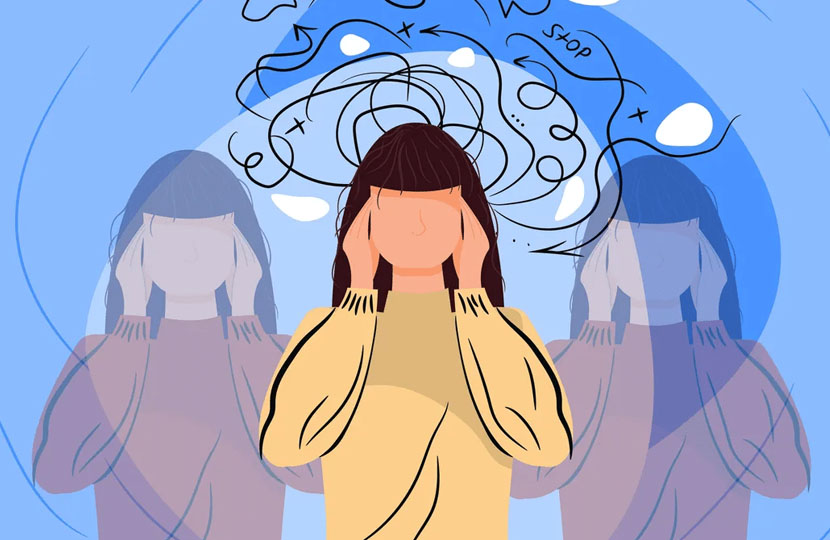
Small Things Feel Big: Why Tiny Triggers Can Feel So Overwhelming
Sometimes a delayed reply feels unbearable. A small change in tone can hurt for hours. One look, one sentence, one ignored message, or one ordinary misunderstanding can suddenly feel much bigger than it should. When small things feel big, people often judge themselves harshly. They may think they are overreacting, too sensitive, immature, or weak. But in mental health work, the picture is usually deeper than that.
Often, the problem is not the size of the event. The problem is the size of the emotional load already present inside the system. A small trigger lands on top of old hurt, unresolved stress, loneliness, fear, fatigue, or insecurity, and the reaction becomes much larger than the outer situation appears to justify. This is why one “small” thing can suddenly affect mood, sleep, confidence, appetite, focus, and even the whole direction of a day.
According to the American Psychological Association, stress affects thoughts, feelings, behavior, and the body together. That means a person under emotional strain may not only “think more”; they may also react faster, feel more intensely, and recover more slowly from everyday events.
What does it mean when small things feel big?
When small things feel big, it usually means that a person’s nervous system and emotional world are already carrying more than they appear to be carrying from the outside. A message may be short, but it touches fear of rejection. A change in routine may be minor, but it touches the need for control. A neutral comment may be ordinary, but it lands on an already wounded sense of worth.
This is why two people can face the same event and react very differently. One person may move on in five minutes. Another may replay it all day, feel physical tightness in the body, lose concentration, and begin questioning the relationship, the future, or even their value. The trigger may be small, but the internal meaning attached to it becomes emotionally heavy.
This pattern is common in people dealing with anxiety, emotional exhaustion, attachment insecurity, trauma history, chronic stress, depression, or high emotional sensitivity. It does not mean they are dramatic. It means their threshold has become lower and their internal alarm system has become easier to activate.
Why the brain reacts so strongly to small triggers
Small Things Feel Big: The brain is built to detect significance, not just size. It is always scanning for what may matter emotionally, socially, or physically. If a person has already been stressed, hurt, or overwhelmed, the brain becomes more likely to interpret even small events as important. This is how the nervous system tries to protect the person, but in daily life it can make ordinary experiences feel disproportionately intense.
When people are under prolonged stress, the body may remain in a more activated state. In that state, emotional brakes become weaker. The person becomes more reactive, more watchful, and more vulnerable to sudden mood shifts. The NIMH resource on caring for your mental health notes that changes in sleeping, eating, energy, concentration, and irritability can all be signs that mental strain is affecting daily functioning.
So when small things feel big, it is often not because the brain is “wrong.” It is because the brain is tired, loaded, protective, and reacting as if the emotional stakes are high.
Emotional backlog makes today’s trigger heavier
One of the biggest reasons small things feel big is emotional backlog. Many people are not reacting only to the current moment. They are reacting to the current moment plus everything that has not been properly processed over days, weeks, months, or even years.
A person may cry over a short message, but the tears may not be about that message alone. They may also carry last week’s disappointment, long-standing loneliness, earlier invalidation, old rejection memories, and the exhaustion of “holding it together” for too long. In such cases, the trigger is real, but the emotional weight behind it is much older and much larger.
This is why some people say, “I know it is a small thing, but I still cannot calm down.” They are often correct on both levels. The outer event is small, and the inner activation is still very real.
The NHS guidance on stress explains that when stress builds up, people can become more easily irritated, worried, tearful, or unable to switch off. Emotional backlog is one major reason that apparently minor moments start feeling much bigger.
Why insecurity makes ordinary moments feel threatening
Insecurity changes interpretation. When a person feels emotionally secure, a delayed reply may simply mean someone is busy. When a person feels insecure, the same delay may feel like rejection, emotional withdrawal, or proof that something is wrong.
This is especially true in relationships. If someone already fears abandonment, criticism, not being chosen, or not being valued, then even small relational shifts can activate large emotional responses. A short reply may feel cold. A different tone may feel angry. A missed call may feel like distance. The outer event remains small, but the inner interpretation becomes intense.
Insecure states often fill gaps with fear. The mind starts guessing, predicting, and creating meanings before facts are fully known. The NIMH page on generalized anxiety disorder describes how excessive worry, trouble controlling thoughts, irritability, and feeling keyed up can strongly affect interpretation and emotional calm.
Overthinking makes the trigger grow
A trigger often becomes heavier because it does not stay one trigger. The mind starts adding layers. First comes the event. Then comes interpretation. Then comes memory. Then comes fear. Then comes self-doubt. Then comes prediction. Within minutes, one small thing has become a whole story.
For example:
- one unanswered message becomes “maybe I said something wrong”
- that becomes “maybe they are upset with me”
- that becomes “maybe they are losing interest”
- that becomes “this always happens to me”
- that becomes “maybe I am the problem”
This is how small things feel big. The event does not stay where it began. It expands through repetitive thinking. Overthinking is not just “thinking too much.” It is often emotional magnification happening through mental repetition.
The NHS guide on reframing unhelpful thoughts encourages people to step back from automatic interpretations, consider other explanations, and check whether they are treating a thought as a fact.
Past experiences teach the nervous system what to fear
Another important reason small things feel big is that the nervous system learns from experience. If someone has repeatedly faced criticism, abandonment, humiliation, unpredictability, or emotional neglect, then later in life even small reminders of those experiences may feel sharply activating.
The person may not consciously say, “This reminds me of the past.” But the body and mind still react as if something familiar and threatening is happening again. A tone of voice, a withdrawal, a dismissive look, or a lack of reassurance may activate old emotional memory without warning.
This is one reason emotional reactions can feel confusing. The person may know logically that the current situation is not extreme, but their nervous system may still behave as though it is serious. The reaction is not always about the present event alone. It may also be about what the event represents to the person internally.
Fatigue lowers emotional tolerance
When the body is tired and the mind is overloaded, tolerance becomes weaker. This is why events that look manageable in the morning may feel overwhelming at night. Sleep disruption, poor nutrition, hormonal strain, commute stress, digital overload, and emotional fatigue all reduce resilience.
A person who is already depleted cannot regulate emotion in the same way as a person who is rested and grounded. The trigger may not change, but the ability to absorb it does. This is why emotional reactions often worsen after poor sleep, during exhaustion, or in periods of mental burnout.
For readers who also struggle with constant mental tiredness, you may also find this helpful: Why the Mind Feels Tired Without Doing Much.
Signs that you may be emotionally amplifying triggers: When Small Things Feel Big
Sometimes it helps to recognize the pattern clearly. You may be in this cycle if:
- small conversations affect your whole day
- delayed replies create fast emotional distress
- you replay tone, wording, or facial expressions repeatedly
- your body reacts strongly before you fully understand what happened
- one upsetting moment changes sleep, appetite, or concentration
- you often say “I know it is small, but I cannot stop thinking about it”
- you feel embarrassed about your reaction but still cannot control it
This pattern deserves understanding, not shame. When small things feel big again and again, it usually means your inner system needs support, not self-criticism. Recognizing the pattern is the first step toward regulation.
What helps when small things feel big in daily life
The first helpful step is to slow the speed between trigger and reaction. If you react immediately while distressed, the feeling usually becomes larger. A short pause can prevent emotional escalation.
Try a simple sequence: Pause → breathe → ground → name the trigger → delay interpretation
This means you do not immediately trust the first emotional conclusion. You let the body settle a little before deciding what the event actually means.
A second helpful step is to ask: “What else is this touching?” Many reactions become easier to understand when you realize the issue is not only today’s event. It may also involve loneliness, fatigue, fear, old hurt, insecurity, or accumulated stress. Sometimes you are not reacting only to what happened today; you are reacting to what the moment awakened inside you.
A third step is to reduce mental repetition. Re-reading messages, replaying tone, checking status repeatedly, or mentally reviewing the same event again and again usually increases pain rather than clarity. The NHS guidance on tackling worries recommends containing worry rather than giving it unlimited mental space.
A fourth step is body regulation. Walking, cold water on the face, stretching, slow breathing, grounding with both feet on the floor, and brief sensory reset can help interrupt emotional flooding. When the body calms even a little, the meaning of the trigger often changes too.
Why self-judgment makes it worse: When Small Things Feel Big
Many people do not only feel upset by the trigger. They also attack themselves for being upset. They think, “Why am I like this? Why am I making such a big issue? Why can’t I be normal?” This second layer increases shame and inner pressure.
The more a person judges themselves for reacting, the less safe they feel internally. Then the system becomes even more sensitive. In therapy, one important goal is to reduce both the trigger reaction and the harshness of self-attack after the reaction. Healing usually becomes stronger when the person learns to respond to their pain with steadiness instead of punishment.
This does not mean excusing every response. It means understanding first, then improving regulation from a more stable place.
When should you seek help? When Small Things Feel Big.
If small things feel big only occasionally during a stressful week, self-help may be enough. But if this pattern is frequent, intense, relationship-disrupting, exhausting, or functionally impairing, then therapy can be very useful.
Professional help is especially important when small triggers are leading to repeated crying, relationship instability, panic-like surges, obsessive overthinking, major mood changes, loss of sleep, self-harm thoughts, or inability to function at work or at home. In such situations, the issue is no longer just “sensitivity.” It is a mental health burden that deserves proper care.
How a therapist can help you
A therapist can help you understand why certain triggers hit you so strongly and what deeper fears, memories, or patterns are getting activated underneath. Therapy can also help you slow emotional escalation, build stronger internal boundaries, improve communication, reduce overthinking, and respond more wisely instead of reactively. Over time, the aim is not to make you emotionally numb. The aim is to help you stay sensitive without becoming overwhelmed by every small emotional impact.
Welcome to Live Again
Welcome to Live Again. Live Again India Mental Wellness is supporting you—you are not alone. If small things have been feeling unusually heavy, it does not mean you are broken. It may mean your mind, body, and emotional world have been carrying too much for too long. With the right support, emotional reactions can become more understandable, more manageable, and less frightening.
Today’s Reflection From The Therapy Room
Sometimes the event is small, but the pain it touches is not. That is why healing is not only about telling people to “react less.” It is about helping them feel safer, steadier, and less alone inside their own emotional world. When that inner steadiness begins to grow, even the same life can start feeling softer, clearer, and easier to carry.
L@A