
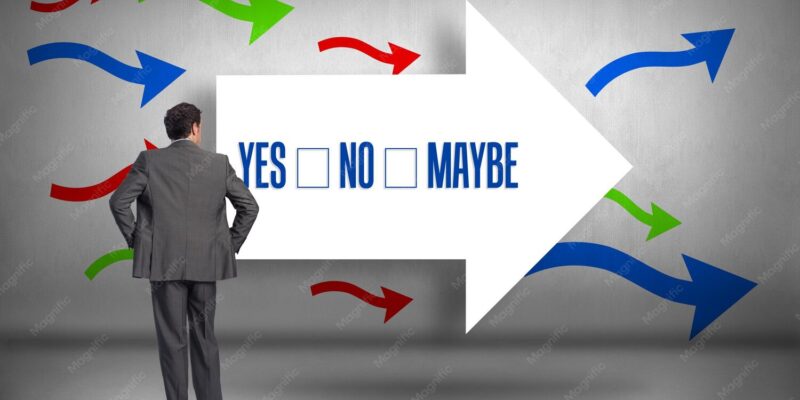
When You Need Certainty
Sometimes the hardest part of a difficult situation is not what has happened—it is not knowing what will happen next. When the mind keeps searching for guarantees, uncertainty can turn into overthinking, repeated checking, reassurance-seeking and emotional exhaustion. This article explores how we can find clarity, remain emotionally steady, and continue living even when every answer has not yet arrived.

When Emotions Feel Urgent
When emotions become intense, everything can suddenly feel urgent—we want to call, reply, argue, resign, decide, or escape immediately. This article explores why strong emotions create pressure for instant action, and how slowing the moment can protect our relationships, decisions, and mental wellbeing.
Hope Grows Through Action
Hope grows through action when small, meaningful steps create confidence, restore a sense of control, and remind us that positive change can begin even before we feel fully ready

Emotional Regulation Without Suppression
Emotions are important signals, but they do not have to become commands. Learn how to create space between what you feel and what you do – without burying the feeling or letting it take over.

Understanding Pain and Suffering
Understanding Pain and Suffering explores how physical pain, emotional pain, and suffering differ yet remain deeply connected. It examines how bodily hurt, grief, rejection, loss, identity, relationships, dignity, meaning, and hope shape the whole human experience.

Setting Boundaries With Parents
Learn how adult children can create respectful boundaries with parents, reduce guilt, protect privacy, and preserve family connection without unnecessary conflict.

Parental Concern Becomes Pressure: Support Without Control
Loving parental concern can unintentionally become pressure through repeated advice, monitoring, comparison, and overcontrol. Learn how families can balance guidance, autonomy, safety, and emotional connection.
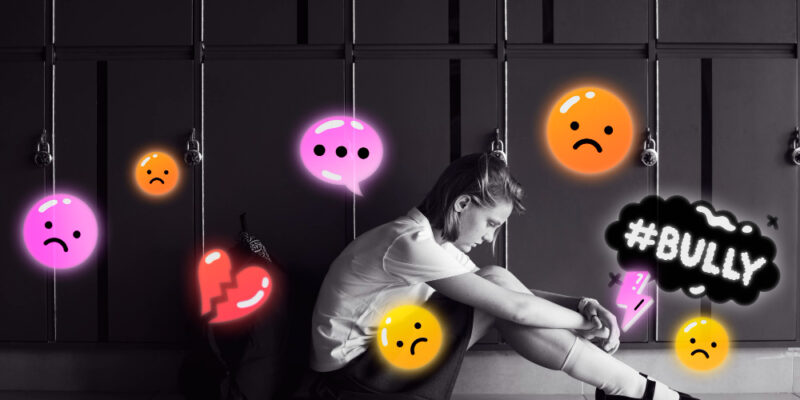
Emotional Triggers And Reactions
Small moments can activate powerful emotions when they touch older fears, beliefs or experiences. Learn how to identify triggers and respond with greater clarity.

PAUSE Method Emotional Regulation
Strong emotions can make us react before we understand what is happening. Learn the PAUSE Method to recognise triggers, regulate emotions and communicate with greater clarity.

Depression Symptoms And Treatment
Depression can affect mood, energy, sleep, concentration, relationships, work and hope. Understand the warning signs, treatment choices and when professional support may help.
L@A