Trauma can cast a long shadow over one’s life, but with the right Trauma Recovery Support India offers, healing is possible. Take the example of Riya, a young professional from Delhi who survived a serious car accident. In the weeks after, Riya felt on edge and plagued by nightmares of the crash. She avoided driving, and even simple sounds like honking would make her heart race. Her journey illustrates that recovering from trauma isn’t about “just getting over it” – it’s about healing from within. In India and around the world, countless individuals like Riya silently carry the wounds of trauma. In fact, global research indicates that up to 70% of people experience a traumatic event in their lifetime. The encouraging news is that with compassionate support, trauma recovery becomes a journey of hope. Whether through family, peer groups, or professional therapy, trauma recovery support acts as a guiding light. It helps survivors understand that what they’re feeling is valid and that they are not alone on the path to healing.
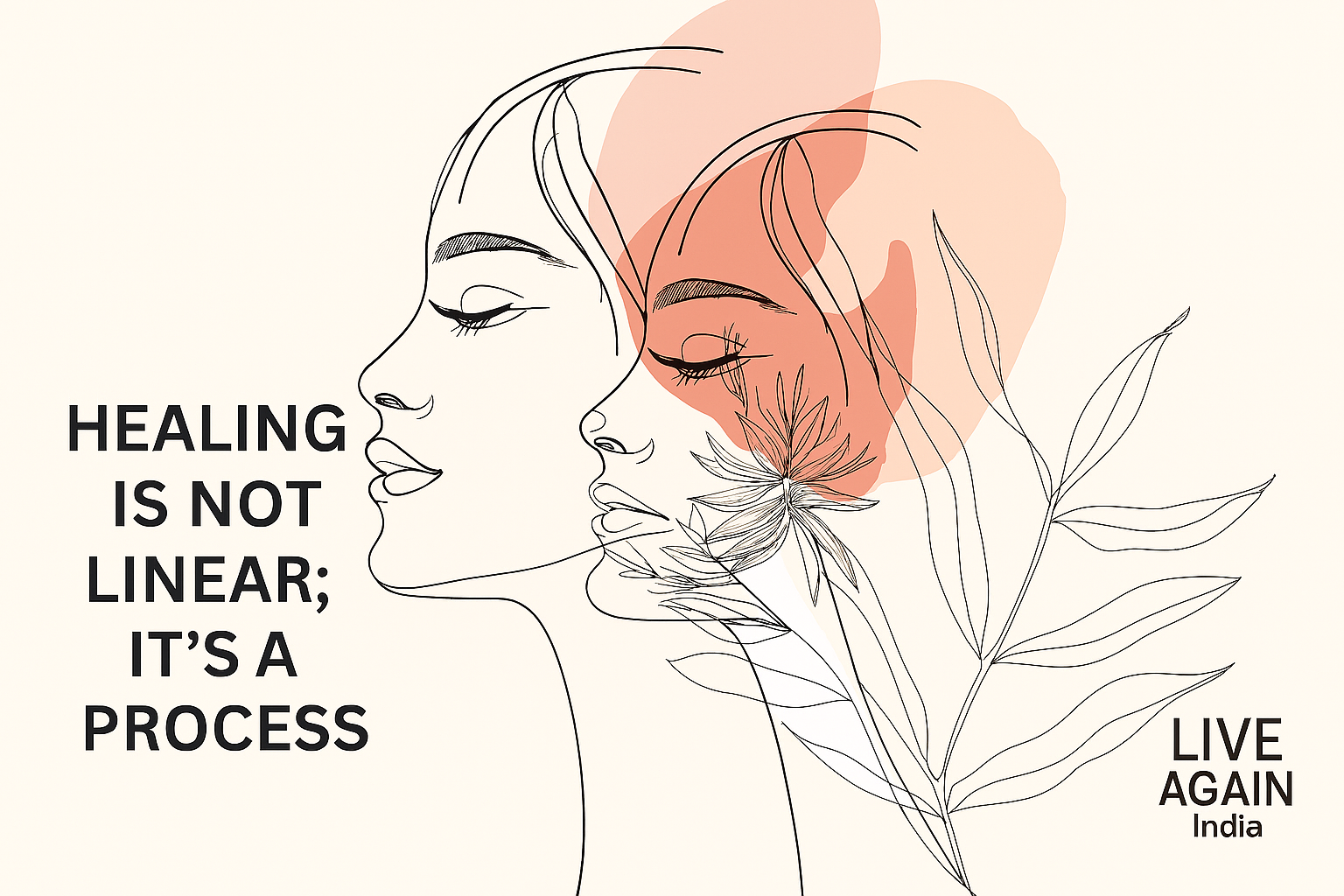
Representing emotional healing journey.
Healing from Within: The Journey of Trauma Recovery
Understanding Trauma
Understanding what trauma is – and what it isn’t – is a crucial first step on the road to recovery. According to the American Psychological Association (APA), trauma is “an emotional response to a terrible event,” such as an accident, rape, or natural disaster (APA – Trauma). In other words, trauma isn’t about weakness; it’s a natural human reaction to extremely stressful or life-threatening experiences. Immediately after a traumatic event, shock and denial are common responses. Over time, those initial responses can evolve into a range of long-term effects. For example, someone may feel overwhelmed, helpless, or constantly fearful in the aftermath. Trauma can result from a single incident (like a one-time accident) or from ongoing toxic situations (such as prolonged abuse or violence). It can happen to anyone – children, adults, people from all walks of life – and it affects everyone differently. One person might develop intense symptoms of post-traumatic stress disorder (PTSD), while another might show resilience or only mild, short-term distress. What’s important to remember is that needing help after trauma is normal. There is no “right way” to respond to trauma; what matters is finding support and strategies to cope and heal. In India, awareness of mental trauma is growing, and initiatives focused on Trauma Recovery Support India are emphasizing that trauma is not a life sentence but a challenge you can overcome with the proper care and support.
Symptoms of Trauma
Every trauma survivor’s experience is unique, but there are some common symptoms of trauma that many face. Below are seven key symptoms, each explained with an example to illustrate how they might appear in daily life:
- Intrusive Flashbacks and Nightmares: Many survivors relive the traumatic event in unwelcome ways. This can include intrusive memories, vivid flashbacks, or distressing dreams that make them feel like they are back in that moment. For example, a combat veteran might dive for cover upon hearing a loud noise, momentarily believing they are back on the battlefield. These flashbacks are not intentional; they are the mind’s way of processing the trauma, often triggered by reminders of the event.
- Avoidance of Traumatic Triggers: After trauma, people often go out of their way to avoid anything that reminds them of the trauma. This could mean avoiding certain places, people, conversations, or even thoughts related to the event. For instance, a survivor of a car accident might avoid driving altogether or refuse to travel on the road where the accident occurred. While avoidance can be a coping mechanism to prevent pain, it can also interfere with one’s daily life – preventing the person from engaging in activities or relationships they once enjoyed.
- Hypervigilance and Being “On Edge”: It’s common for trauma survivors to feel constantly alert and jumpy, as if danger is around every corner. This state of heightened anxiety – known as hypervigilance – means the person is easily startled by loud noises or sudden movements and may have a hard time relaxing. For example, someone who experienced a robbery may startle at the sound of a doorbell or feel anxious in crowds, always scanning for threats. This isn’t “paranoia” or overreaction – it’s the brain’s survival instinct in overdrive after trauma.
- Sleep Disturbances and Nightmares: Trouble sleeping is a very common symptom of trauma. Many survivors suffer from insomnia or restless sleep because their minds are racing or they experience nightmares about the traumatic event. Imagine a disaster survivor who wakes up in panic from recurring nightmares of the incident, or a survivor of violence who can’t fall asleep until dawn. Lack of quality sleep can further drain one’s ability to cope, leading to exhaustion and making other symptoms (like anxiety and irritability) worse.
- Emotional Numbness and Detachment: Some individuals cope by shutting down emotionally. They might feel numb, detached, or disconnected from others, even loved ones. For example, a person who went through a traumatic assault might have trouble feeling joy or intimacy, and they may withdraw from friends and family. This detachment is the psyche’s way of blunting pain – by dulling all emotions. While it protects against hurt in the short term, it also blocks out positive feelings and support from relationships, which are crucial for recovery.
- Persistent Fear, Guilt, or Shame: Traumatic experiences can leave deep emotional scars like ongoing fear, guilt, or shame. It’s common for survivors to blame themselves for what happened, even when it was not their fault (“survivor’s guilt”). They may also feel unsafe or on edge long after the actual danger has passed. For instance, a victim of a workplace harassment incident might carry an unjustified sense of shame, or a parent who couldn’t protect their child might live with crippling guilt. These negative feelings can lead to depression and must be addressed with compassion. It’s important to recognize that such self-blame is a distorted after-effect of trauma, not a reflection of reality.
- Physical Symptoms and Health Issues: Trauma doesn’t only affect the mind; it often manifests in the body. Physical symptoms can include headaches, stomachaches, fatigue, a racing heart, or unexplained aches and pains. Chronic stress from trauma keeps the body’s “fight-or-flight” response activated, which can lead to problems like high blood pressure, weakened immunity, or sleep disturbances. For example, someone who survived a building collapse might suddenly get dizzy or nauseous when walking into tall buildings, or a person with traumatic stress might develop tension headaches or digestive issues with no other medical cause. Recognizing these as trauma-related symptoms is important so that individuals can seek holistic care (both medical and psychological) as needed.
These symptoms, whether emotional or physical, are normal responses to abnormal events. They indicate that a person has been through something life-changing and distressing. If you or someone you know is experiencing several of these symptoms for weeks or months after a traumatic event, it may be time to seek help. Remember, effective trauma recovery support – including professional help – can significantly reduce these symptoms over time, allowing individuals to regain control of their lives.
Healing Modalities to Consider
Healing from trauma is not a one-size-fits-all process. Often, it requires a combination of therapies and self-care strategies that address the mind, body, and spirit. In the journey of Trauma Recovery Support India encourages, several evidence-based healing modalities can play a transformative role. Here are four approaches many trauma survivors find beneficial:
1. Mindfulness and Meditation: Practicing mindfulness – which means gently focusing your attention on the present moment – can be incredibly grounding for trauma survivors. Trauma often pulls the mind into the past (reliving the event) or into fearful futures. Mindfulness helps break that cycle by anchoring individuals in the here and now. This can be as simple as breathing exercises, guided meditation, or mindfulness-based stress reduction (MBSR) programs. In fact, recent PTSD treatment guidelines recommend mindfulness-based practices as part of recovery (NHS – PTSD).
2. Physical Activity and Exercise: The mind-body connection is powerful in trauma recovery. Physical activity – whether it’s yoga, walking, dancing, or gym workouts – can release pent-up tension and stress that trauma holds in the body. Exercise naturally produces endorphins (feel-good hormones) and can improve sleep and mood. Neuroscience research suggests that exercise helps the brain recover from trauma by boosting activity in areas that regulate fear and emotion (like the prefrontal cortex) (Harvard Health – Exercise).
3. Creative Expression (Art, Music, Writing): Trauma can be hard to put into words. That’s where creative expression comes in as a healing modality. Art therapy, music therapy, dance, drama, or journaling – these creative outlets allow survivors to process emotions non-verbally and symbolically. Research has shown that art and creativity are highly effective ways to help people deal with trauma, anxiety, and depression, often reducing symptoms and giving a sense of peace (AAP – Art Therapy).
4. Reconnecting with Nature: There’s a reason we often seek solace in nature during tough times. Nature therapy – spending mindful time outdoors – has been found to greatly aid trauma recovery. The calm of natural environments (parks, forests, beaches, gardens) can lower stress hormone levels and offer a sense of safety and renewal. Research indicates that time in nature can reduce anxiety, ease depression, and improve overall well-being (WHO – Nature).
As you consider these modalities, remember that trauma recovery support is highly personal. What works for one person might be less effective for another. Often, a combination approach is best – for instance, therapy with a psychologist and a mindfulness routine, or medication alongside creative hobbies and exercise. The goal is to engage whole-person healing: treating the psychological wounds, calming the physical stress responses, and restoring one’s spirit and connection to life. India’s growing mental wellness community encourages exploring these holistic modalities, blending traditional wisdom (like yoga and meditation) with contemporary therapeutic techniques, to craft a recovery plan that resonates with you.
How a Therapist Can Help
Trauma Recovery Support India: While self-help and community support are invaluable, guidance from a professional therapist can accelerate and strengthen trauma recovery. A trained mental health therapist – such as a psychologist or counselor – provides a safe, confidential space for survivors to process their experiences. Therapists can introduce evidence-based treatments like cognitive-behavioral therapy (CBT), EMDR (Eye Movement Desensitization and Reprocessing), or trauma-focused therapy, which have been proven effective in alleviating PTSD symptoms (NHS – Therapy). They help individuals reframe negative thoughts (for instance, overcoming self-blame or pessimism) and teach coping skills to manage flashbacks or panic attacks. In India, it’s important to seek professionals who are licensed and qualified (many clinical psychologists are registered with the Rehabilitation Council of India (RCI), which regulates counseling standards). Therapists also offer empathy and validation, which can be profoundly healing for someone who feels misunderstood. In short, you don’t have to carry the burden alone – a compassionate therapist can walk beside you, helping transform trauma into a story of resilience and strength.
Live Again India Support
Welcome to Live Again. Live Again India Mental Wellness is supporting you – you are not alone. Our mission is to ensure that anyone dealing with trauma or mental distress finds a caring community and professional support. We offer a range of trauma recovery support services, from one-on-one counseling to group therapy and stress management workshops. This means you can find the help that fits your comfort level, be it sharing in a support group or speaking privately to a therapist. Live Again India is dedicated to creating a safe space for healing, where your experiences are heard and your feelings are respected. We walk with you on the journey from darkness into light, every step of the way. Trauma Recovery Support India Live Again.
Healing from trauma is truly a journey of “healing from within.” It may not be quick or easy, but with time, patience, and the right support, recovery is not just possible – it’s probable. The focus is on regaining control of your narrative, rather than letting the trauma define you. As we’ve discussed, resources for Trauma Recovery Support India provide survivors with tools and hope: from understanding their symptoms to engaging in mindfulness, seeking therapy, or finding solace in creativity and nature. Each small step – whether it’s sleeping a bit better, or not panicking at a loud sound – is a victory on the road to recovery. In this journey, hope is your most powerful ally. No matter how isolated or broken you might feel after a traumatic experience, remember that others have walked this path and reclaimed joy and meaning in their lives. With supportive friends, family, therapists, and communities like Live Again India, you can start to Live Again. The past may shape us, but it does not have to imprison us. With compassionate trauma recovery support, India’s survivors can step forward – out of the darkness of trauma and into the light of a new beginning. You are not alone, and you can heal.