Live Again India Mental Wellness
Live Again India Mental Wellness Live Again India Mental Wellness

2/6, Sarva Priya Vihar, Near Hauz Khas Metro Station

New Delhi, India

Emergency Cases

+91 99712 07507

Live Again India Mental Wellness Live Again India Mental Wellness
  • Home
  • About Us
  • Our Services
  • Meet All Doctors
  • Supporting Members
  • Mental Health Programs
  • Our Blogs
  • Contact Us
  • Book an Appointment
Book an Appointment

Our Blogs & Latest News

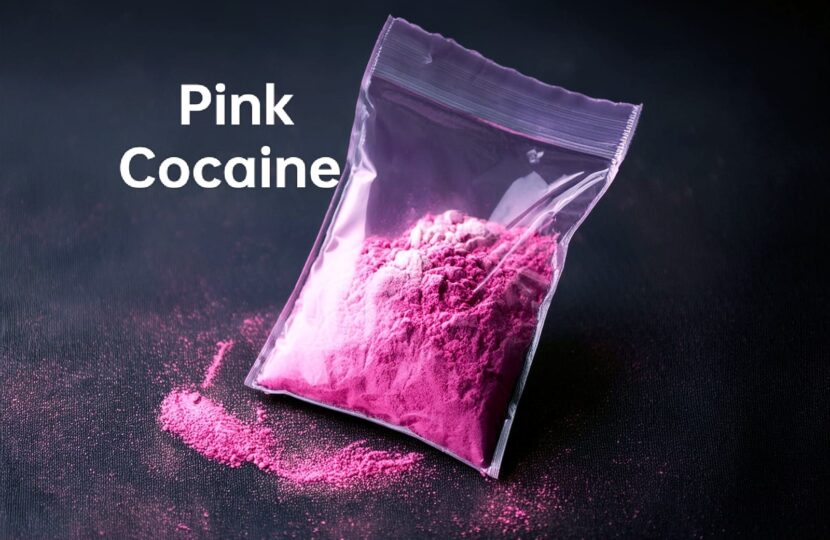
Pink cocaine, despite its name, contains no organic cocaine. Pink cocaine is a dangerous combination of synthetic substances like 2-CB, MDMA (ecstasy), ketamine, and caffeine. Its effects are unpredictable, and posses significant risks to mental and physical health.

Take care of your mental health

For more personalized guidance and treatment support.

talk to your therapist. 

L@A

Understanding Pink Cocaine: Effects, Risks, and Treatment Options. भारत पिंक कोकीन का खतरा

Pink Cocaine Effects on Health

November 8, 2024 by Live Again India

Pink Cocaine Effects on Health: Pink cocaine, despite its name, contains no organic cocaine. Pink cocaine is a dangerous combination of synthetic substances like 2-CB, MDMA (ecstasy), ketamine, and caffeine. Its effects are unpredictable, and posses significant risks to mental and physical health. Prolonged use can result in irreversible damage, including cognitive impairments, cardiovascular issues, and severe mental health problems.

What Is Pink Cocaine?

Pink cocaine, also known as “tusi,” is a synthetic designer drug gaining popularity worldwide. Unlike traditional cocaine derived from coca plants, pink cocaine combines various substances that alter brain function in complex and hazardous ways. This blend of stimulants, psychedelics, and dissociatives can create a unique but dangerous cocktail of effects.

Components of Pink Cocaine

  1. 2-CB: Originally developed for therapeutic purposes, this psychedelic interacts with serotonin receptors, heighten sensory experience and sometimes cause hallucinations.
  2. MDMA (Ecstasy): Known for its euphoric effects, MDMA releases serotonin and dopamine, and foster feeling of joy and connectedness but parallelly risk for dehydration and hyperthermia.
  3. Ketamine: Used medically as an anesthetic, ketamine causes dissociative effects, such as detachment from reality and out-of-body sensations.
  4. Caffeine: A stimulant that increases heart rate and alertness but may contribute to anxiety and dehydration when combined with other substances.

How Pink Cocaine Differs from Regular Cocaine

While regular cocaine directly stimulates the central nervous system, pink cocaine’s combination of substances impacts multiple brain receptors, and produce a fusion of stimulant, psychedelic, and dissociative effects. These effects amplify each other, and making pink cocaine unpredictable and life-threatening.

Pink Cocaine Effects on Health: Intoxication and Post-Effects

Pink cocaine produces a range of effects, both immediate and long-term. The consequences intensify with prolonged use, akin to being trapped in a black hole where risks multiply.

Short-Term Effects

  • Euphoria and Sociability: Users may experience extreme happiness and openness, leading to a loss of inhibitions.
  • Hallucinations: Distorted perceptions, including visual and auditory hallucinations, can lead to dangerous behaviors.
  • Increased Heart Rate and Blood Pressure: Stimulants like MDMA and caffeine strain the cardiovascular system, and possess fatal risks.

Long-Term and Severe Effects

  • Anxiety and Paranoia: As the drug wears off, users often feel intense anxiety, paranoia, or confusion.
  • Nausea and Vomiting: The body’s response to the chemical overload can cause dehydration and serious health issues.
  • Elevated Body Temperature: MDMA can lead to overheating, kidney failure, or death.
  • Seizures and Heart Rhythms: Irregular brain and heart activity can result in life-threatening seizures.
  • Coma or Unconsciousness: High doses may lead to unconsciousness, increasing the risk of injury.

Treatment: The Path Toward Recovery

Addressing pink cocaine use requires a multifaceted approach. Recovery is possible with proper intervention and support.

1. Detoxification

The first step is medical detox to safely detox the substances from the body under professional supervision.

2. Counseling and Cognitive Behavioral Therapy (CBT)

Therapy helps users identify triggers, change destructive behaviors, and develop healthier coping mechanisms.

3. Relapse Prevention

Education about the dangers of pink cocaine, combined with support networks, reduces the risk of relapse.

4. Rehabilitation Programs

Comprehensive rehabilitation treatment offers medical care, therapy, and life skills training to help individuals reintegrate into society.

Awareness, understanding and action

In India, where a large youth population is increasingly exposed to the dangers of designer drugs, it is vital to spread awareness about the risks of substances like pink cocaine. The scientific community, alongside policymakers and healthcare providers, must work together to create prevention programs, offer rehabilitation services, and provide the tools necessary for young people to navigate an increasingly complex world of psychoactive substances. Through understanding and conscious action, we can combat the growing threat of pink cocaine and protect the well-being of future generations.

If you have are experiencing any mental health issue, or know someone, who is suffering. Seek Professional Help and talk to your mental health expert. They can provide valuable guidance to enhance your mental health and overall wellbeing. Your mental health care is our priority. Your life is precious: take care of yourself and family. You are not alone. We are standing by you. Life is beautiful. Live it fully. Say yes to life. Welcome to life.
Live Again India Mental Wellness
L@A
Tags: cocaine abusecocaine induced mental health conditioncocaine userelapse prevention therapy for cocaine usetreatment for cocaine use
  • Share
  • Tweet
  • Linkedin

Post navigation

Previous
Previous post:

Relationship and importance of communication: Assertiveness

Next
Next post:

Alcohol-Relapse-Guilt and Recovery Counseling

Related Posts
Social Media Mirror Effect Impact on Mental Health Identity
June 23, 2025 by Inderjeet Singh

This comprehensive article addresses Social Media Mirror Effect through evidence-based psychological principles and current research findings. The content integrates multiple...

Circadian Rhythm Sleep Disorders: Explained
January 23, 2025 by Inderjeet Singh

Circadian rhythm sleep-wake disorders (CRSWDs) are conditions where the natural sleep-wake cycle, driven by the body’s circadian rhythm, becomes disrupted.

Leave a Comment Cancel reply

Your email address will not be published. Required fields are marked *

Add Comment *

Name *

Email *

Website

Popular Posts
  • Emotional Regulation and BPD

    December 11, 2025

  • Depression Counselling in India

    December 11, 2025

  • Borderline Personality Disorder Therapy

    December 11, 2025

Tag Cloud
#AddictionRecovery #AlcoholRecovery #SobrietyJourney #LapseVsRelapse #MentalHealthAwareness #AddictionRecovery #BorderlinePersonalityDisorder #BPDRecovery #EmotionalHealing #EmotionalWellBeing #EmotionalWellness #HealingJourney #LiveAgainIndia #MentalHealth #MentalHealthAwareness #MentalHealthIndia #MentalHealthMatters #MentalHealthSupport #MentalWellness #RelationshipHealing #SelfCompassion #TherapySupport #TherapyWorks #TraumaHealing anxiety anxiety disorder Build Resilience CBT Counseling and Psychotherapy couple counseling depression digital detox DSM5 family counseling LiveAgainIndia marital counseling MentalHealth mental health MentalHealthAwareness MentalHealthMatters MentalHealthSupport MentalWellness mindful digital consumption mindfulness OCD personality disorder relapse prevention counseling relationship counseling relationships

Recent Posts

  • Emotional Regulation and BPD
  • Depression Counselling in India
  • Borderline Personality Disorder Therapy
  • Chronic Fight Freeze Loop
  • The Silent Bridge of Real-World Relationship Dynamics

Recent Comments

  1. Lvivforum.Pp.Ua on Overcoming learned helplessness and depression
Live Again India

Wherever or whatever the situation of life you are in. You are not alone. We are with you.

Our Location

2/6 Sarva Priya Vihar, Near Hauz Khas Metro Station, New Delhi -110016, India

E: liveagainindia@gmail.com

+91-9971207507

+91-8960966553

Working Time

Mon - Fri - 9:00 AM - 5:00 PM

Sat - 9:00 AM - 2:00 PM

Sun - 9:00 AM - 12:00 PM

Quick Links
  • Home
  • About Us
  • Our Services
  • Meet All Doctors
  • Supporting Members
  • Mental Health Programs
  • Our Blogs
  • Contact Us

© 2023 Live Again Foundation. All Rights Reserved

L@A