Emotional Regulation and Borderline Personality Disorder (BPD): Understanding the Connection
Emotional regulation is the ability to manage, control, and respond to emotions in healthy and balanced ways. For many people, emotions naturally rise and fall — but for individuals living with Borderline Personality Disorder (BPD), emotional experiences can feel intense, overwhelming, and difficult to control.
In fact, impaired emotional regulation is one of the core symptoms of BPD, and almost every form of BPD therapy focuses on helping individuals build skills to regulate their emotions.
This article explains how emotional regulation works, why it becomes difficult for people with BPD, and what therapies and strategies help improve it.
What Is Emotional Regulation?
Emotional regulation refers to:
-
Understanding your emotions
-
Managing intense feelings
-
Responding calmly rather than impulsively
-
Returning to emotional balance after distress
-
Expressing emotions appropriately
When emotional regulation is healthy, people can handle stress, conflicts, and rejection without becoming overwhelmed.
Why Emotional Regulation Is Difficult in BPD
People with BPD often feel emotions faster, stronger, and for longer periods than others. This heightened sensitivity makes small triggers feel extremely painful or threatening.
Common emotional regulation challenges in BPD:
-
Sudden emotional reactions to minor events
-
Difficulty calming down after emotional triggers
-
Feeling overwhelmed by anger, sadness, or fear
-
Intense anxiety or fear of abandonment
-
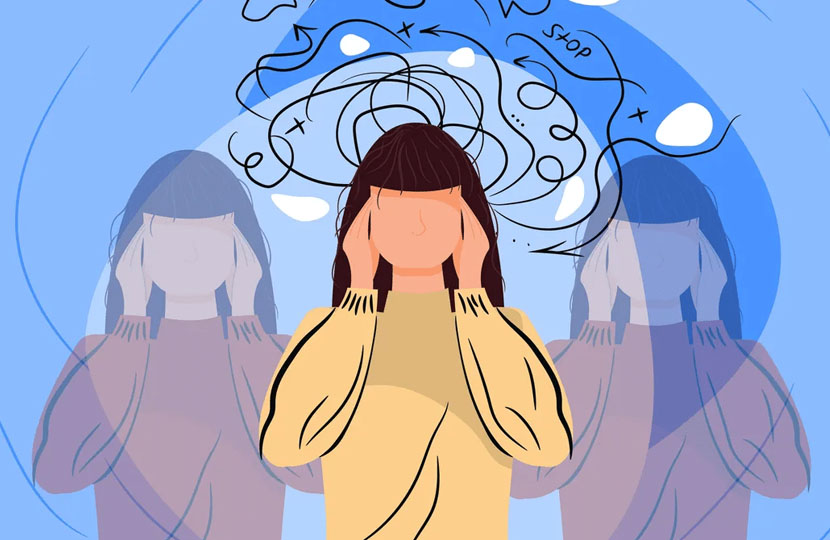
Emotional “flooding” that blocks rational thinking
-
Impulsive reactions during distress (yelling, overspending, self-harm, etc.)
These experiences are not “attention seeking” — they are symptoms of a condition affecting emotional control systems in the brain.
How Emotional Dysregulation Affects Daily Life
When emotional regulation is impaired, individuals may struggle with:
✔ Relationships
Frequent conflicts, fear of abandonment, or feeling misunderstood.
✔ Work or studies
Difficulty concentrating, reacting emotionally to stress, sensitivity to criticism.
✔ Self-image
Emotions influence how they see themselves, leading to unstable identity.
✔ Decision-making
Impulsive actions during emotional distress.
✔ Mental health
Higher risk of anxiety, depression, self-harm, and emotional burnout.
Why Emotional Regulation Problems Occur in BPD
Researchers identify three main reasons:
1. Childhood Trauma or Invalidating Environments
People with BPD often grew up in homes where:
-
Their feelings were minimized or ignored
-
They were punished for expressing emotions
-
They faced abuse, neglect, or unstable relationships
As a result, they never learned healthy emotional regulation skills.
2. Biological Sensitivity
The BPD brain is wired to feel emotions more intensely:
-
The amygdala (emotion center) is overactive
-
The prefrontal cortex (control center) activates slower
-
Neurochemical imbalances affect mood regulation
This means emotions “take over” before rational thinking can help.
3. Learned Patterns
Over time, individuals may learn coping habits such as:
-
Avoidance
-
Self-harm
-
Anger outbursts
-
People-pleasing
-
Overthinking
These strategies provide short-term relief but increase long-term distress.
Therapies That Improve Emotional Regulation in BPD
The most effective therapies for BPD focus heavily on emotional regulation skills.
1. Dialectical Behavior Therapy (DBT)
DBT is the gold standard for BPD treatment and focuses directly on emotional regulation.
DBT teaches:
-
Naming and understanding emotions
-
Reducing vulnerability to emotional triggers
-
Increasing positive experiences
-
Removing destructive habits
-
Building healthy coping strategies
DBT also teaches the “STOP” and “TIPP” skills to handle emotional emergencies safely.
2. Cognitive Behavioral Therapy (CBT)
CBT helps individuals identify:
-
Distorted thinking
-
Emotional triggers
-
Unhealthy patterns
By changing thoughts, CBT helps reduce emotional intensity and impulsive reactions.
3. Schema Therapy
Targets deep emotional wounds formed in childhood, helping individuals unlearn harmful patterns that affect emotional regulation.
4. Mindfulness-Based Therapy
Mindfulness helps individuals:
-
Slow down emotional reactions
-
Stay present
-
Reduce emotional “flooding”
-
Observe thoughts instead of acting on them
It is one of the most effective self-regulation tools.
Strategies to Improve Emotional Regulation (Self-Help)
Alongside therapy, individuals can practice these skills daily:
✔ 1. Grounding Techniques
-
Deep breathing
-
Counting backwards
-
Touching a cold object
-
5-4-3-2-1 sensory exercise
✔ 2. Journaling
Helps reduce emotional overload and increases clarity.
✔ 3. Physical Activity
Exercise reduces emotional intensity and calms the nervous system.
✔ 4. Healthy Routine
Regular sleep, meals, and structure reduce emotional swings.
✔ 5. Identify Triggers
Understanding patterns reduces emotional surprises.
✔ 6. Opposite Action
Act opposite to what the intense emotion urges (DBT skill).
How Loved Ones Can Help
Family and partners can support emotional regulation by:
-
Staying calm during emotional intensity
-
Avoiding criticism or blame
-
Listening without judgement
-
Setting clear boundaries
-
Learning BPD-specific communication skills
Supportive relationships make a huge difference in recovery.
Conclusion
Emotional dysregulation is at the heart of Borderline Personality Disorder — but with the right therapy and skills, it can improve dramatically. Many people with BPD learn emotional regulation skills that allow them to build healthy relationships, make balanced decisions, and live stable, fulfilling lives.
Emotional regulation is a learnable skill, and with support, healing is absolutely possible.