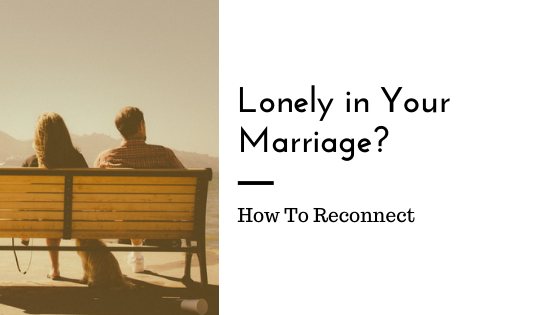
Emotional Loneliness in Marriage: A Silent Distance
Marriage is often pictured as the ultimate bond of companionship, warmth, and security – a place where we feel emotionally safe, seen, and understood. Yet, for many individuals, the experience of being married can paradoxically feel deeply isolating and emotionally barren. It’s not uncommon to feel more alone in a relationship than when one was single, especially when emotional needs remain unmet or unspoken. Emotional loneliness in marriage is not about physical distance; it is about a growing silence and emotional void between two people who once promised to be each other’s closest emotional anchors.
Emotional loneliness in marriage emerges when conversations lose their depth, affection becomes mechanical, and one’s inner world remains unseen and untouched by their partner. It’s the unsettling feeling of lying next to someone and still feeling alone. It is not always dramatic or confrontational – often, it’s a quiet, aching absence that builds over time.
What Emotional Loneliness Really Looks Like
While every relationship carries its ups and downs, emotional loneliness is more than occasional disconnection. It is an enduring emotional experience marked by:
- Talking but not being heard
- Solving problems together but never addressing feelings
- Physical presence without emotional closeness
- A sense of walking on eggshells or avoiding deeper topics
- Replacing emotional expression with routine logistics
This loneliness often wears a mask of “functionality.” To the outside world, the couple may look stable, cooperative, even content. Inside, however, there’s an emotional vacuum.
Why Does It Happen?
There’s no one-size-fits-all answer, but several emotional and relational patterns contribute:
1. Emotional Avoidance
Some individuals grow up in households where emotions were considered burdensome or irrelevant. As children, they may have learned that expressing sadness, vulnerability, or emotional needs leads to rejection, criticism, or being ignored. Over time, this teaches them to suppress their feelings and build emotional walls.
In adulthood, these early patterns can show up in committed relationships. Even when they deeply care for their partner, they may find it hard to open up, receive affection, or trust emotional closeness. This isn’t due to a lack of love – it’s rooted in fear and habit. These individuals may shut down during conflict, avoid serious conversations, or keep their emotional world hidden – not out of malice, but self-protection. fear of emotional intimacy from Verywell Mind
2. Unspoken Expectations
Couples often carry silent expectations of what love should feel like, how affection should be expressed, or how conflict should be handled. These expectations are shaped by early family experiences, cultural messaging, past relationships, and even media portrayals of romance. When partners operate on different emotional blueprints, and these aren’t openly explored or voiced, each may unknowingly feel let down or disconnected.
One partner might long for spontaneous affection or verbal affirmation, while the other shows care by staying consistent or solving problems. Without clear communication, these mismatched expectations can turn into invisible barriers, leading to a chronic sense of not being understood – even if the love is still present.
3. Communication Breakdown
Over time, many couples shift from emotional dialogue to logistical talk – about bills, children, chores, and deadlines. While practical conversations are necessary, they can quietly overtake the deeper emotional sharing that once bonded the relationship. Slowly, emotions get pushed aside, replaced by checklists and reminders. The heart of the relationship – emotional intimacy – begins to fade.
Without realizing it, partners may stop asking each other meaningful questions like “How are you feeling today?” or “What’s been on your mind lately?” Instead, they operate like task managers, missing each other’s emotional signals.
This communication breakdown isn’t always intentional – it’s often a result of stress, exhaustion, or unresolved emotional wounds. But left unaddressed, it creates a rhythm of emotional neglect that can be just as painful as conflict. NHS advice on relationship communication
4. Suppression of True Feelings
Many individuals avoid expressing disappointment, resentment, or emotional pain to “keep peace” in the relationship – especially when previous attempts to voice feelings were dismissed or misunderstood. They begin to believe that sharing emotions will only lead to conflict, rejection, or escalation. Over time, they adapt by staying silent, suppressing their true emotional experiences, and pretending everything is fine.
However, this kind of peace is not rooted in emotional safety, but in avoidance. When emotions are consistently hidden or invalidated, couples lose the opportunity to build empathy and connection. The home becomes a place where feelings are edited, and presence is confused with closeness. Unfortunately, this silence becomes a wall – and silence, left unspoken, inevitably breeds emotional distance.
5. Mismatched Emotional Languages
One partner may express love through actions – by fixing things around the house, managing finances, or quietly standing by during difficult times. Meanwhile, the other partner may crave verbal affection, emotional check-ins, or tender physical gestures. Both partners are trying to love in the way they know best – but their emotional languages differ.
Without conscious awareness and open conversation, this mismatch often leads to a cycle of misunderstanding. One partner feels unappreciated for all they do, while the other feels emotionally neglected or unseen. Over time, each begins to feel hurt, frustrated, or even resentful – not because love is absent, but because it is expressed in forms the other doesn’t fully recognize or receive.
The Emotional Impact
Emotional loneliness can leave one feeling:
- Feeling unseen, as though one’s inner world doesn’t matter
- Speaking but not being emotionally received or acknowledged
- Having emotions that go unnoticed or dismissed
- Feeling like a stranger in one’s own relationship
- Emotionally exhausted from masking true feelings
- Longing for emotional depth and vulnerability
- Guilty for feeling this way despite “having a partner”
- Confused about whether they’re overreacting or genuinely hurting According to the APA, loneliness can affect both emotional and physical health.
It’s not uncommon for emotional loneliness to eventually lead to symptoms of anxiety, low mood, irritability, or self-doubt. It can even erode one’s sense of identity.
Emotional Loneliness in Marriage: Healing Is Possible
Healing from emotional loneliness doesn’t always require separation. In fact, many couples are able to rebuild their emotional connection when both partners commit to understanding one another’s needs and vulnerabilities. Through open and respectful dialogue, consistent emotional availability, and mutual efforts toward reconnection, relationships can heal and grow stronger than before. Therapy often acts as a supportive bridge that allows couples to explore their disconnection safely and learn healthier emotional patterns together.
It begins with:
- Acknowledging the emotional distance – without blame
- Naming unmet emotional needs
- Learning how to express vulnerability safely
- Relearning each other’s emotional language
- Making space for each other’s inner world
It’s important to remember that loneliness is not a sign of weakness – it’s a call for reconnection.
Emotional Loneliness in Marriage: How Therapist Can Help You
A therapist creates a safe space where both partners can slow down, reflect, and reconnect emotionally. Therapy helps uncover hidden expectations, explore unspoken pain, and rebuild emotional trust. With a neutral guide, couples can learn to truly listen and emotionally support each other again. Learn how couple therapy works from Live Again India.
Welcome to Live Again
Live Again India Mental Wellness is here for you. If you feel unseen or emotionally distant in your marriage, you are not alone. Healing begins with one conversation — and we’re ready to walk with you. Because you deserve to feel understood, valued, and truly connected.
If you are experiencing any mental health issue, or know someone, who is suffering. Seek Professional Help and talk to your mental health expert. Your mental health care is our priority. Your life is precious; take care of yourself and family. You are not alone. We are standing by you. Life is beautiful. Live it fully. Say yes to life. Welcome to life.