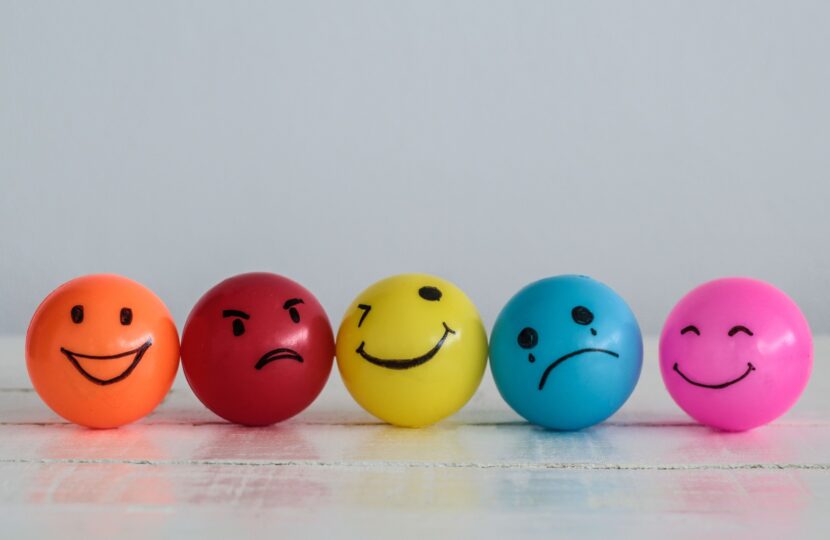
Emotional Contagion in Relationships : You might not hear a word, yet feel like something shifted. You sense heaviness, fatigue, or irritation; and you don’t know why. Welcome to the emotional undercurrent of relationships: contagious feelings. In homes, offices, and hearts, energy is constantly exchanged. Some emotions lift you. Others weigh you down. When repeated over time, this unconscious emotional intake affects your health. It distorts self-awareness and drains your vitality. It’s called emotional contagion and you’ve likely been carrying what isn’t yours.
How Unspoken Feelings Shape Your Mind, Body, and Bonds
The Emotion You Didn’t Create – But Still Carry
Emotional contagion in relationships often operates in silence. You didn’t choose the feeling. You didn’t invite it. Yet it lives inside you. It’s the stress of a partner, the sadness of a parent, the frustration of a friend. When your nervous system begins syncing with another’s unresolved state, you inherit their weight. Over time, you may begin to confuse their tension with your truth. You might even lose sight of where your emotions end; and theirs begin. This unconscious transmission is more than psychological; it’s biological. And it’s why awareness is the first step to freedom.
What Is Emotional Contagion?
Emotional contagion in relationships is the non-verbal transfer of emotional states between people. It happens through tone, expression, body language, and proximity. Your brain’s mirror neurons – specialized cells; are constantly observing and responding. They don’t just witness emotion. They simulate it inside you. That’s why one person’s sigh, laughter, or anger can ripple into your body. You absorb it before you even understand it. APA on mirror neurons
The Invisible Transfers in Daily Life
Emotional contagion in relationships doesn’t need loudness or conflict. It weaves itself through daily interactions, often unnoticed. We absorb energy in conversations, silence, glances, and tension. Unresolved emotions can linger in rooms, even after the person leaves. These transfers accumulate and leave traces in your mood and body. Most of us are absorbing more than we’re aware of.
In Romantic Relationships:
When a partner comes home tense, their silence speaks louder than words. Even if nothing is said, their energy shifts the atmosphere. Your body tightens, breath shortens, mood darkens. This transmission doesn’t require intention – it happens through presence. Without resolution, it repeats daily until your body anticipates it. Over time, you may feel stress that isn’t your own – but becomes your burden.
Between Parents and Children:
Children absorb emotional climates before they understand language. A parent’s anxiety becomes the child’s background noise. Shame, withdrawal, or chronic sadness can become templates. Even without verbal expression, emotions get embedded. The child adjusts their nervous system around the caregiver’s emotional pattern. What isn’t explained gets embodied. NIH on childhood emotional absorption
Among Friends:
A friend may visit and leave behind more than conversation. Some people carry an invisible emotional fog. You may feel drained after being around them. They haven’t said anything negative, yet something doesn’t feel right. Their energy becomes a cloud in your system. Without noticing, you walk away carrying emotions that aren’t yours.
At Workplaces:
Work environments are hubs for emotional contagion in relationships. A stressed boss can infect the emotional tone of a team. Anxious coworkers communicate urgency through posture and breath. Even silent tension can act like a virus. You enter calm – and leave fatigued, wondering what happened. This emotional transfer is real and measurable. NHS UK workplace stress
Why You Don’t Realize It’s Happening
Because your body is wired for connection. In early evolution, syncing with others meant survival. Our systems still mimic others unconsciously – long before logic kicks in. That’s why emotional contagion in relationships often goes unnoticed.
- It’s subconscious-: your body picks up signals and responds before you consciously register them. Even before your mind forms a thought, your breath shifts, your muscles tighten, or your mood dips. This is your nervous system mirroring someone else’s emotional state automatically. You feel the emotion in your body long before understanding where it came from.
- Society rewards suppression-: urging you to appear composed even when you’re internally overwhelmed. Phrases like “be strong” or “don’t overthink” sound empowering but often dismiss your emotional reality. Instead of validating your feelings, you’re taught to push them down. Over time, this creates a disconnect between what you feel and what you express.
- Language lags behind emotion-: the body feels things that words can’t yet express. You may sense a tight chest or a sinking heart but struggle to explain it. Often, your nervous system holds truths that your mind can’t articulate in the moment. Only after emotional fatigue sets in do you realize you’ve been carrying something all along.
When It Becomes Unhealthy: Emotional Enmeshment
There’s empathy – and then there’s emotional absorption. Empathy says: “I feel with you.” Absorption says: “I carry this as if it’s mine.” Chronic exposure to emotional contagion in relationships can blur boundaries. It creates emotional enmeshment – where you lose your emotional identity.
Signs You’re Emotionally Enmeshed:
- Your mood rises and falls depending on another person’s emotional state. Even when you’re unaware, their energy silently seeps into yours. You begin to feel what they feel, even without shared words or conflict. The boundary between your emotions and theirs becomes almost invisible.
- You feel a deep discomfort when asserting your needs or taking a break. There’s an internalized belief that prioritizing yourself is selfish. This guilt often stems from years of emotional over-responsibility. Instead of honoring your limits, you override them to keep others comfortable.
- You begin to feel anxious or overwhelmed without knowing why. The emotions of others blend into your inner world so seamlessly, they feel like your own. You mistake their tension, grief, or urgency for your lived experience. Over time, your emotional clarity erodes, leaving you disconnected from your authentic feelings.
- You feel drained and depleted after deep emotional interactions. Even short conversations can leave your body feeling heavy. It’s as if your energy has been handed over without your consent. This emotional leakage, when unchecked, leads to burnout, identity confusion, and emotional fatigue.
Emotional Immunity Is Not Emotional Distance
Emotional contagion in relationships is a natural part of our human wiring – a signal of deep connection and empathy. But it becomes unhealthy when we absorb others’ emotions without awareness. Learning emotional regulation allows us to remain connected without becoming consumed. Love, then, is not about carrying another’s pain blindly – it is about being present with compassion while maintaining emotional clarity. When you stop mistaking others’ storms for your sky, your peace strengthens. You don’t have to suppress care to protect your heart – you just need conscious boundaries. A clear nervous system can sense, support, and reflect without collapse. In that calm presence, you become healing itself.
How Therapist Can Help You
A therapist helps you distinguish what’s yours and what’s been absorbed. They create a safe space to explore emotional enmeshment and relational fatigue. With tools like breathwork, grounding, and narrative reframing, therapists guide you back to emotional autonomy. They help you reconnect with your truth – not someone else’s echo.
Welcome to Live Again India
At Live Again India Mental Wellness, we believe emotional clarity is freedom. If you’re carrying invisible burdens, you don’t have to do it alone. Our therapists help you reconnect with your self beneath the emotional noise. Welcome to a place where you are seen, supported, and free to feel again.