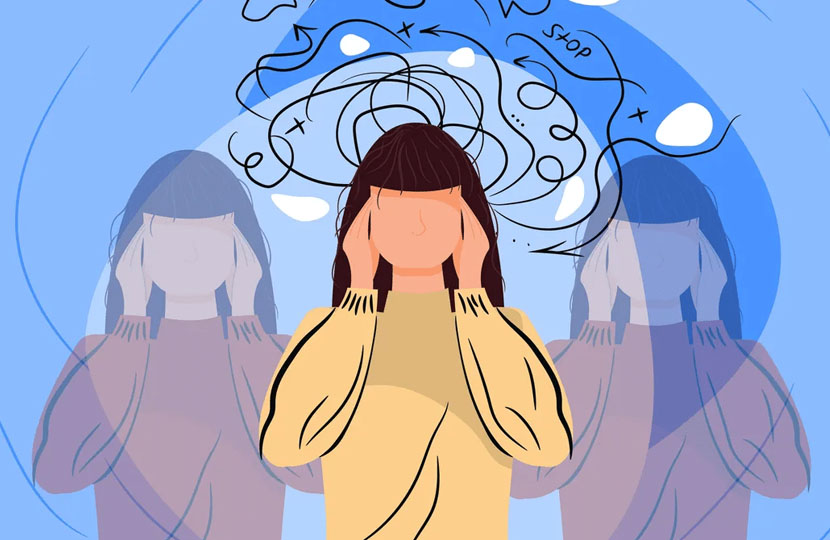
Ego defense mechanism types are the mind’s automatic ways to protect us from emotional pain, inner conflict, or threats to self‑image. They are not “good” or “bad” by themselves; they are protective strategies that help us cope until we are ready to face reality more directly. In psychotherapy, increasing awareness of these patterns reduces suffering and restores choice. (APA: American Psychological Association.)
Ego Defense Mechanism Types – Why the Mind Uses Them
We use defenses to maintain psychological equilibrium when stress, shame, fear, grief, or contradiction becomes too intense. In the short term, a defense can prevent overwhelm and allow us to function. In the long term, over‑reliance can block growth, numb feeling, and strain relationships. Talking therapies help you notice these patterns and gently replace them with healthier skills (NHS talking therapies guide, NHS).
Ego Defense Mechanism Types – Quick Map
Below are common defenses you’ll meet in life and therapy:
- Denial, Repression, Suppression
- Projection, Displacement, Rationalization
- Reaction Formation, Regression
- Intellectualization, Compartmentalization
- Dissociation, Splitting, Undoing
- Sublimation, Humor, Altruism (mature defenses)
- Identification/Introjection, Compensation, Somatization
Ego Defense Mechanism Types – Neuroscience Behind Defenses
Defenses emerge from fast, subcortical survival circuits interacting with slower, reflective networks:
- Amygdala & threat detection: rapidly tags stimuli as dangerous and drives avoidance or denial.
- Anterior cingulate cortex (ACC): detects conflict (e.g., “I want X but believe Y”) and signals need for control.
- Prefrontal cortex (PFC): reappraises, suppresses, or reframes emotion (e.g., intellectualization, suppression).
- Hippocampus: gives context to memories; weak contextualization may fuel generalized fear and displacement.
- Default Mode Network (DMN): maintains self‑narratives; defenses can protect a fragile self‑story until new meaning forms.
A practical review of psychotherapies and brain systems is outlined by NIMH (U.S. National Institute of Mental Health, NIMH).
Ego Defense Mechanism Types — Healthy vs. Unhealthy
- Adaptive (mature): humor, sublimation, altruism, suppression used consciously and flexibly.
- Neurotic: rationalization, displacement, reaction formation – workable but can complicate relationships if rigid.
- Maladaptive (when persistent): denial, dissociation, splitting – useful in acute crises but risky if they become the default.
Clinical judgment matters; in adolescents, defenses are still developing (general guidance for youth mental health: AAP/HealthyChildren by the American Academy of Pediatrics, HealthyChildren.org).
Ego Defense Mechanism Types and Meaning
1) Denial
Denial is the refusal to acknowledge a reality, feeling, or fact that feels too threatening to accept. It shields the mind from immediate pain but delays the ability to take corrective action. In the short term, it may give emotional breathing space; in the long term, it can block adaptation and healing.
Example: Ignoring medical advice after a diagnosis.
: Insisting a failing relationship is “fine” despite clear evidence.
2) Repression
Repression is the unconscious pushing away of distressing memories, thoughts, or desires from awareness. This keeps the person from being overwhelmed in the moment, but the hidden material often resurfaces indirectly as anxiety, mood changes, or physical symptoms. Therapy can help recover and process these memories safely.
Example: Forgetting details of a traumatic event but feeling dread in similar settings.
: “Forgetting” a childhood humiliation yet avoiding public speaking.
3) Suppression
Suppression is the conscious decision to postpone dealing with an emotion until a safer time. It allows functioning during critical moments but requires returning to the emotion later for resolution. Used wisely, it is adaptive; if habitual, it can stunt emotional growth.
Example: A doctor focuses on a patient in crisis, processing grief after the shift.
: A student delays dealing with sadness until exams are over.
4) Projection
Projection attributes one’s own unwanted emotions or traits to someone else. It temporarily relieves self-discomfort but distorts relationships and perception. Recognizing projection helps reclaim ownership of feelings and fosters healthier communication.
Example: A jealous partner accuses the other of flirting.
: Calling neutral feedback “judgment” due to one’s own insecurity.
5) Displacement
Displacement redirects emotions from their real source to a safer or less threatening target. While it protects from direct confrontation, it can harm unrelated people or objects. Awareness is the first step toward addressing the true source of emotion.
Example: Snapping at family after a stressful meeting at work.
: Slamming doors at home instead of confronting a critical boss.
6) Rationalization
Rationalization creates seemingly logical explanations for behaviors or feelings that stem from less acceptable motives. It helps preserve self-esteem but prevents honest self-assessment. Therapy encourages facing the real reasons beneath the surface story.
Example: Claiming you failed an exam because “the teacher was unfair” rather than due to lack of study.
: Saying “I drink to network” to hide dependency.
7) Reaction Formation
Reaction formation transforms an unacceptable impulse into its opposite. This can mask deep conflicts and often appears as exaggerated or insincere behavior. It may protect from rejection but requires ongoing emotional effort.
Example: Being overly friendly to someone you secretly dislike.
: Advocating strict morality while battling private desires.
8) Regression
Regression is reverting to childlike behaviors during stress. It provides temporary comfort and familiarity but can undermine adult coping skills. Supportive guidance helps re-establish age-appropriate responses.
Example: Pouting and refusing to talk during a disagreement.
: Asking parents to solve small problems during exam time.
9) Intellectualization
Intellectualization focuses on logic and facts to avoid engaging with painful emotions. It can be helpful in crisis but may limit emotional growth if overused. Balancing thinking and feeling is key.
Example: Discussing breakup stages clinically instead of grieving.
: Reciting cancer survival rates after diagnosis without addressing fear.
10) Compartmentalization
Compartmentalization separates conflicting values, emotions, or roles into isolated “boxes.” This reduces internal conflict temporarily but can create a fragmented self. Integration leads to greater authenticity.
Example: Being caring at home but ruthless at work without seeing conflict.
: Cheating on an online quiz despite valuing honesty.
11) Dissociation
Dissociation involves detaching from reality, identity, or surroundings to cope with overwhelming stress. It can range from mild “spacing out” to severe amnesia. Gentle grounding techniques and therapy restore connection.
Example: Losing track of time during a stressful conversation.
: Feeling like life is “a movie” during a panic attack.
12) Splitting
Splitting sees people or oneself as all-good or all-bad, with no middle ground. It simplifies overwhelming emotions but prevents nuanced understanding. Integration involves tolerating mixed qualities.
Example: Idolizing a mentor, then seeing them as completely bad after a minor conflict.
: Alternating between “I’m perfect” and “I’m worthless” in the same day.
13) Undoing
Undoing tries to “erase” an unwanted thought or act through a symbolic opposite action. It may bring short-term relief but reinforces magical thinking rather than accountability.
Example: Over-apologizing with gifts after a harsh remark.
: Performing rituals to cancel “bad” thoughts.
14) Sublimation
Sublimation redirects unacceptable urges into socially constructive outlets. It’s considered a mature defense because it channels energy into positive results.
Example: Using competitive sports to release aggressive impulses.
: Writing music to process heartbreak.
15) Humor
Humor uses wit to address difficult emotions in a socially acceptable way. It can defuse tension and create connection but should not be the sole coping method.
Example: Joking about hospital food to ease fear before surgery.
: Light banter among colleagues after a stressful deadline.
16) Altruism
Altruism meets personal emotional needs through acts of helping others. Healthy altruism benefits both giver and receiver, but it must be balanced with self-care.
Example: Volunteering for a helpline after surviving a crisis.
: Mentoring others after recovering from personal loss.
17) Identification / Introjection
Identification adopts traits of admired or powerful figures to feel secure or valued. It can build skills but risks loss of authenticity if over-relied upon.
Example: Adopting a mentor’s calm manner in stressful situations.
: Dressing like a peer group to fit in.
18) Somatization
Somatization expresses psychological distress through physical symptoms without an adequate medical cause. It draws attention to unmet emotional needs through the body.
Example: Headaches that worsen during family conflict.
: Stomach cramps before important conversations.
Ego Defense Mechanism Types – When They Become Unhealthy
Defenses become problematic when they are rigid, automatic, and out of proportion to the situation. Signs include repeated conflicts, emotional numbness, loss of intimacy, and avoidance of important tasks. Evidence‑based therapies (CBT, DBT, psychodynamic, trauma‑focused) help you name the pattern, tolerate the emotion underneath, and try safer behaviors. APA (American Psychological Association, APA).
Ego Defense Mechanism Types – How to Recognize Your Own Patterns
- Track your trigger → feeling → impulse → action.
- Notice language: “I’m fine,” “It’s nothing,” “They’re the problem” (possible denial/projection).
- Watch for mismatch: big logic, tiny feeling (intellectualization); big feeling, small context (displacement).
- Ask safe others, “What do you see me doing when I’m stressed?”
- Use a simple journaling or mood‑tracking routine; share highlights in therapy for guided reflection (basic self‑help overviews via NHS: NHS mental health self‑care).
Ego Defense Mechanism Types – Micro‑Practices to Soften Defenses
- Name it to tame it: “This might be rationalization.”
- Body first: 4‑7‑8 breathing, paced exhale, grounding (orient to room, name 5 things you see).
- Feel safely: Give emotion a 90‑second window before problem‑solving.
- Opposite action: If avoiding, approach a little; if over‑explaining, share one feeling sentence.
- Sublimate: Channel energy into movement, art, service. (NIMH skills & strategies in psychotherapy, NIMH.)
Ego Defense Mechanism Types — Working with Children & Teens
In younger people, defenses are fluid and closely tied to development stages; supportive modeling and predictable routines help. Caregivers can validate feelings, teach naming emotions, and coach flexible coping. For pediatric guidance and family‑focused resources, AAP/HealthyChildren (HealthyChildren.org).
Ego Defense Mechanism Types – Quick Reference
(Use this quick list when you need classroom or session‑room examples fast.)
- Denial: ignoring medical advice; insisting relationship is “fine.”
- Repression: cannot recall humiliation; avoids public speaking.
- Suppression: postpones tears till after duty; studies first, feels later.
- Projection: accuses partner of flirting; calls neutral feedback “judgment.”
- Displacement: snaps at family after boss’s critique; kicks furniture after exam.
- Rationalization: blames “biased panel”; “I drink to network.”
- Reaction Formation: sugary politeness toward resented peer; moral crusade hiding desire.
- Regression: sulks like a teen; calls parents for simple tasks.
- Intellectualization: recites stats after diagnosis; analyzes breakup clinically.
- Compartmentalization: kind at home/harsh at work; “honest” but cheats online.
- Dissociation: loses time during trauma talk; feels like a movie.
- Splitting: idolize → devalue mentor; swings from perfect to useless.
- Undoing: ritual to cancel “bad” thought; gifts after outburst.
- Sublimation: channel anger to sport; turn grief into art.
- Humor: gentle jokes in hospital; team laughter after crunch.
- Altruism: helpline volunteering; mentoring after loss.
- Identification/Introjection: borrow mentor’s tone; adopt bully’s style.
- Somatization: headaches with family fights; cramps before hard talks.
How Therapist Can Help You
A trained therapist helps you name the defense, feel safer with the emotion underneath, and build flexible alternatives. They map triggers, teach skills, and strengthen self‑compassion so change is sustainable. When needed, therapy integrates medical care for a whole‑person plan. Together, you move from automatic protection to conscious choice.
Welcome to Live Again
Welcome to Live Again India Mental Wellness. You are not alone; your mind is protectively trying to help you. We stand with you to feel safely, heal gently, and grow steadily. When you’re ready, we’re here to walk the next step together.
If you are experiencing any mental health issue, or know someone, who is suffering. Seek Professional Help and talk to your mental health expert. Your mental health care is our priority. Your life is precious; take care of yourself and family. You are not alone. We are standing by you. Life is beautiful. Live it fully. Say yes to life. Welcome to life.