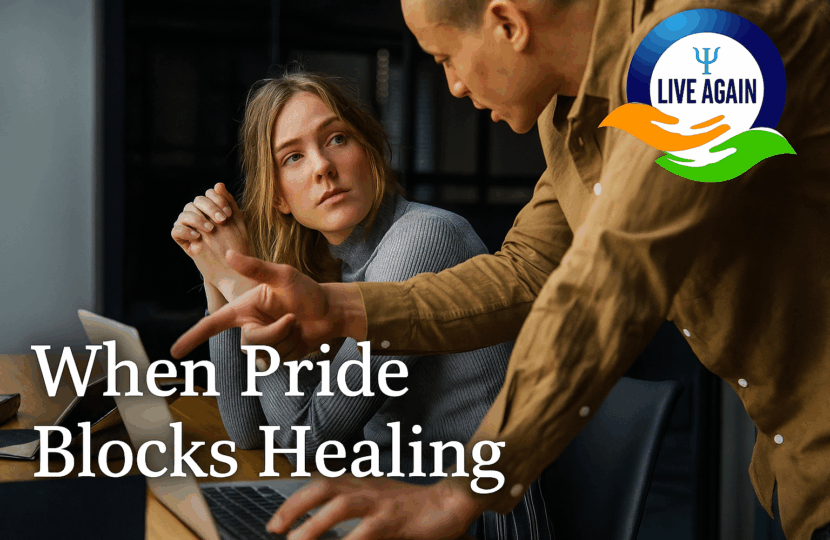
When Pride Blocks Healing: Understanding Ego Defense in Relationships
Ego Defense in Relationships
In the intimate space between two people, trust and vulnerability form the core threads that hold the bond together. But when pride enters the room, those threads can fray — sometimes quietly, sometimes in dramatic bursts. Ego defense in relationships happens when our instinct to protect our self-image overshadows our willingness to connect, admit fault, or show vulnerability.
While these defenses may momentarily shield us from discomfort, they come with a cost: emotional distance, unresolved pain, and the slow erosion of intimacy. This article will explore the psychology, neuroscience, and interpersonal dynamics of ego defense, and provide practical strategies for breaking the cycle.
What is Ego Defense in Relationships?
The term “ego defense” originates from psychoanalytic theory, where Sigmund Freud described defense mechanisms as unconscious strategies the mind uses to manage internal conflict and protect self-esteem. In relationships, ego defense manifests as behaviors or attitudes that prioritize “being right” or “saving face” over repair and mutual understanding.
According to the American Psychological Association (APA Dictionary – Defense Mechanisms), defense mechanisms are “automatic psychological processes that protect the individual against anxiety and from awareness of internal or external stressors.” While some defenses can be adaptive (like taking a pause to cool down), chronic reliance on pride-driven defenses can harm relationship health.
Why Pride Feels Safer than Vulnerability
Ego defense often feels safer because vulnerability is perceived — often unconsciously — as risky. Admitting fault, expressing hurt, or acknowledging the other person’s perspective requires us to lower our emotional armor. This openness can trigger fears of:
- Rejection: “If I admit this, they might leave me.”
- Shame exposure: “If I say I was wrong, I’ll look weak.”
- Loss of control: “If I open up, I lose the upper hand.”
Neuroscience research supports this. The amygdala, the brain’s threat detection center, can interpret emotionally charged conversations as danger. This activates the body’s fight-or-flight response (NHS – How to Deal with Stress), making defensive pride feel like self-preservation rather than self-sabotage.
The Shame–Defense Cycle
One of the most frequently observed and psychologically significant patterns in ego defense in relationships is known as the shame–defense cycle, a repeating loop in which feelings of inadequacy or perceived personal failure trigger protective pride-based reactions that, while offering temporary relief, tend to deepen relational rifts over time:
Trigger: A conflict, criticism, or perceived slight sets off an intense internal reaction of shame — a deep, often wordless emotional experience rooted in the sense that “something is fundamentally wrong with me,” which can be accompanied by physiological stress signals such as a racing heart, flushed skin, or a tightening in the chest.
Defense Activation: In an effort to escape or neutralize this intense discomfort, the individual often shifts into a pride-driven defensive posture. This can include denying the validity of the other person’s perspective, offering elaborate justifications for their own behavior, using sarcasm to deflect vulnerability, or counterattacking to regain a sense of control. These behaviors serve as emotional armor, shielding the person from perceived harm while simultaneously creating greater emotional distance.
Short-Term Relief: In the immediate aftermath of this defensive shift, the intense feelings of shame often diminish for a brief period. This is because attention and emotional energy are redirected outward — toward identifying, emphasizing, or criticizing the other person’s perceived flaws or mistakes — rather than inward toward self-reflection. This outward focus offers a momentary sense of control and emotional reprieve, even though it delays genuine understanding and resolution.
Long-Term Damage: Over time, the underlying issue remains unaddressed and continues to exert a corrosive influence on the relationship. The absence of resolution gradually wears away mutual trust, fosters a climate of guardedness, and diminishes both emotional and physical intimacy, making it harder for partners to reconnect and creating a cycle of distance that becomes increasingly difficult to break.
Common Forms of Ego Defense in Relationships
Defensiveness can manifest along a wide spectrum, from the most understated micro-responses to overt and disruptive behaviors. It may emerge in tone of voice, body language, or patterns of speech, and can be intentional or unconscious. Some of the most common manifestations include:
- Refusal to Apologize: Consistently avoiding or resisting direct acknowledgment of wrongdoing, often to protect one’s self-image or maintain a perceived position of strength. This may involve sidestepping responsibility, offering conditional or non-apology statements, or deflecting blame entirely, which can hinder trust-building and emotional repair in the relationship.
- Minimizing: Consistently downplaying or dismissing a partner’s emotions or experiences, often with phrases like “It’s not a big deal,” to sidestep accountability. This can involve belittling the intensity of their feelings, shifting focus away from the issue at hand, or reframing events to make concerns seem insignificant, which can erode trust and invalidate the partner’s lived experience.
- Blame-Shifting: Habitually redirecting fault onto the partner — often with statements like “This is your fault, not mine” — as a way to preserve a sense of control or avoid personal accountability. This pattern may involve reframing events to cast oneself in a favorable light, exaggerating the other person’s role in the conflict, or ignoring one’s own contributions, which can fuel resentment and obstruct conflict resolution.
- Over-Rationalizing: Habitually leaning on logic, facts, or intellectual reasoning to invalidate, dismiss, or downplay a partner’s emotional experiences. This often involves reframing feelings as irrational or irrelevant, prioritizing analytical debate over empathy, and sidestepping the need to acknowledge the emotional truth being expressed, which can leave the other person feeling unseen and devalued.
- Stonewalling: Completely withdrawing — physically, emotionally, or both — from the conversation or interaction as a way to avoid discomfort, conflict, or vulnerability. This can include refusing to engage verbally, giving one-word answers, avoiding eye contact, or leaving the space entirely. While it may provide temporary relief from tension, over time it can signal disinterest, create emotional isolation, and block opportunities for healthy resolution.
The Gottman Institute, a leading authority on relationship research, identifies defensiveness as one of the “Four Horsemen” — a group of destructive communication patterns strongly associated with relationship breakdown. Defensiveness, in this context, refers to the habitual tendency to protect oneself from perceived blame or attack by counter-blaming, making excuses, or refusing to take responsibility. Recognizing and addressing this pattern early can significantly improve relational outcomes (Gottman – Defensiveness).
The Psychological Roots of Ego Defense
Ego defense in relationships frequently has deep psychological roots, often stemming from behavioral and emotional patterns established long before the current partnership began. These patterns may originate in early family dynamics, formative social interactions, or prior intimate relationships, creating habitual responses that carry forward and influence present-day interactions:
- Attachment Styles: Individuals with an anxious attachment style may become defensive as a preemptive measure to avoid perceived rejection or abandonment, often overexplaining or clinging to maintain connection. Conversely, those with an avoidant attachment style may deploy defenses to preserve emotional distance and autonomy, withdrawing or minimizing to protect themselves from vulnerability. Understanding these patterns can illuminate why different people react defensively in contrasting ways (APA – Attachment Theory).
- Childhood Experiences: Growing up in environments where admitting fault was met with punishment, ridicule, or harsh criticism can hardwire defensive habits into a person’s relational style. Such early experiences may teach individuals that vulnerability is unsafe, leading them to adopt pride-based defenses as a means of self-protection. Over time, these ingrained patterns can resurface in adult relationships, making it challenging to engage openly and accept responsibility without fear of negative consequences.
- Cultural Norms: In many societies, deep-rooted cultural expectations — particularly those tied to gender roles — may implicitly or explicitly discourage open emotional expression or offering sincere apologies. For example, men may be socialized to view vulnerability as weakness, while women may be taught to suppress anger to maintain harmony. These ingrained norms can make authentic emotional engagement and accountability more challenging in intimate relationships.
The Cost of Chronic Ego Defense
When ego defense in relationships becomes a person’s habitual, default mode of interacting during conflict or emotionally charged moments, it can carry profound and far-reaching consequences that undermine the health and longevity of the relationship:
- Trust Erosion: Without consistent accountability and genuine efforts to own one’s actions, trust becomes stagnant and fragile, unable to develop or deepen over time. Over repeated interactions, this fragility may transform into suspicion or doubt, as partners begin to question the reliability and sincerity of each other’s words and commitments. Over time, this erosion can create a foundational instability that affects every aspect of the relationship.
- Emotional Disconnection: Conversations remain superficial, skimming over issues without exploring underlying emotions or unmet needs. This lack of depth prevents genuine emotional intimacy, leaving partners feeling unseen, unheard, and increasingly distant from one another.
- Conflict Escalation: Unresolved issues tend to resurface over time with greater emotional charge, often triggering more intense arguments or confrontations than the original conflict. This amplification can lead to increasingly hostile exchanges, entrenched positions, and a faster breakdown of constructive dialogue, making resolution progressively more difficult.
- Reduced Relationship Satisfaction: Persistent defensiveness has been shown through research to correlate with diminished emotional fulfillment, weakened relational bonds, and a greater likelihood of eventual breakup or divorce. Over time, this pattern can undermine the joy, trust, and partnership quality that sustain healthy connections (APA – Healthy Relationships).
Recognizing Your Own Defensiveness
Developing self-awareness is the critical first step toward meaningful change, because you cannot shift a pattern you have not yet recognized. Ask yourself with honesty and curiosity:
- Do I tend to explain my actions instead of acknowledging their impact?
- Do I feel the urge to correct or counter when criticized?
- Do I avoid saying “I’m sorry” even when I know I’m wrong?
If the answer is “yes” to several, ego defense may be playing a significant role in your interactions.
How to Reduce Ego Defense and Promote Healing
Breaking pride-driven patterns requires consistent self-reflection, deliberate practice, and a willingness to step outside your comfort zone. It’s a process that demands patience, emotional courage, and openness to feedback. Here’s how to begin:
i) Pause Before Responding
When you feel triggered, deliberately pause for a slow, deep breath — or even a few — before speaking. This short moment of mindful interruption helps calm your nervous system, gives your prefrontal cortex time to re-engage, and disrupts the brain’s automatic threat response, allowing you to respond with greater clarity and emotional regulation.
ii) Use “I” Statements
Instead of defaulting to accusatory phrases like “You always…,” consciously reframe your message to begin with “I feel…” followed by the specific emotion or experience you wish to express. This approach shifts the focus from placing blame to sharing personal perspective, which reduces defensiveness in the listener and fosters a more open, collaborative dialogue.
iii) Name the Feeling
Consciously identifying and verbalizing your emotions — for example, saying “I feel hurt” instead of the default “I’m fine” — can create a powerful shift from defensiveness toward openness. This practice validates your inner experience, signals authenticity to your partner, and invites a more empathetic and constructive exchange.
iv) Practice Controlled Vulnerability
Begin by sharing small, low-stakes admissions that carry minimal emotional risk, such as acknowledging a minor oversight or expressing a simple preference. As mutual trust and emotional safety are established, progressively work toward discussing more sensitive or significant topics. This gradual approach helps build resilience, reduces fear of judgment, and fosters a deeper sense of connection.
v) Active Listening
Reflect back what you hear in your own words before responding, ensuring you have accurately understood the message. This not only signals to your partner that you value and respect their perspective but also reduces misunderstandings, fosters empathy, and creates a safer space for open dialogue.
The NHS offers a clear, accessible, and practical guide on improving communication in relationships, with tips for building understanding, managing disagreements respectfully, and strengthening long-term connection (NHS – Better Relationships).
The Role of Self-Compassion
Many people mistakenly assume that lowering ego defenses will expose them to harm or make them appear weak. In truth, self-compassion is a powerful skill that can strengthen emotional resilience, reduce reactivity, and foster healthier connections. According to research from Kristin Neff, PhD, self-compassion means intentionally treating yourself with kindness, understanding, and patience in moments of failure or difficulty, which in turn reduces the impulse to defend against shame and opens the door to more authentic engagement (self-compassion.org).
Seeking Professional Help
A trained therapist can:
- Help identify unconscious defense patterns.
- Teach emotional regulation strategies.
- Guide couples through safe, structured dialogues.
- Support the gradual rebuilding of trust.
The British Association for Counselling and Psychotherapy (BACP) emphasizes that therapy offers a neutral, supportive environment to explore and change defensive habits (BACP – Couples Therapy).
How a Therapist Can Help You
Therapists provide a safe, neutral space for exploring relationship difficulties without judgment. They help identify and shift defensive patterns, guide partners toward more open communication, and build practical strategies for long-term trust repair.
Welcome to Live Again India
At Live Again India Mental Wellness, we understand the walls pride can build between people. We work with you to replace defensiveness with openness, trust, and connection. You are not alone — we walk this journey toward healing with you.
If you are experiencing any mental health issue, or know someone, who is suffering. Seek Professional Help and talk to your mental health expert. Your mental health care is our priority. Your life is precious; take care of yourself and family. You are not alone. We are standing by you. Life is beautiful. Live it fully. Say yes to life. Welcome to life.