

Emotional Safety In Growth
Emotional Safety In Growth explains why people cannot grow peacefully when the mind feels judged, rushed, compared, or emotionally unsafe. This article explores how pressure, criticism, fear, family expectations, and self-attack can block inner progress. It also explains how therapy can help people rebuild calm confidence, self-trust, emotional safety, and steady personal growth.

How Memories Shape Relationships
Relationships do not end only in real life – they often continue inside memory. This article explores how emotional memories shape trust, closeness, hurt, longing, and healing. It explains why the past still influences present connection and how therapy can help. Healing does not require forgetting; it requires healthier emotional integration.

Narcissistic Traits Emotional Safety
Repeated narcissistic traits can slowly make love feel emotionally unsafe, even when the relationship still looks normal from the outside. This article explains how fear, overthinking, emotional invalidation, and loss of self-trust begin to affect a person’s inner world. It also shows how emotional unsafety damages mental health, weakens self-worth, and makes ordinary love feel confusing and heavy. With awareness, boundaries, and the right support, emotional clarity and safer love can slowly return.

Red Flag in Relationship | Warning Signs and Self-Protection
A relationship is not unhealthy because it is imperfect. It becomes concerning when painful patterns keep repeating without real repair.
A red flag in relationship is not about fear of love — it is about emotional clarity and self-protection.
If a bond keeps making you feel more confused than connected, your mind and heart are already receiving important information.
Noticing a warning sign early is not negativity. It is emotional wisdom.

Self Abandonment and Self Discipline
Self-abandonment often begins quietly, when you keep ignoring your needs, emotions, limits, and inner truth to maintain peace, attachment, or approval.
Healthy self-discipline is not punishment; it is the gentle strength to return to yourself through sleep, routine, boundaries, honesty, and emotionally responsible choices.
When you stop leaving yourself behind, your mind becomes clearer, your relationships become healthier, and your life starts feeling more grounded from within.
Healing begins not with perfection, but with one daily decision to treat yourself as someone you must not abandon again.
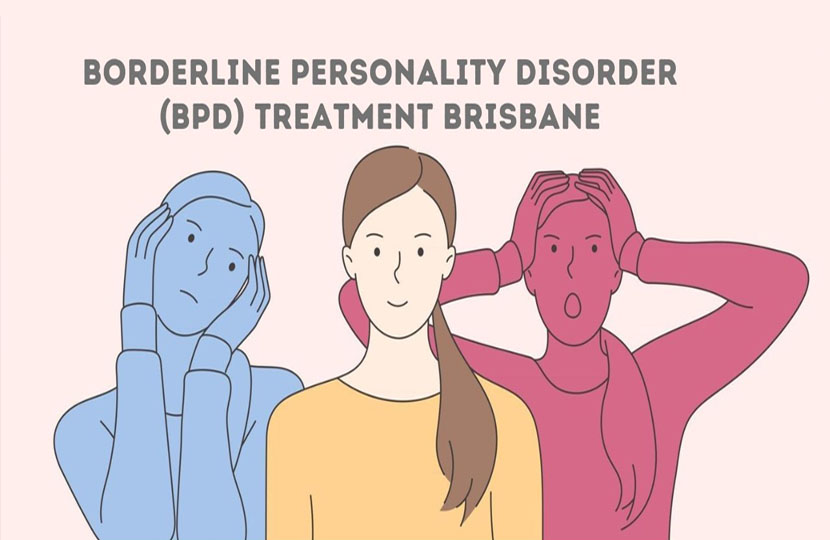
Borderline Personality Disorder Therapy
Borderline Personality Disorder (BPD) is one of the most emotionally intense and challenging mental health conditions, but it is also highly treatable. People living with BPD often face overwhelming emotions, unstable relationships, impulsive actions, and a shaky sense of self.

Chronic Fight Freeze Loop
Chronic Fight Freeze Loop In many trauma-affected or emotionally conflicted individuals, their nervous system becomes trapped in what can be described as a chronic fight–freeze loop – a state where the body simultaneously prepares for battle and immobility.
Alcohol Dependence Syndrome Family Dynamics
Alcohol Dependence Syndrome affects not just the individual but the entire family system, creating cycles of codependency, emotional strain, and social stigma. High expressed emotions, mistrust, and role confusion often damage relationships and increase relapse risk. Spouses and children carry hidden burdens that may continue across generations if left unaddressed. With timely therapy, psychoeducation, and family support, healing and resilience are possible for both the person and their loved ones. L@A
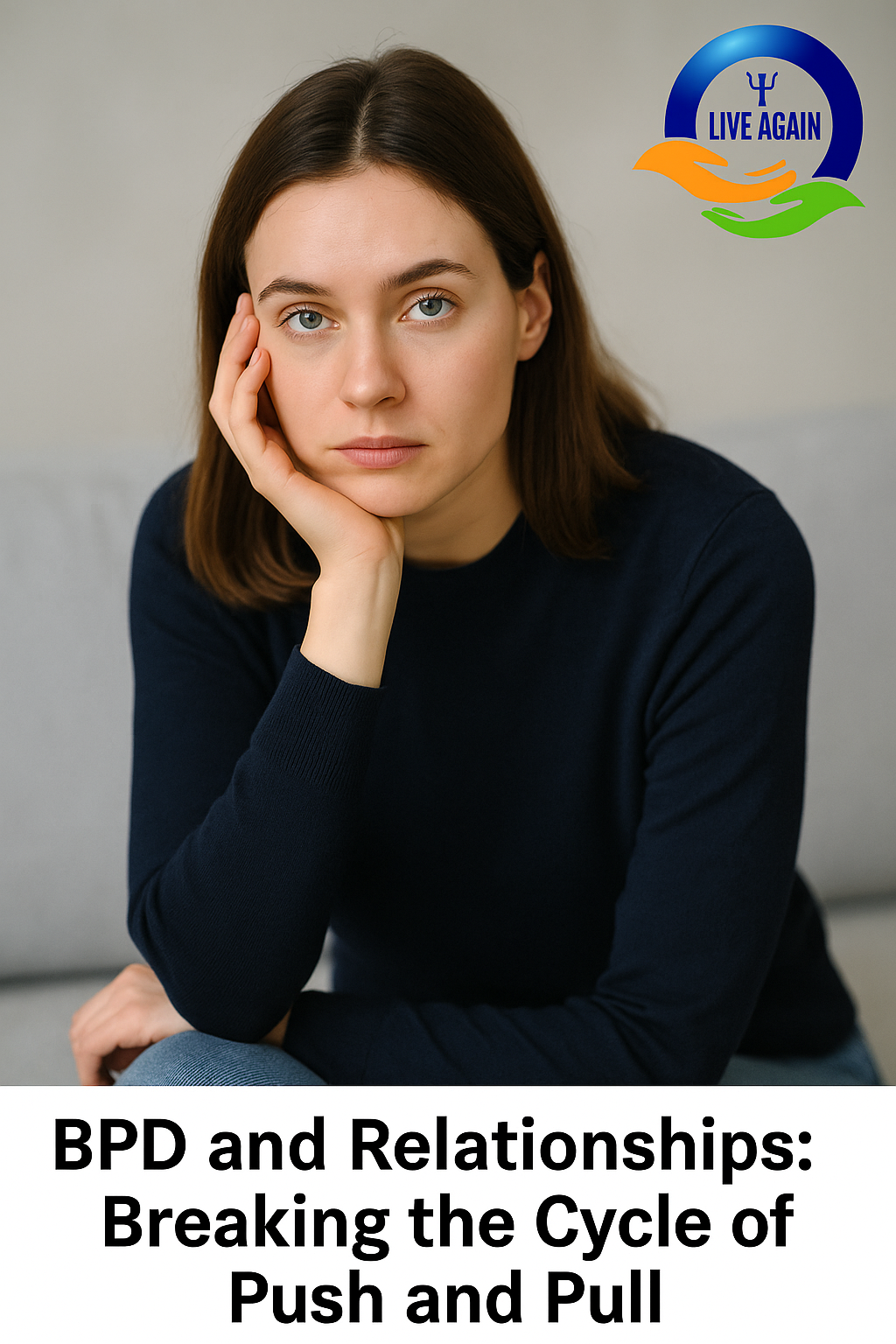
BPD and relationships
BPD and relationships often mirror each other’s emotional intensity, creating cycles of closeness and distance that feel overwhelming. Understanding these dynamics requires compassion for the fear of abandonment that drives them, along with skills to regulate emotions and improve communication. With therapy, partners can break the push–pull cycle and build stability. Healing is possible when both sides commit to growth and connection.

Digital Dopamine Screen Zombies
Digital dopamine screen zombies result from constant exposure to screen-based dopamine triggers. This leads to emotional fatigue, poor attention, and shallow engagement with real life.
Therapy addresses these patterns through cognitive and behavioral restructuring. Discover the root causes – and reclaim your attention. L@A
L@A