

Self Abandonment and Self Discipline
Self-abandonment often begins quietly, when you keep ignoring your needs, emotions, limits, and inner truth to maintain peace, attachment, or approval.
Healthy self-discipline is not punishment; it is the gentle strength to return to yourself through sleep, routine, boundaries, honesty, and emotionally responsible choices.
When you stop leaving yourself behind, your mind becomes clearer, your relationships become healthier, and your life starts feeling more grounded from within.
Healing begins not with perfection, but with one daily decision to treat yourself as someone you must not abandon again.
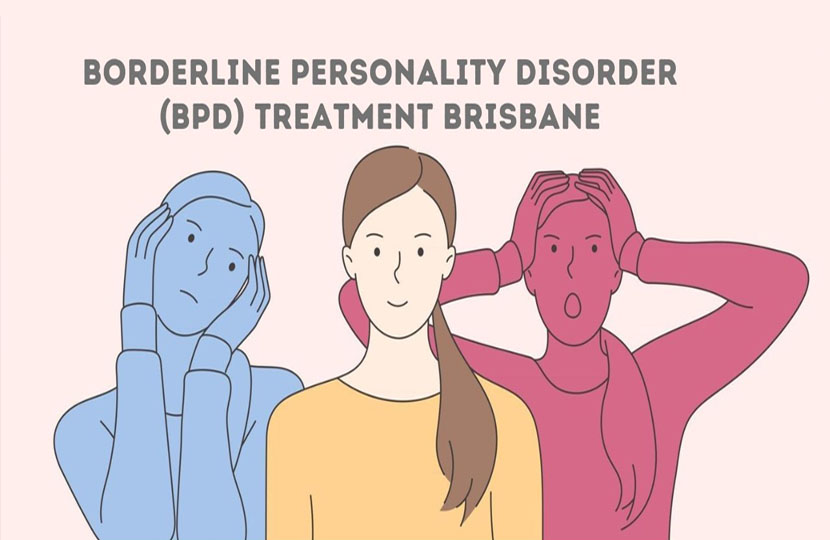
Borderline Personality Disorder Therapy
Borderline Personality Disorder (BPD) is one of the most emotionally intense and challenging mental health conditions, but it is also highly treatable. People living with BPD often face overwhelming emotions, unstable relationships, impulsive actions, and a shaky sense of self.

Chronic Fight Freeze Loop
Chronic Fight Freeze Loop In many trauma-affected or emotionally conflicted individuals, their nervous system becomes trapped in what can be described as a chronic fight–freeze loop – a state where the body simultaneously prepares for battle and immobility.
Alcohol Dependence Syndrome Family Dynamics
Alcohol Dependence Syndrome affects not just the individual but the entire family system, creating cycles of codependency, emotional strain, and social stigma. High expressed emotions, mistrust, and role confusion often damage relationships and increase relapse risk. Spouses and children carry hidden burdens that may continue across generations if left unaddressed. With timely therapy, psychoeducation, and family support, healing and resilience are possible for both the person and their loved ones. L@A
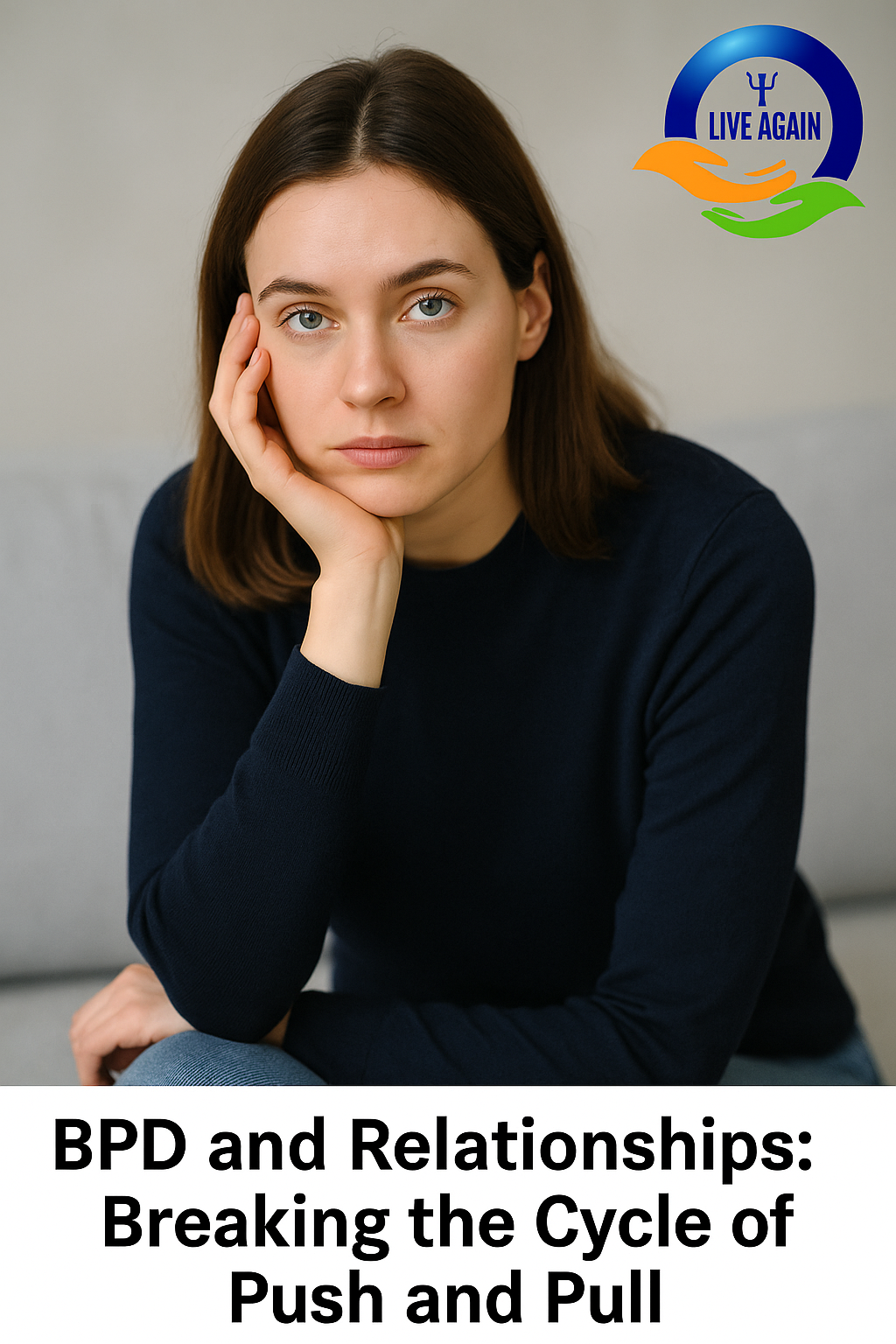
BPD and relationships
BPD and relationships often mirror each other’s emotional intensity, creating cycles of closeness and distance that feel overwhelming. Understanding these dynamics requires compassion for the fear of abandonment that drives them, along with skills to regulate emotions and improve communication. With therapy, partners can break the push–pull cycle and build stability. Healing is possible when both sides commit to growth and connection.

Digital Dopamine Screen Zombies
Digital dopamine screen zombies result from constant exposure to screen-based dopamine triggers. This leads to emotional fatigue, poor attention, and shallow engagement with real life.
Therapy addresses these patterns through cognitive and behavioral restructuring. Discover the root causes – and reclaim your attention. L@A

Healing Is Not Linear
Each painful emotion activates neural memory — but also invites new meaning.
A relapse doesn’t erase your growth; it highlights where care still belongs. Silence isn’t a void; it’s a sacred pause where integration begins. Healing is not linear because the mind heals in spirals, not in straight lines. What feels like failure is often a threshold to deeper self-awareness.
Identity Confusion in Mental Health
“Identity confusion often signals a deeper emotional struggle. It may arise from unresolved trauma, social pressure, or personality challenges. As therapists, we help clients rebuild a grounded sense of self. Through guided exploration, clarity and confidence slowly return.”

Social Media Mirror Effect Impact on Mental Health Identity
This comprehensive article addresses Social Media Mirror Effect through evidence-based psychological principles and current research findings. The content integrates multiple therapeutic approaches while maintaining accessibility for general audiences seeking understanding and support. Professional references ensure clinical accuracy while personal examples create emotional connection and practical relevance. The article structure supports both casual reading and professional reference use for mental health education and awareness initiatives. L@A
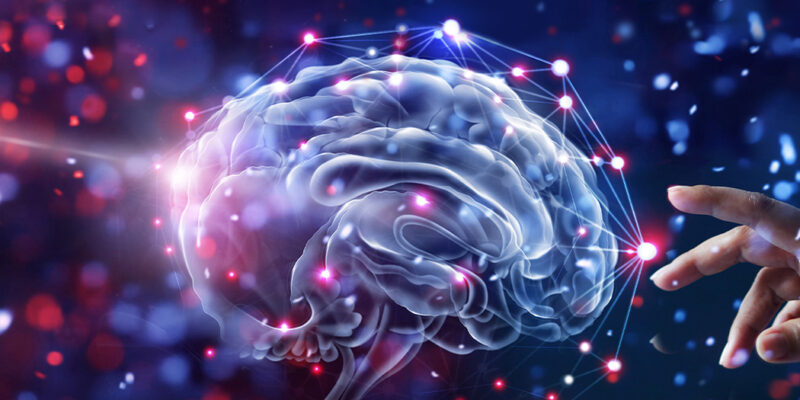
Functional Neurological Symptom Disorder
Functional Neurological Symptom Disorder presents with neurological symptoms incompatible with medical findings. It reflects a complex interaction between psychological distress and brain function. Evidence supports the efficacy of trauma-informed CBT interventions. Multidisciplinary support optimizes prognosis and functional restoration.
L@A