
Ego Defense Mechanism Types
Ego defense mechanisms are unconscious or conscious strategies the mind uses to protect itself from emotional distress, inner conflict, or perceived threats. While they can be adaptive in short-term situations, over-reliance can distort reality, strain relationships, and limit personal growth. Understanding their meaning, neuroscience, and real-life examples allows individuals to recognize patterns and choose healthier coping strategies. Therapy helps in replacing rigid defenses with flexible, conscious responses that promote emotional resilience.
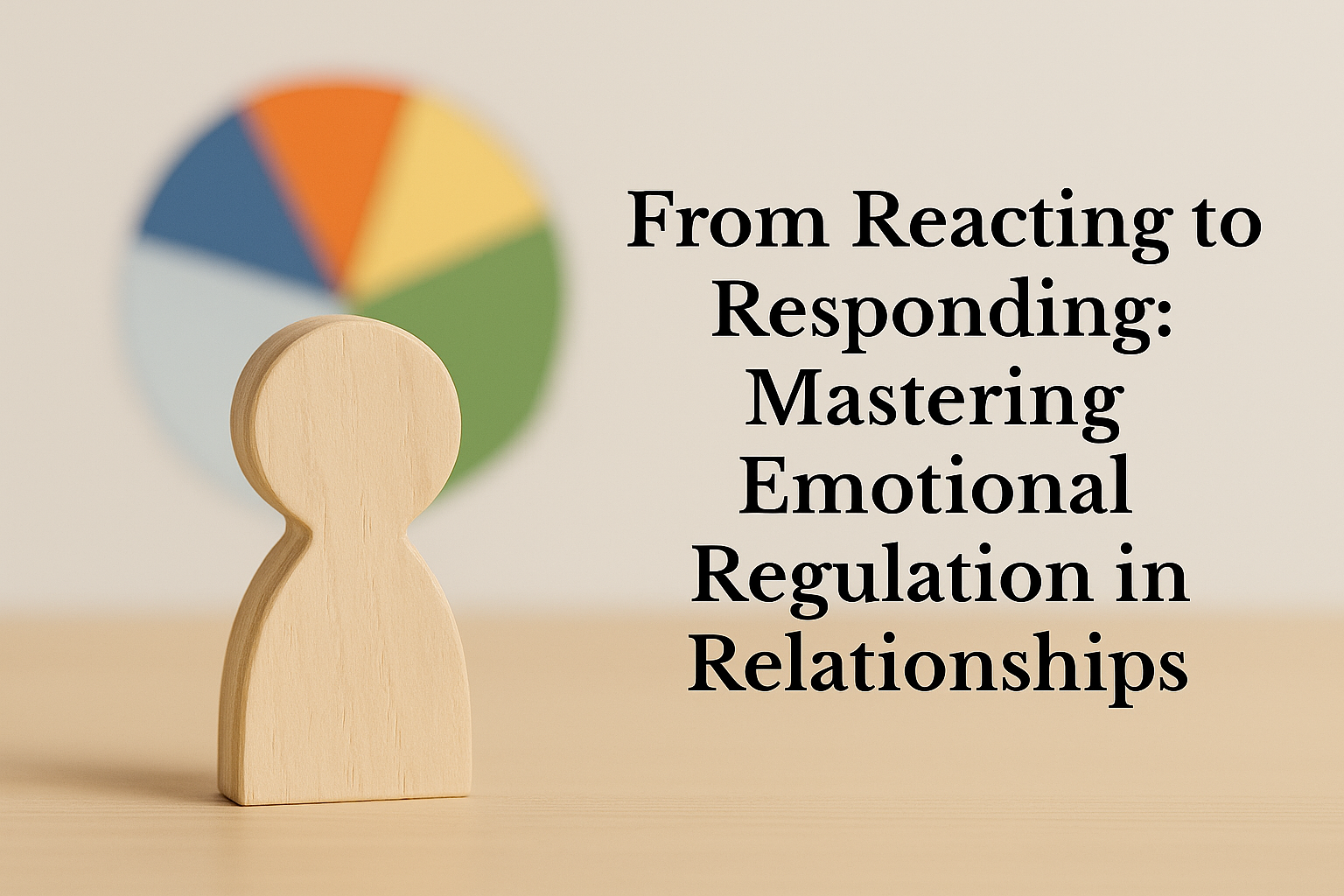
Emotional Regulation in Relationships
Emotional regulation is less about controlling emotions and more about channeling them into constructive expression. The shift from reacting to responding strengthens trust, improves understanding, and creates a more resilient bond.

Ego Defense in Relationships – How Pride Delays Healing
This article provides a clear and in-depth understanding of ego defense in relationships, explaining how pride-based reactions can block emotional repair. It examines psychological roots, common defensive behaviors, and their long-term impact on trust and intimacy. The piece offers practical, empathetic strategies to reduce defensiveness and foster openness. It balances scientific explanation with relatable guidance to support healthier relationship dynamics. L@A

Digital Dopamine Screen Zombies
Digital dopamine screen zombies result from constant exposure to screen-based dopamine triggers. This leads to emotional fatigue, poor attention, and shallow engagement with real life.
Therapy addresses these patterns through cognitive and behavioral restructuring. Discover the root causes – and reclaim your attention. L@A

Emotional Disharmony High Performers: Success Without Peace
Even high achievers can silently suffer.
Success without emotional alignment leads to quiet unrest. Therapy helps uncover the inner dissonance behind perfection. It’s not burnout – it’s emotional disharmony.

Emotional Loneliness in Marriage
A therapist helps identify silent emotional gaps in your relationship. They guide both partners toward safe, honest expression and healing. With expert support, couples learn to rebuild trust and emotional connection.
Therapy becomes the space where understanding replaces loneliness.
L@A
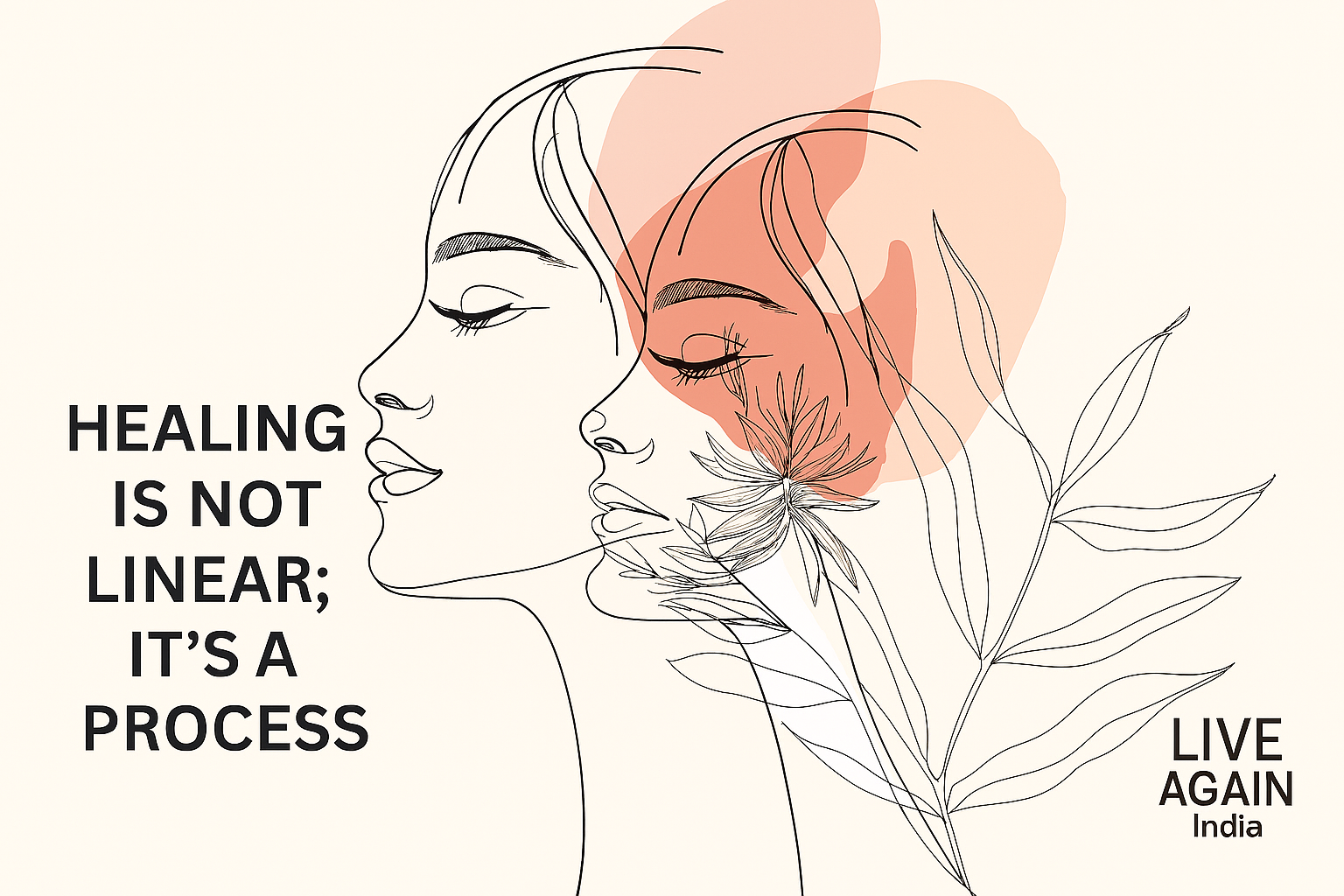
Healing Is Not Linear
Each painful emotion activates neural memory — but also invites new meaning.
A relapse doesn’t erase your growth; it highlights where care still belongs. Silence isn’t a void; it’s a sacred pause where integration begins. Healing is not linear because the mind heals in spirals, not in straight lines. What feels like failure is often a threshold to deeper self-awareness.
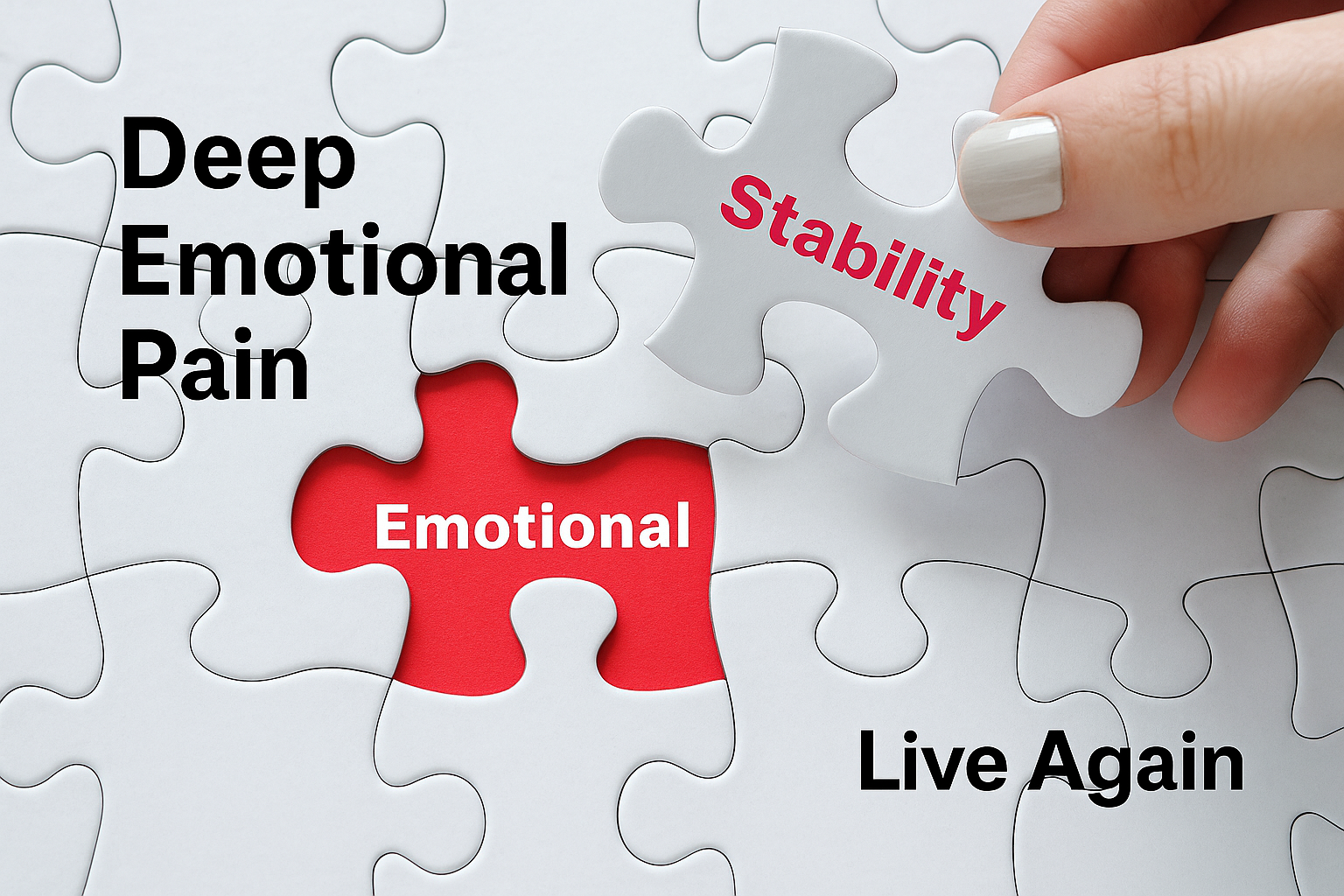
Rejection Sensitivity and BPD
This article explores the deep emotional pain of Rejection Sensitivity and BPD, rooted in early trauma and brain dysregulation. It explains how rejection triggers intense emotional responses, interpersonal struggles, and identity instability. Drawing from neuroscience and therapy insights, it highlights the overlap with ADHD and the healing path through DBT. The article offers hope, tools, and professional guidance to manage RSD and build emotional resilience.

Emotional Numbness Recovery: From Numb to Alive
This article gently unpacks the journey from emotional numbness to feeling alive again. It explores how long-term emotional suppression affects identity and daily functioning. Therapeutic support is highlighted as a powerful path toward reconnection and healing. The tone remains compassionate and grounded, offering hope for deep emotional recovery.
L@A
Identity Confusion in Mental Health
“Identity confusion often signals a deeper emotional struggle. It may arise from unresolved trauma, social pressure, or personality challenges. As therapists, we help clients rebuild a grounded sense of self. Through guided exploration, clarity and confidence slowly return.”
L@A