

How to Stop Overthinking
Overthinking is the mind trying to earn certainty in a world that cannot promise it. The exit is not force. The exit is skill: containment, direction, and state regulation. When you separate action from acceptance, reduce reassurance rituals, and choose one next step at a time, the mind learns a quieter rule: not every thought deserves a meeting.

Emotional Dysregulation Emotional Numbness
Emotional dysregulation is storm mode: emotions surge quickly, feel urgent, and override clear thinking.
Emotional numbness is freeze mode: feelings go quiet, the body conserves, and life can feel distant or unreal.
Many people cycle between the two under chronic stress, so the goal is baseline stability, not perfection. With the right supports—sleep, grounding, skills, and therapy—both states are treatable and recoverable.

Dopamine Depleted Nervous System
We are not collapsing from a lack of information. We are collapsing from too much stimulation without meaning – and, clinically, this often looks like a Dopamine Depleted Nervous System: high activity with low satisfaction, constant checking with declining drive.

Roommate Syndrome In Marriage
Roommate Syndrome In Marriage is the modern way many relationships quietly fade: not in a dramatic explosion, but in a slow loss of shared reality. Two people can share a home, share responsibilities

Couple Therapy in Delhi – Build Healthy Bonds
Couple Therapy in Delhi – Build Healthy Bonds and Stronger Relationships
Relationships are meant to provide love, support, and emotional safety. However, even the strongest couples face challenges. Miscommunication, unresolved conflicts, trust issues, emotional distance, or life stressors can slowly weaken a relationship.

Online Psychologist Counselling India
Online Psychologist Counselling in India: A Complete Guide to Mental Health Support Mental health awareness in India has grown significantly in recent years. With busy lifestyles, social pressure, work stress, and emotional challenges, more people are seeking professional help. One of the most effective and accessible solutions today is online psychologist counselling in India.
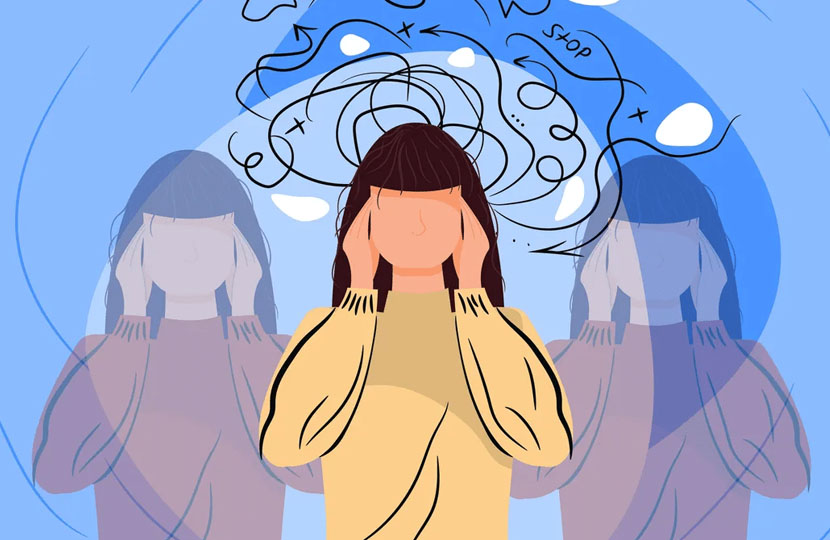
Emotional Regulation and BPD
Emotional Regulation and Borderline Personality Disorder (BPD): Understanding the Connection. Emotional regulation is the ability to manage, control, and respond to emotions in healthy and balanced ways. For many people, emotions naturally rise and fall — but for individuals living with Borderline Personality Disorder (BPD), emotional experiences can feel intense, overwhelming, and difficult to control.

Depression Counselling in India
Depression is a common yet serious mental health condition that affects millions of people in India and around the world. It goes beyond feeling sad — it can cause persistent low mood, loss of interest, physical symptoms, and reduced ability to function in daily life.
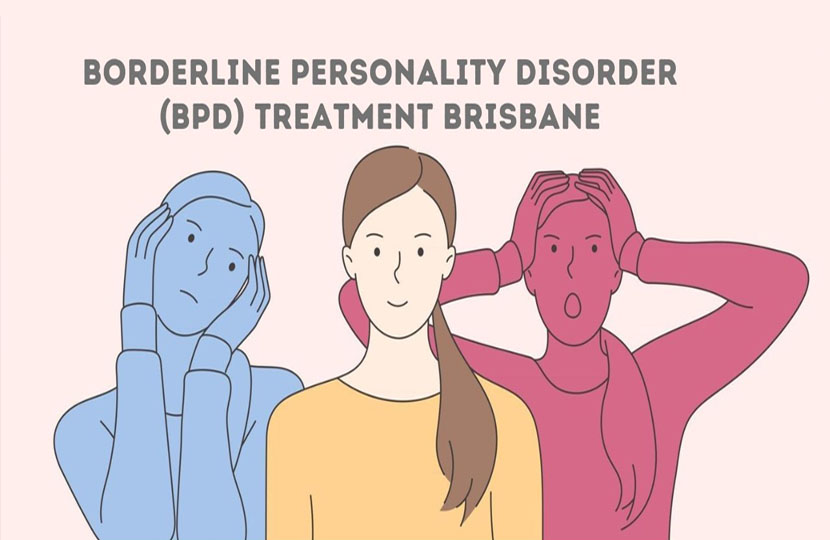
Borderline Personality Disorder Therapy
Borderline Personality Disorder (BPD) is one of the most emotionally intense and challenging mental health conditions, but it is also highly treatable. People living with BPD often face overwhelming emotions, unstable relationships, impulsive actions, and a shaky sense of self.

Chronic Fight Freeze Loop
Chronic Fight Freeze Loop In many trauma-affected or emotionally conflicted individuals, their nervous system becomes trapped in what can be described as a chronic fight–freeze loop – a state where the body simultaneously prepares for battle and immobility.
L@A