

Fear of Missing Out (FOMO)
FOMO can have significant repercussions on an individual’s personal and professional life. Constantly feeling the need to be involved in everything can lead to burnout and reduced productivity. Personal relationships may suffer as individuals prioritize social activities over meaningful connections. Financial strain is another consequence, as people may overspend on events, travel, or material goods to fit in.

Understanding ADHD Symptoms Differences
Adult ADHD Symptoms: In adults, ADHD symptoms often shift towards internalized struggles rather than overt hyperactivity. Adults may experience chronic disorganization, forgetfulness, and trouble managing time. They might procrastinate excessively, find it difficult to prioritize tasks, or feel overwhelmed by daily responsibilities. Impulsivity can manifest in risky behaviors like impulsive spending or difficulty maintaining stable relationships. Emotional dysregulation, such as frequent mood swings or frustration is common sign of adult ADHD. Adults with ADHD may also struggle with maintaining focus during long meetings or completing work projects. Unlike children, physical hyperactivity often diminishes but may be replaced by inner restlessness. These symptoms can significantly impact career growth and personal relationships.

Schizophrenia: Understanding Symptoms and Treatment
Schizophrenia is a complex mental health condition and it requires a holistic approach to care. Early diagnosis and a comprehensive treatment plan can significantly improve the quality of life for those affected.
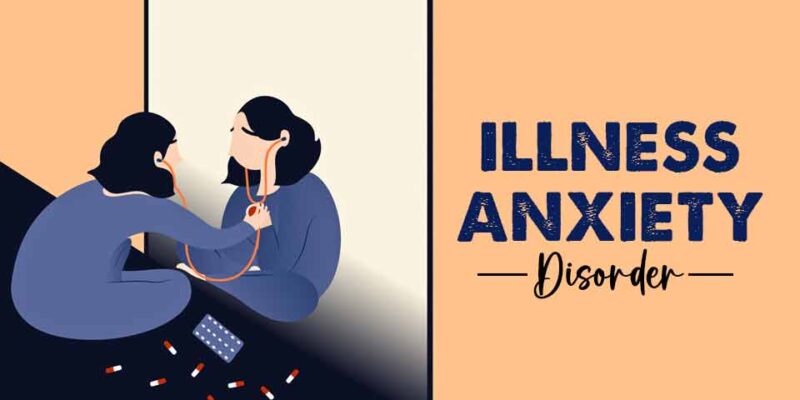
Illness Anxiety Disorder: Treatment
Illness anxiety disorder is characterized by an overwhelming fear of being seriously ill despite little or no evidence to support this belief.

Expectations in Relationship
Expectations in relationships are natural and necessary for emotional and overall growth, but expectations need to be realistic, will help in fostering harmony in any relationship. By understanding the difference between realistic and unrealistic expectations, and by adopting the realistic approach, we can build a healthy, lasting and fulfilling connection in our relationships.
Borderline Personality Disorder vs. Bipolar Affective Disorder
Understanding the distinctions between Borderline Personality Disorder and Bipolar Affective Disorder can significantly enhance treatment outcomes. While they share certain symptoms, their underlying causes, mood patterns, and treatment approaches differ. Early intervention and comprehensive care can help individuals manage these conditions effectively. For more information, visit Live Again India and explore resources on mental health and emotional well-being.

Alcohol Relapse: Learn How to Say NO This Festive Season
The festive season is about connection, joy, and gratitude – not alcohol. By learning how to say NO and sticking to your recovery plan, you can fully embrace the New Year with clarity and pride. Stay true to your goals, lean on your support system, and remember that maintaining sobriety is the greatest gift you can give yourself.
Best wishes.
L@A

Cannabis-Induced Psychosis and Treatment
Cannabis-induced psychosis (CIP) is a mental health condition triggered by the use of cannabis, especially high-THC strains. This condition is characterized with psychotic symptoms such as hallucinations, delusions and paranoia creates “disconnect” the individual from reality. While not everyone who uses cannabis develops psychosis, but certain factors can increase vulnerability like genetics or co-morbid mental health condition.

Cannabis amotivational syndrome and treatment
Motivation is the spark that ignites the fire of success, guides us through challenges and inspires us for growth. Without it, our dreams will fade into frustration, and our potential remains unrealized. However, cannabis misuse can dim our motivation and purpose with apathy and turn our ambition into stagnation. Cannabis amotivational syndrome is a serious mental health condition and it is linked to prolonged use of cannabis.
Borderline Personality Disorder Treatment
Understanding Borderline Personality Disorder Symptoms and Treatment. DBT’s structured approach equips individuals with lifelong tools to manage emotions, improve relationships, and build a more fulfilling life.
L@A