

Social Media Attention Fragmentation
Social media doesn’t just take time – it quietly breaks the mind into small, restless pieces. When your brain is trained for constant “next,” deep focus, emotional settling, and even sleep start weakening. This pattern is called Social Media Attention Fragmentation, and it can increase anxiety, irritability, and low motivation without you noticing. In this article, we’ll understand why it happens and follow a simple daily plan to rebuild attention – softly, steadily, and without self-blame.

Generalized Anxiety Disorder Help
Generalized Anxiety Disorder Help starts when you stop treating worry as “thinking” and start treating it as a nervous-system threat loop.
GAD is persistent, hard-to-control worry with tension, fatigue, poor focus, and sleep disruption—often across health, performance, and future risks.
CBT works by correcting threat predictions, reducing safety behaviours, and building tolerance for uncertainty through structured exposure and practice.
With a stable routine, sleep protection, and guided therapy, your mind regains flexibility—and life stops being organised around fear.

Emotional Numbness Causes Recovery
Emotional numbness isn’t a sign of weakness — it’s the mind’s way of saying, “I’ve carried too much for too long.” With therapy, self-awareness, and compassion, the frozen emotions begin to melt, restoring the natural rhythm of feeling and connection. Healing is not instant, but every moment of awareness is a quiet return to life.
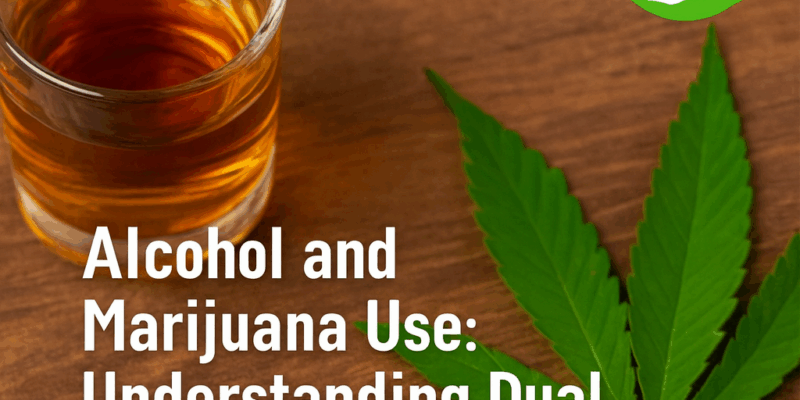
Alcohol Marijuana Addiction Recovery
Alcohol marijuana addiction recovery requires an integrated approach that addresses the brain, behavior, and family system. While alcohol withdrawal can be medically dangerous, cannabis dependence often hides behind the myth of being “harmless.” Evidence shows that combining medical supervision, psychotherapy, and family support produces the most sustainable outcomes. Recovery is not a single event but a structured process that restores stability, dignity, and long-term health.
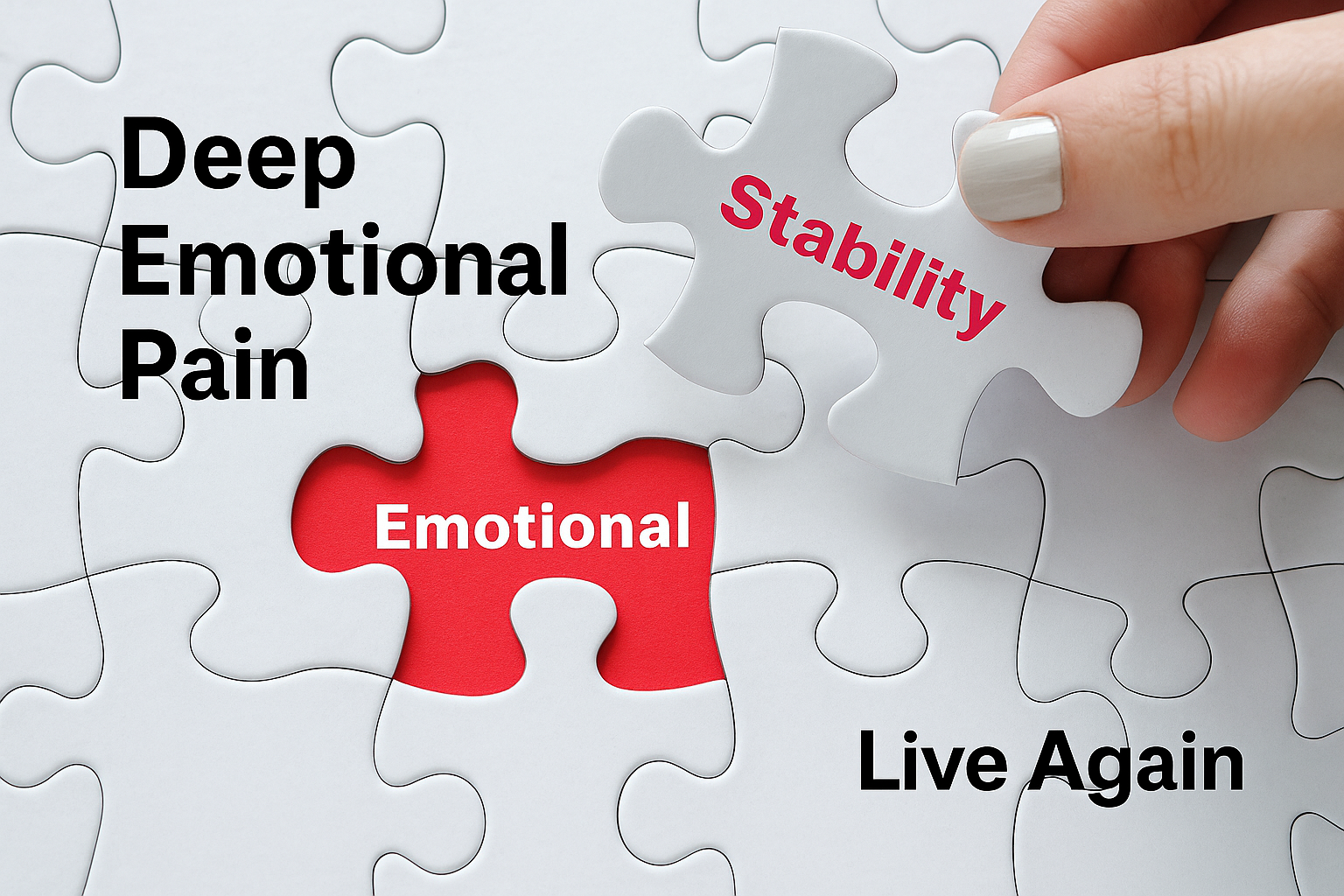
Rejection Sensitivity and BPD
This article explores the deep emotional pain of Rejection Sensitivity and BPD, rooted in early trauma and brain dysregulation. It explains how rejection triggers intense emotional responses, interpersonal struggles, and identity instability. Drawing from neuroscience and therapy insights, it highlights the overlap with ADHD and the healing path through DBT. The article offers hope, tools, and professional guidance to manage RSD and build emotional resilience.

Emotional Exhaustion vs Laziness
Emotional exhaustion isn’t just about being tired – it’s far more complex. It’s a profound depletion that affects your mental clarity, emotional resilience, and even your physical vitality. Unlike regular tiredness, this exhaustion is cumulative and often silent.
Talk to your therapist.
L@A

Emotional Suppression Consequences
Emotional suppression isn’t strength – it’s silent suffering. Your body remembers the pain your voice couldn’t express. Numbness may feel safe, but it blocks joy, love, and peace. Therapy offers a bridge back to your emotional truth. You don’t have to carry the weight alone – healing is possible. L@A

Compassion Over Willpower
Compassion changes the tone of recovery. It rewires your emotional safety. Shame isolates – self-kindness reconnects. Choose softness over struggle.
L@A

Schizophrenia and Family Care: Guide to Support
Schizophrenia is a complex mental health condition that affects both the individual and their family system. When one member of the family is diagnosed with schizophrenia, the emotional, financial, and relational dynamics of the household often shift.
L@A