

Emotional Safety Healing Support
This article explores why emotional safety is essential for mental and emotional healing. It explains how feeling safe, heard, and respected helps people open up, process pain, regulate emotions, and build healthier relationships. The piece also highlights how the absence of emotional safety can worsen anxiety, shame, exhaustion, and disconnection. Overall, it offers a simple, compassionate, and clinically grounded understanding of why healing begins with feeling safe enough to be real.

Grief Healing After Loss
Acute grief reactions can follow any deep attachment loss—death, breakup, or sudden separation—and the mind–body may respond with shock, numbness, waves of sadness, and disturbed sleep.
This is usually a normal early grief process, not a disorder, and the goal is stabilisation: routine, rest, nourishment, and one safe connection each day.
Avoidance, self-blame loops, late-night scrolling, and substances may numb briefly but often intensify grief by worsening sleep and emotional control.
With practical coping tools and timely therapy support when impairment persists, most people regain functioning and carry the loss with less pain over time.

How to Stop Overthinking
Overthinking is the mind trying to earn certainty in a world that cannot promise it. The exit is not force. The exit is skill: containment, direction, and state regulation. When you separate action from acceptance, reduce reassurance rituals, and choose one next step at a time, the mind learns a quieter rule: not every thought deserves a meeting.
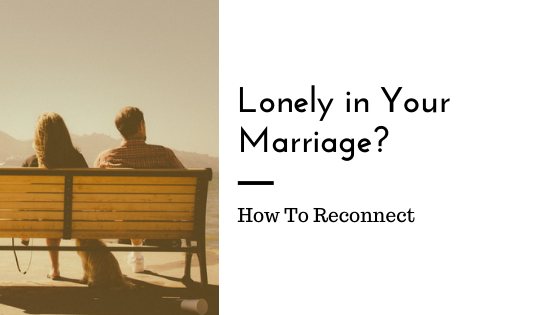
Emotional Loneliness in Marriage
A therapist helps identify silent emotional gaps in your relationship. They guide both partners toward safe, honest expression and healing. With expert support, couples learn to rebuild trust and emotional connection.
Therapy becomes the space where understanding replaces loneliness.
L@A
Healing Is Not Linear
Each painful emotion activates neural memory — but also invites new meaning.
A relapse doesn’t erase your growth; it highlights where care still belongs. Silence isn’t a void; it’s a sacred pause where integration begins. Healing is not linear because the mind heals in spirals, not in straight lines. What feels like failure is often a threshold to deeper self-awareness.
Borderline Personality Disorder vs. Bipolar Affective Disorder
Understanding the distinctions between Borderline Personality Disorder and Bipolar Affective Disorder can significantly enhance treatment outcomes. While they share certain symptoms, their underlying causes, mood patterns, and treatment approaches differ. Early intervention and comprehensive care can help individuals manage these conditions effectively. For more information, visit Live Again India and explore resources on mental health and emotional well-being.
L@A