

Self Abandonment and Self Discipline
Self-abandonment often begins quietly, when you keep ignoring your needs, emotions, limits, and inner truth to maintain peace, attachment, or approval.
Healthy self-discipline is not punishment; it is the gentle strength to return to yourself through sleep, routine, boundaries, honesty, and emotionally responsible choices.
When you stop leaving yourself behind, your mind becomes clearer, your relationships become healthier, and your life starts feeling more grounded from within.
Healing begins not with perfection, but with one daily decision to treat yourself as someone you must not abandon again.

Transformed Pain into Grace | Therapist in Delhi
A therapist becomes your mirror — helping you witness your pain without drowning in it. Through empathy, skill, and gentle structure, therapy helps you translate chaos into clarity, vulnerability into strength, and grief into gratitude. In that sacred space, you truly experience Transformed Pain into Grace.
Ego Defense Mechanism Types
Ego defense mechanisms are unconscious or conscious strategies the mind uses to protect itself from emotional distress, inner conflict, or perceived threats. While they can be adaptive in short-term situations, over-reliance can distort reality, strain relationships, and limit personal growth. Understanding their meaning, neuroscience, and real-life examples allows individuals to recognize patterns and choose healthier coping strategies. Therapy helps in replacing rigid defenses with flexible, conscious responses that promote emotional resilience.
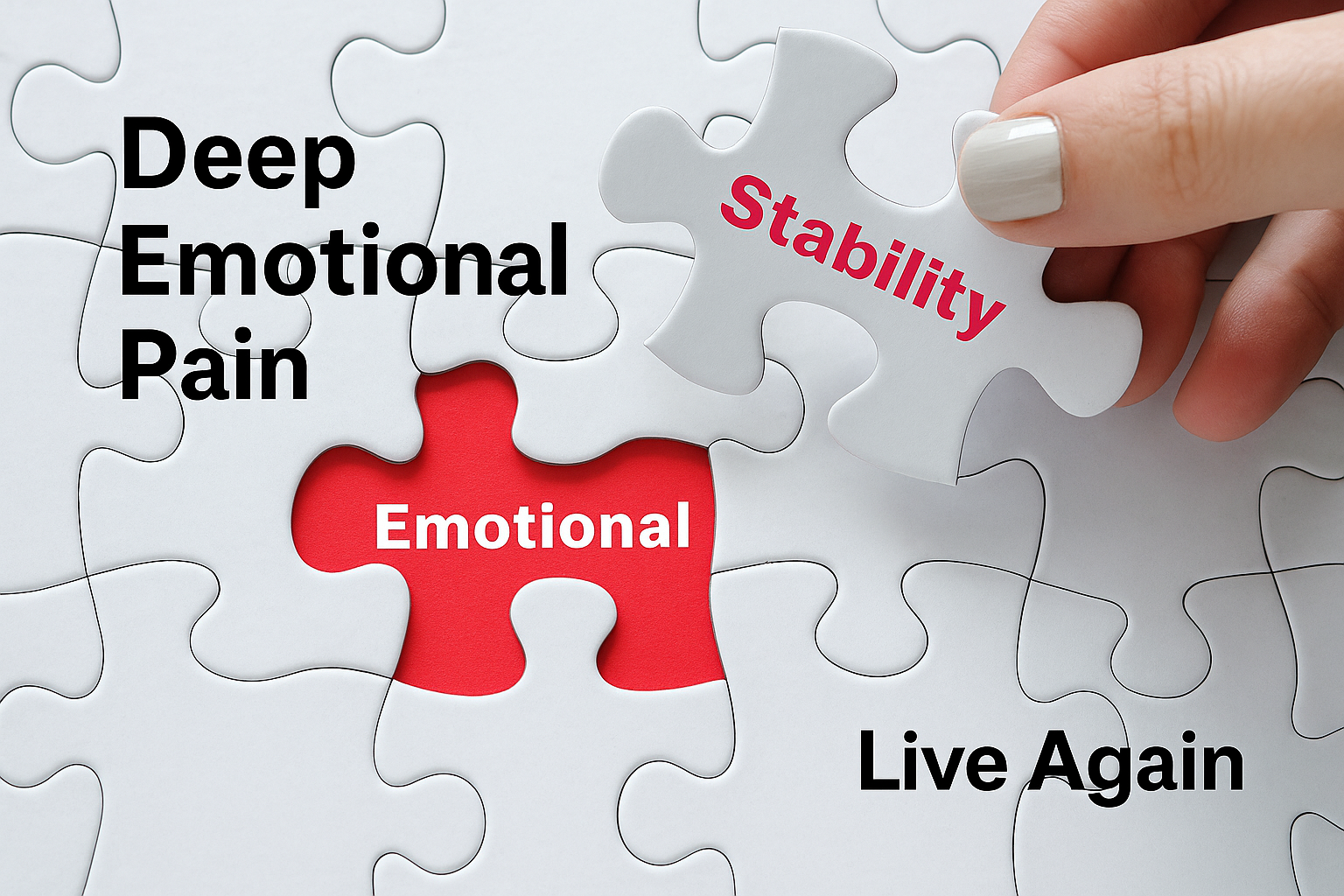
Rejection Sensitivity and BPD
This article explores the deep emotional pain of Rejection Sensitivity and BPD, rooted in early trauma and brain dysregulation. It explains how rejection triggers intense emotional responses, interpersonal struggles, and identity instability. Drawing from neuroscience and therapy insights, it highlights the overlap with ADHD and the healing path through DBT. The article offers hope, tools, and professional guidance to manage RSD and build emotional resilience.

Emotional Numbness Inner Peace – Know the Difference
Emotional numbness and inner peace may appear similar but stem from opposite psychological states.
Numbness is a protective freeze; peace is a regulated calm. This article helps identify the signs, causes, and risks of each. Therapeutic guidance is offered to support emotional reconnection.

Managing Fear Of Abandonment
Written with clinical precision and deep compassion, this article blends psychological insight with human understanding. Rooted in over 18 years of therapeutic experience, it reflects real-life struggles and healing journeys.
Every section is designed to guide individuals with BPD toward trust, self-worth, and emotional clarity. Crafted by Live Again India Mental Wellness, where science meets empathy to help you live again.
L@A

Self Compassion and Healing
“Enhance your emotional well-being with expert insights on self-compassion and healing. Learn actionable steps to embrace patience, acceptance, and inner strength. Our therapeutic approach guides you through personal growth and emotional recovery. Start your healing journey with Live Again India today.”
L@A

Self-Worth and Independence
“Explore expert insights and tips on enhancing emotional resilience and self-worth after facing setbacks in life. Learn actionable strategies to reclaim your independence, rebuild self-esteem, and navigate failure with a compassionate mindset. Practical advice tailored to help you thrive despite challenges. Empower yourself to turn adversity into strength.” L@A

Healing from Betrayal
When betrayal occurs, the person who has been hurt may constantly seek reassurance from their partner, needing them to prove their loyalty over and over again. While this behavior can feel necessary for emotional relief, it often leads to further dissatisfaction and frustration, creating a vicious cycle. This cycle not only strains the relationship but also negatively impacts the family dynamic, especially if children are involved, as they can sense the tension and anxiety in the household.
L@A
Denial, Rationalization, and Blaming: The Biggest Enemy
Denial rationalization and blaming can be transformed. You are not broken—you are awakening. We walk with you through confusion, clarity, and choice. Welcome back—to your healing. L@A
L@A