

Gen-Z: Video Gaming and Mental Health
For Generation Z, video games are more than just a form of entertainment – they are a part of daily life. While gaming can provide benefits such as improved problem-solving skills, coordination, and even social interaction in a digital context, it is crucial to balance these benefits.
Obsessive compulsive disorder: treatment and recovery
Obsessive-Compulsive Disorder (OCD) is a mental health condition characterized by intrusive thoughts (obsessions) and repetitive behaviors (compulsions). These thoughts and actions can significantly disrupt daily life and cause immense distress.
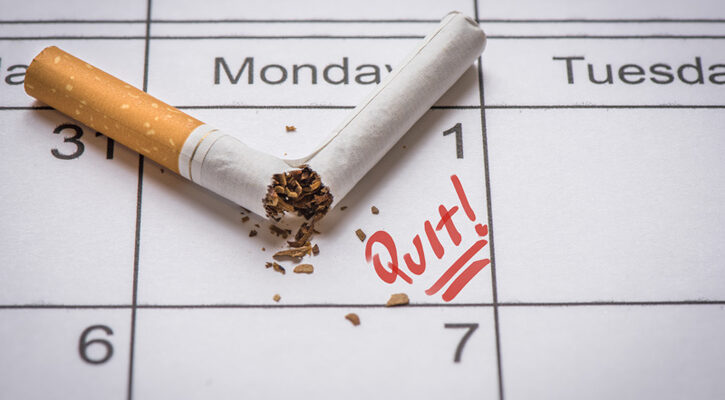
Nicotine dependence and mental health
Nicotine dependence is a condition where a person becomes reliant on nicotine, typically from smoking or use of tobacco products. The dependence creates strong craving and urges to use nicotine to feel normal or relaxed. Over time, the body and brain adjust to regular nicotine intake, leads to increase tolerance and strong withdrawal symptoms like irritability, anxiety, and difficulty concentrating when not consuming it.

Narcissistic Personality Disorder and Children’s Mental Health
Narcissistic Personality Disorder (NPD) is characterized by a pervasive pattern of grandiosity (in fantasy or behavior), a constant need for admiration, and a lack of empathy for others. People with NPD often have an inflated sense of their own importance, an have excessive craving for attention and admiration, and difficulty understanding or caring about the feeling of others.
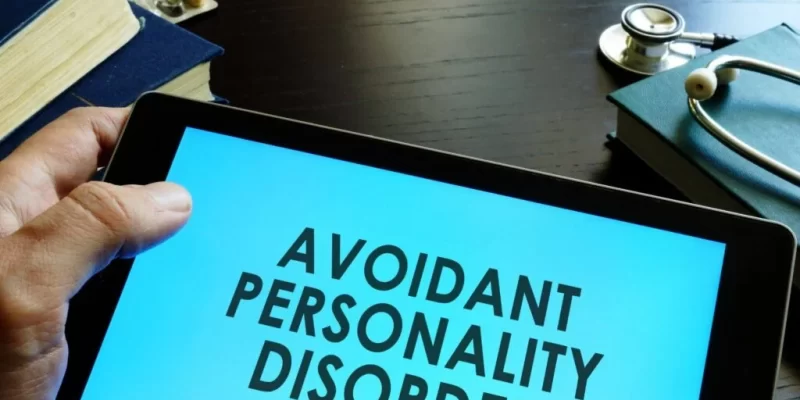
Anxious Avoidant Personality Disorder Symptoms and Treatment
Understanding Anxious Avoidant Personality symptoms and treatment
चिंताग्रस्त परिहार व्यक्तित्व: लक्षण, प्रभाव और उपचार

Emotional Pain: Substance Use and Self-Harm
When substance use and self-harm occur together, the risks for individuals are compounded. Both behaviors can lead to physical harm, social isolation, and worsening mental health. The combination of self-harm and substance use also significantly increases the risk of suicide, as both behaviors indicate a deep level of distress and emotional turmoil.
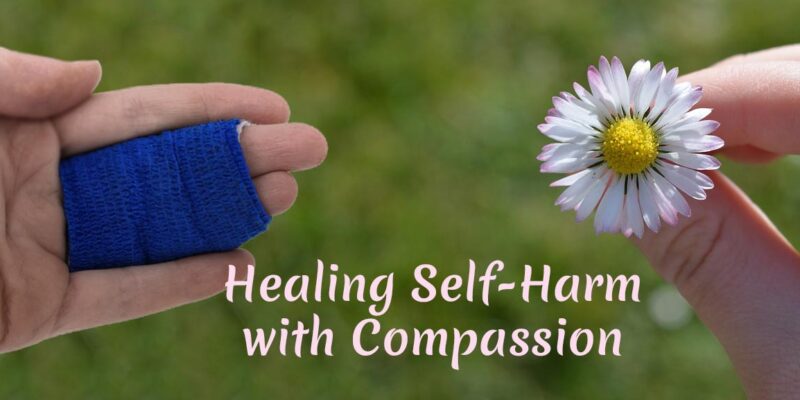
Self-Harm : Why People do Self-Injury?
Self-harm may provides short-term relief, it often leads to long-term negative consequences, both physically and emotionally. It can deepen feelings of shame, isolation, and guilt, leads to the vicious cycle that is difficult to break without support.

Sleep deprivation and mental health
Healthy sleep plays a important role in the physical ability to recover and regenerate. During sleep, essential processes occur, including tissue repair, muscle growth, and the release of hormones that regulate appetite, stress, and growth. Deep sleep in particular is important for immune system function, allow the body to fight off infections more efficiently. Consistent, quality sleep is also linked to cardiovascular health.

Resilience: Learned Helplessness and Denial
Resilience is a ability to bounce back from adversity to adapt, manage and recover from the phase of challenging life situations. It is a quality that empowers us to stand comfortable, persevered, and continues move forward in life.

Healthy Relationship: Family and Couple Counseling
Relationship is like tending a garden. It requires attention, patience, and care. If you nurture it well, it will blossom into something far beyond what you could have imagined.
L@A